Educational: Creative Hands of Egypt - Weaving, Pottery and Imagination (8 Days)

Overview
This unique 8-day program is designed for students with a strong interest in creative arts, especially textile design, weaving, ceramics and hands-on cultural learning. It brings together two of Egypt’s most inspiring living art traditions: the tapestry-weaving legacy of the Ramses Wissa Wassef Art Center in Harrania and the pottery culture of Tunis Village in Fayoum Oasis.
At the heart of the journey is a powerful educational idea: children and young people are naturally creative when they are given time, materials, trust and freedom. From the 1950s onward, Ramses Wissa Wassef developed an approach that encouraged children to weave directly from imagination rather than copy set designs. Decades later in Tunis Village, Evelyne Porret’s pottery school helped local children discover creative confidence, practical skill and a sustainable artistic livelihood through clay.
Designed for school groups, art departments, educators and students who are curious about creative process, craft heritage, cultural identity and experiential learning. The program is especially suitable for students interested in visual art, design, ceramics, textiles, architecture, heritage studies and community-based creativity.
Program structure
- Day 1: Arrival in Cairo, orientation and introduction to Egypt’s creative heritage, with a briefing on the philosophy of learning through making.
- Days 2–4: Three-day weaving residency at the Ramses Wissa Wassef Art Center, where students learn the fundamentals of loom-based weaving and work toward completing a small personal woven piece.
- Day 5: Travel from Cairo to Fayoum Oasis, exploring the landscape, history and cultural setting that shaped Tunis Village’s artistic identity.
- Days 6–7: Pottery workshops at the Evelyne Porret pottery school in Tunis Village, where students experiment with hand-building, shaping, decorating and understanding clay as a local material.
- Day 8: Reflection, informal exhibition, group discussion and departure, allowing students to present their woven and ceramic pieces and connect their learning to creative practice at school.
Learning outcomes
- Students gain first-hand experience in two traditional yet living art forms: tapestry weaving and pottery.
- Students understand how creativity can be nurtured through freedom, patience, observation and trust rather than imitation.
- Students connect art-making with place, landscape, architecture, community and cultural heritage.
- Educators gain a model for experiential, cross-curricular learning that combines art, history, design, sustainability and personal development.
More than an art trip, this is a creative education journey. It invites students to use their hands, trust their imagination and see how a legacy that began with children in the mid-20th century continues to shape artists, families and communities in Egypt today.
Gallery


Itinerary
Arrival in Cairo and creative orientation
Students arrive in Cairo and settle into the program with an introductory session on Egypt’s living craft traditions.
The group is introduced to the central theme of the journey: how creativity develops when young people are trusted to explore materials, imagination and place.
Evening welcome discussion for students, educators and accompanying administrators.
Dependent on time of arrival, optional tours can be arranged.
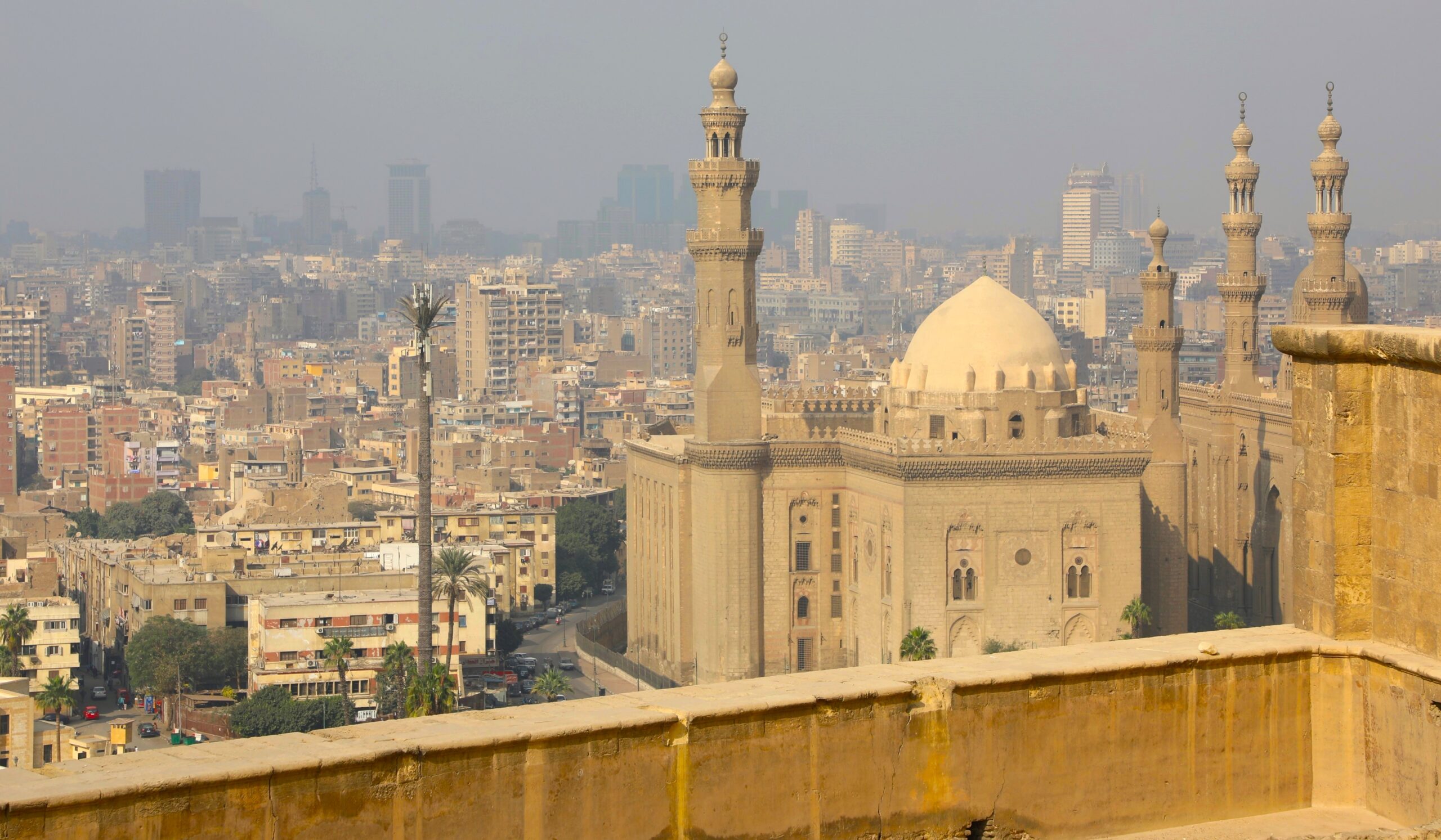 View Of Cairo From The Citadel
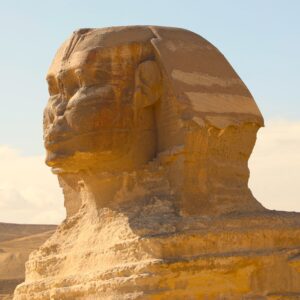
 The Great Pyramids At Giza
Ramses Wissa Wassef Art Center — introduction to weaving
Visit the Ramses Wissa Wassef Art Center in Harrania, near Giza.
Students tour the centre, learn about its mud-brick architecture and its pioneering approach to child creativity, then begin their own small weaving project.
The focus is on observation, colour, texture and working directly from imagination rather than copying a fixed design.
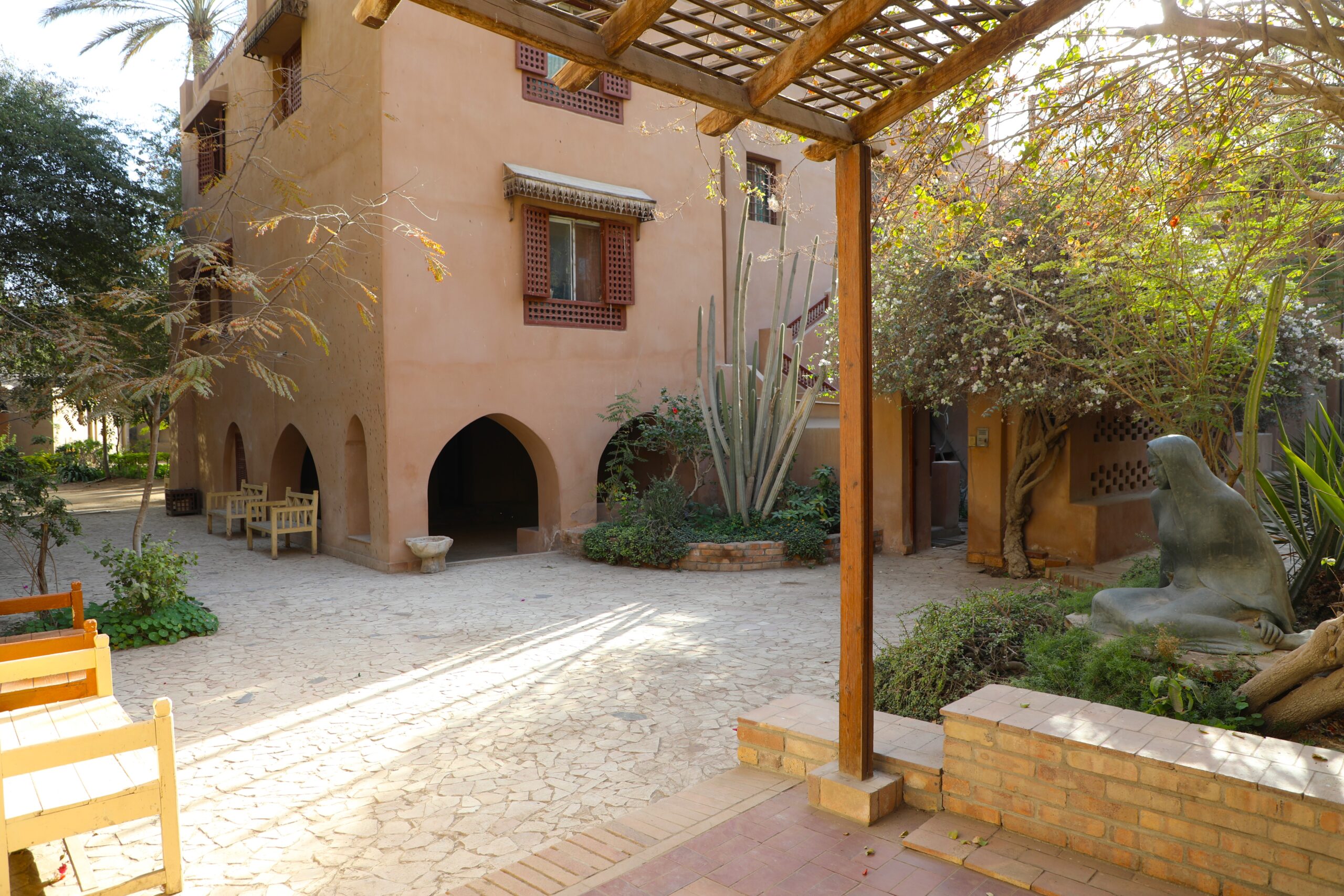 Ramses Wissa Wassef Art Center
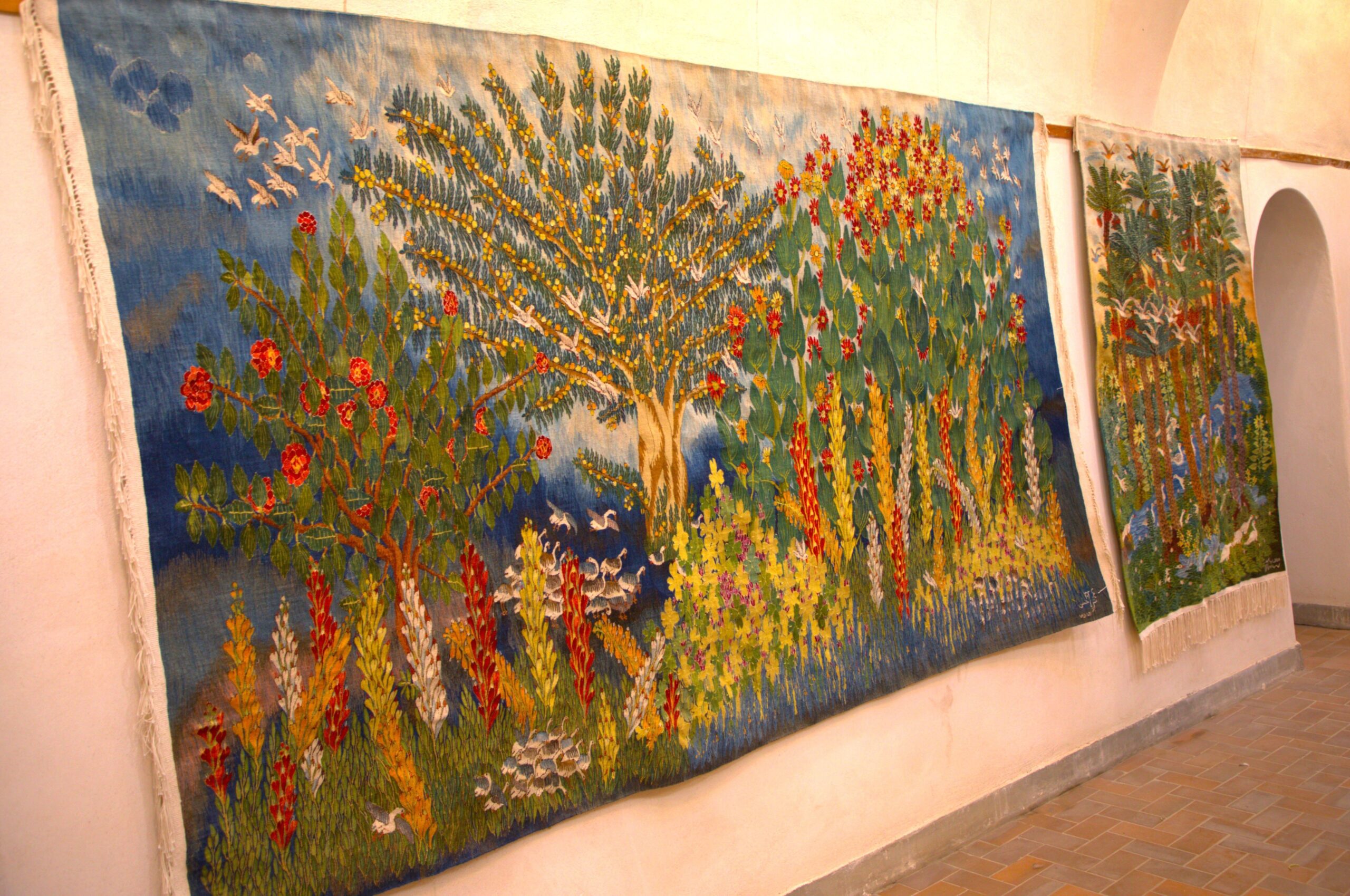 Magnificent Weaves
Ramses Wissa Wassef Art Center — developing the woven piece
Students continue their weaving under guidance, learning patience, rhythm, decision-making and the discipline of slow making.
Educators can observe how a workshop environment can support confidence, independence and creative risk-taking. The day may also include time to view completed tapestries and discuss the relationship between craft, storytelling and landscape.
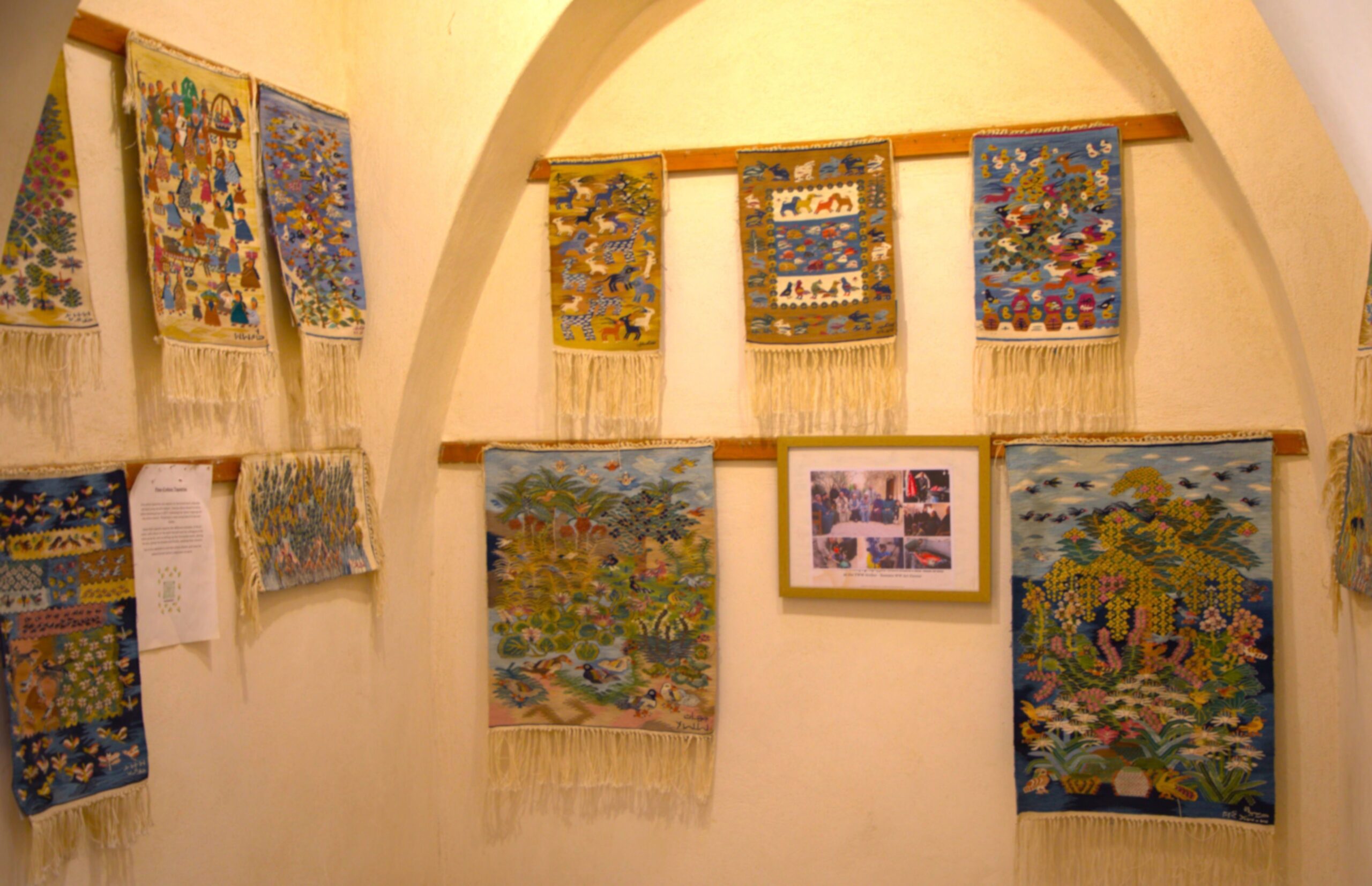 Exhibits Of Children's Weaves
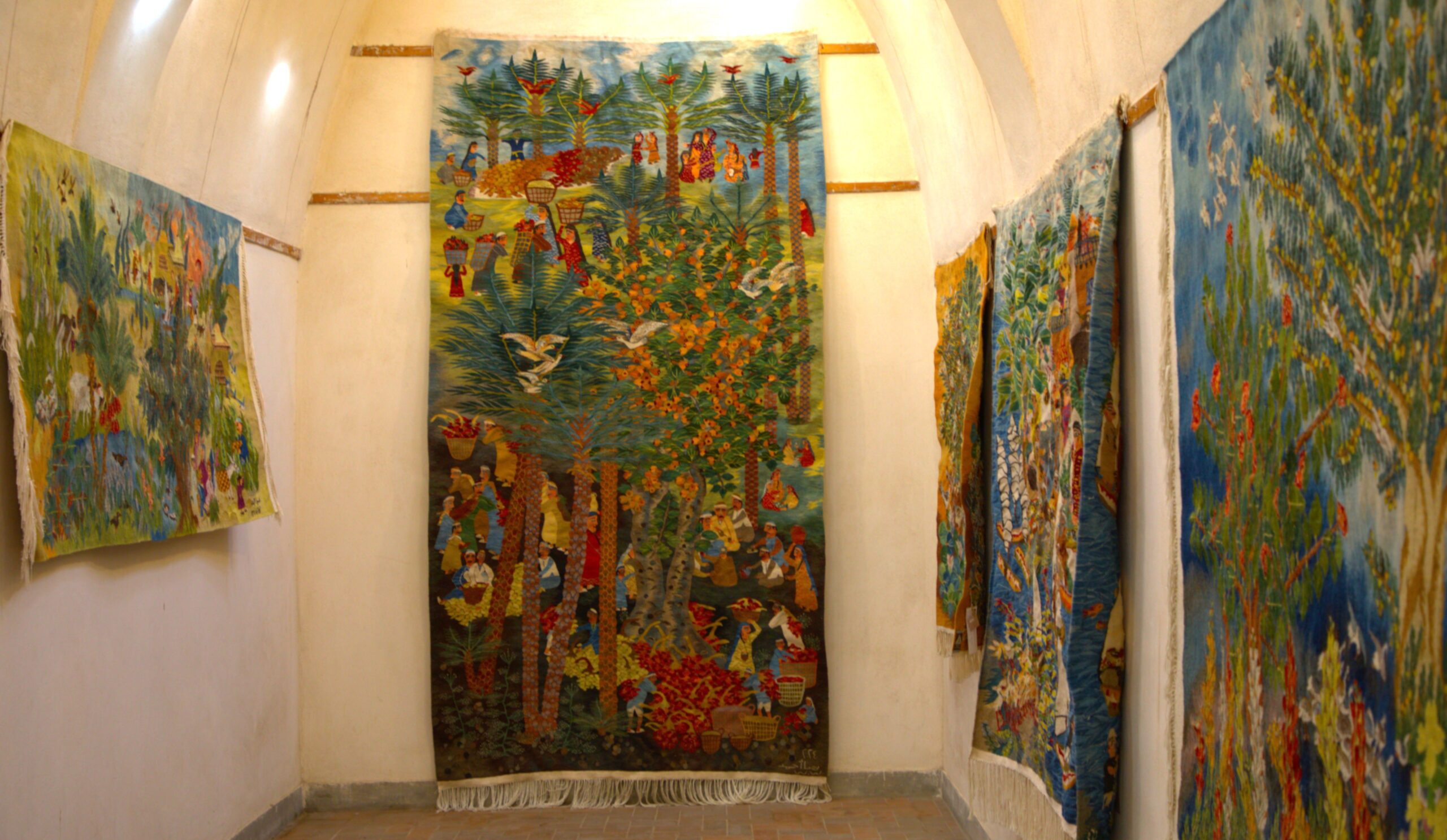 Lessons For All Levels
Ramses Wissa Wassef Art Center — completing and reflecting
Students work toward completing a small personal woven piece. The afternoon is dedicated to reflection: What did they discover about colour, patience, imagination and working by hand?
The group connects the experience to wider themes of education, heritage, sustainability and creative confidence.
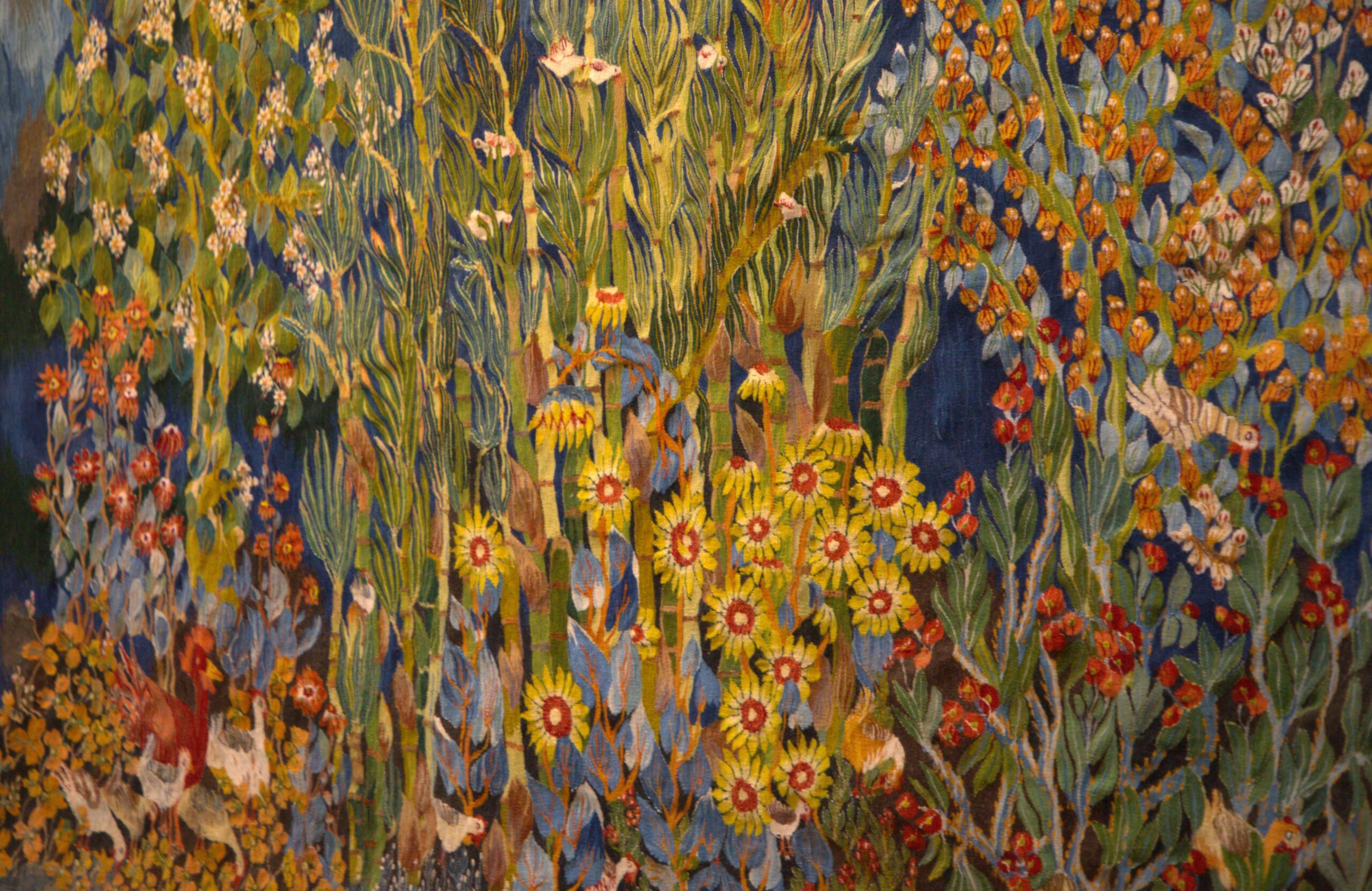 A Unique Model Of Learning
 Weaves Sought By Collectors Worldwide
Cairo to Fayoum Oasis — Lake Qarun and Tunis Village
Travel to Fayoum Oasis, a landscape of fertile fields, desert edges, lakes and village life.
On arrival, students visit Lake Qarun for an introduction to the oasis environment and its birdlife, then continue to Tunis Village, known for its pottery culture, calm rural setting and artistic community.
The day ends with an orientation to clay as a local material and a discussion of the historical link between the Ramses Wissa Wassef approach and the pottery school founded by Evelyne Porret.
 Magic Lake
 Pottery Street Display In Fayoum
Tunis Village — pottery workshop and village exploration
Students begin their pottery experience at the Evelyne Porret pottery school, learning basic hand-building, shaping and surface decoration.
The workshop introduces clay as both an artistic medium and a connection to local landscape and community.
In the afternoon, students explore Tunis Village, visiting local studios or craft spaces where appropriate, and reflect on how a village can become a centre for artistic identity and livelihood.
 Tunis Vilage The Epicentre Of Pottery In Egypt
 Clay Pottery In Artisan Workshop
Wadi El Rayan, Magic Lake and continued pottery
The day combines nature, landscape and making. Students visit Wadi El Rayan, known for its desert lakes, waterfalls, dunes and dramatic views.
Depending on timing and age suitability, the excursion may include a stop at Magic Lake or a viewpoint for sketching, photography and landscape observation.
The group then returns to Tunis Village to continue or finish pottery pieces, linking forms, colours and textures to what they observed in the desert environment.
 Lake Quran
 Artisans Pottery
 Glazed Pottery In The Workshop
Wadi El Hitan or Qasr Qarun, student exhibition and departure
Subject to travel time and group interests, the final Fayoum morning may include Wadi El Hitan, the UNESCO-listed Valley of the Whales, where fossil remains reveal a prehistoric marine landscape, or Qasr Qarun, a temple site connected to Fayoum’s ancient history.
The program closes with an informal student exhibition and reflection circle, allowing students to present their weaving and pottery pieces and explain how the journey changed their understanding of creativity, craft and place.
 Stunning Landscapes Lake Fayoum
 Wadi El Rayyan
 Wadi El Haitan Prehistoric Whale Cemetry
Inclusions
- Pick up and return from your hotel in your private vehicle
- 7 nights accommodation at 5 star deluxe hotels
- Breakfast, lunch and dinner each day
- All entrance fees, service charge, current taxes, and vat.
- Services of an English-speaking guide
Exclusions
- Personal expenditure of any kind
- Tips
- Alcoholic drinks and extra meals
Video
FAQ's
Q1. Are students grouped according to age?
Answer: Yes. To ensure the program is age-appropriate, supportive and engaging, students participate in one of two groups:
- High school students aged 14 to 17 years
- College and university students aged 18 to 23 years
Q2. Do students aged 14 to 17 years need to be accompanied by a teacher, parent or guardian?
Answer: Yes. As part of our duty of care, students aged 14 to 17 years must be accompanied by an adult nominated by the school or institution. In most cases, this is a teacher or school-appointed staff member who acts as the lead contact and supports the management of the student group throughout the program.
Q3. Do college and university students aged 18 to 23 years need to be accompanied by a teacher, parent or guardian?
Answer: No. College and university students are not required to be accompanied by a teacher, parent or guardian. However, One Horizon requires a nominated point of contact for the group to support communication, coordination and liaison throughout the program.
Q4. Where do students and accompanying staff stay during their program?
Answer: Students and accompanying staff stay in 4- to 5-star international hotel accommodation for the duration of the program. The first two days of the program are conducted at the hotel, providing a comfortable and well-supported environment for orientation, learning and preparation. Accommodation is arranged on a twin-share basis.
Q5. How are students transported to community visits and program activities?
Answer: Students are transported in private, air-conditioned vehicles operated by One Horizon. The facilitators delivering the program also accompany students during daily activities, providing continuity, guidance and supervision throughout the experience.
Q6. Can parents contact their child during the program?
Answer: Parent communication is managed in accordance with the policies of the participating school or institution. One Horizon also provides 24-hour contact details, including mobile numbers and email addresses, so students can be reached if required. Internet connectivity is available at program venues and in the vehicles used to transport students and staff.
Q7. What meals are provided during the five-day program?
Answer: One Horizon caters for a wide range of dietary requirements, including vegetarian, vegan and familiar Western-style meal options. Meals are prepared with fresh, healthy ingredients and are provided through the hotel where students and staff are staying. Evening meals also include selected well-regarded Nairobi restaurants, giving students an additional opportunity to experience the city in a safe and structured way.
Q8. Is travel and health insurance required?
Answer: Yes. Appropriate travel and health insurance is required for student participation in the program. Schools, institutions, parents and guardians should ensure that each participant has suitable coverage before travel.
Q9. Does One Horizon have public liability and professional indemnity insurance?
Answer: Yes. One Horizon maintains insurance coverage that includes public liability and professional indemnity insurance. Copies of relevant policy documentation can be provided upon request.
Q10. What distinguishes One Horizon and this experience?
Answer: Our purpose-led approach and on the ground experience, gives students meaningful insight into community development, resilience and sustainable change. One Horizon’s mission and work are captured in the video ‘What We Do’.


 One Horizon Egypt
 @onehorizonkenya
 onehorizonkenya