Educational :Egypt Through Art (4 Days)
A Student Journey of Creativity, Culture and Global Citizenship

Overview
Program overview for educators and students: This distinctive art-focused journey offers students a rare opportunity to explore Egypt through creativity, design, craftsmanship, architecture, sculpture, textiles, and museum collections. It is especially suited to visual arts, art history, design, humanities, global studies, and service-learning programs seeking an itinerary that is both academically rich and emotionally engaging.
- Learning objectives: Students will analyze how Egyptian artists across eras used materials, symbols, space, and technique to express identity, belief, community, and innovation.
- Students will compare ancient, Islamic, folk, and modern artistic traditions and connect them to contemporary questions of culture, heritage, sustainability, and creative voice.
- Students will reflect on how art can build empathy, preserve memory, challenge assumptions, and support cross-cultural understanding.
- Student takeaways: A stronger visual vocabulary, deeper appreciation for global artistic traditions, greater confidence interpreting museum collections, and a personal understanding of how creativity can serve both individual expression and community identity.
Curriculum Connections
- Visual Arts and Studio Practice: observation, sketching, portfolio development, materials, technique, composition, and creative interpretation.
- Art History and Design: ancient, Islamic, folk, and modern Egyptian artistic traditions; symbolism, pattern, ornament, sculpture, architecture, and craft.
- World History and Global Studies: cultural exchange, heritage preservation, identity, continuity, and the role of art in shaping civilizations.
- English Language Arts and Reflection: journaling, visual analysis, interpretive writing, student presentations, and comparative reflection.
- Global Citizenship and Service Learning: empathy, responsible travel, community-based creativity, sustainability, and respect for cultural heritage.
Why this program will excite art students: Instead of treating Egypt only as an ancient civilization, this itinerary reveals Egypt as a living creative landscape. Students encounter artists, makers, collections, and spaces that show how creativity moves across centuries—from sacred ornament and architectural form to contemporary sculpture and community-based weaving.
Gallery
-

A Centre Of History And Learning
-

Magnificent Artefacts From Various Islamic Periods
-
Impressive And Revealing
-

The Wissa Wassef Art Center
-

Magnificent Weaves By Local Artisans
-

Weaves Sought By Collectors Worldwide
-
View Of Gaynor Museum Garden
-
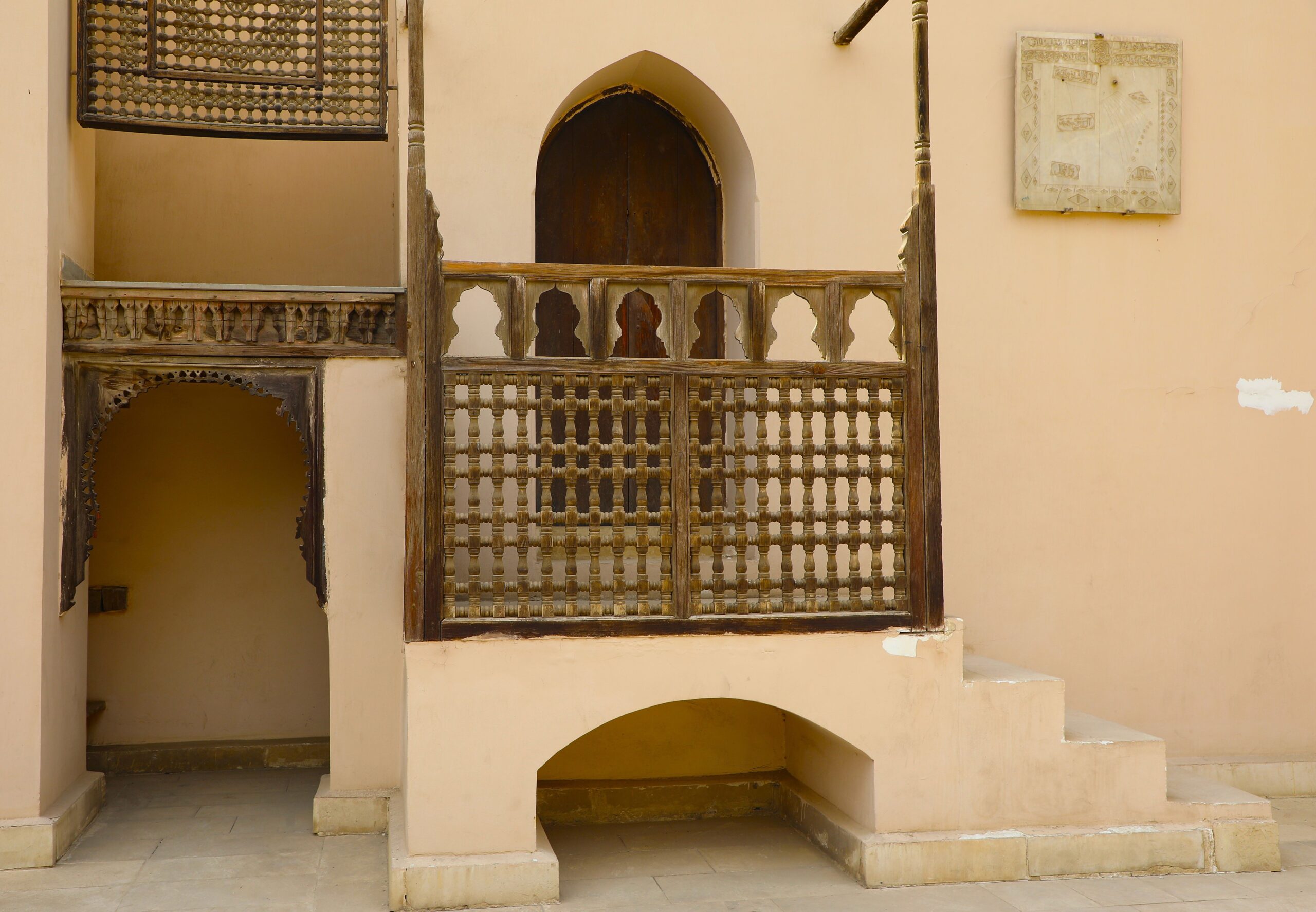
14th Century Architecture
-
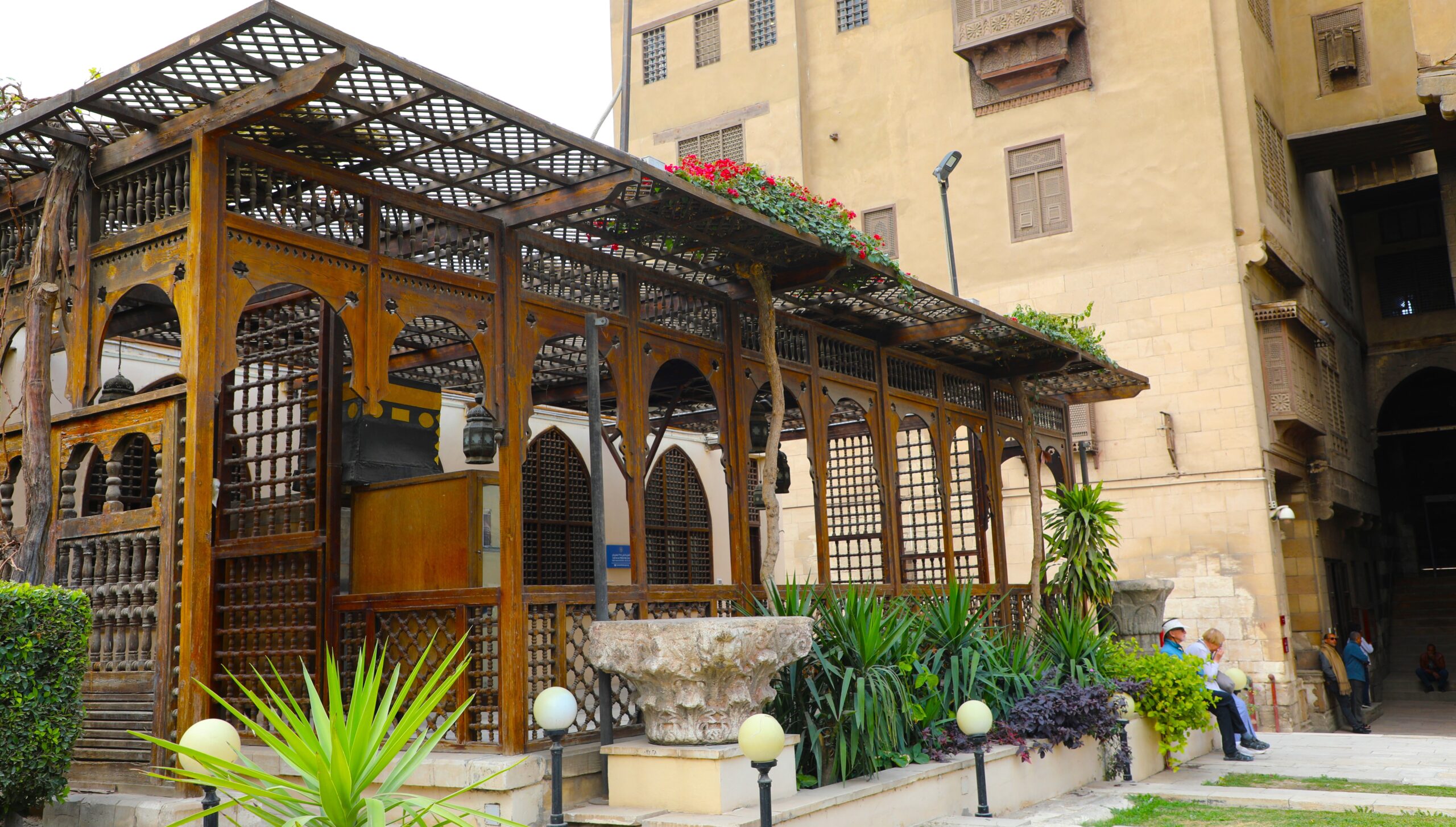
Gaynor Museum Entrance

Ancient Egyptian Research Association
One Horizon Africa is a member of AERA. AERA brings together archaeologists and specialists from around the world to address questions regarding the origin, nature, and development of the Egyptian state. By becoming a member of AERA you support the training of young Egyptian archaeologists and the survey, mapping, excavation, and the analysis of archaeological sites. We encourage everyone to become a member and support the work of AERA.
Itinerary
For students, Egypt becomes a powerful outdoor classroom: a place to examine how civilizations shape identity, how art communicates belief and social values, how faith communities preserve heritage, and how young people can develop empathy, curiosity, and a deeper sense of responsibility as citizens of a connected world.
Arrival In Cairo
On arrival, students are met by our representative and assisted through arrival formalities before transferring to the hotel for check-in and time to rest.
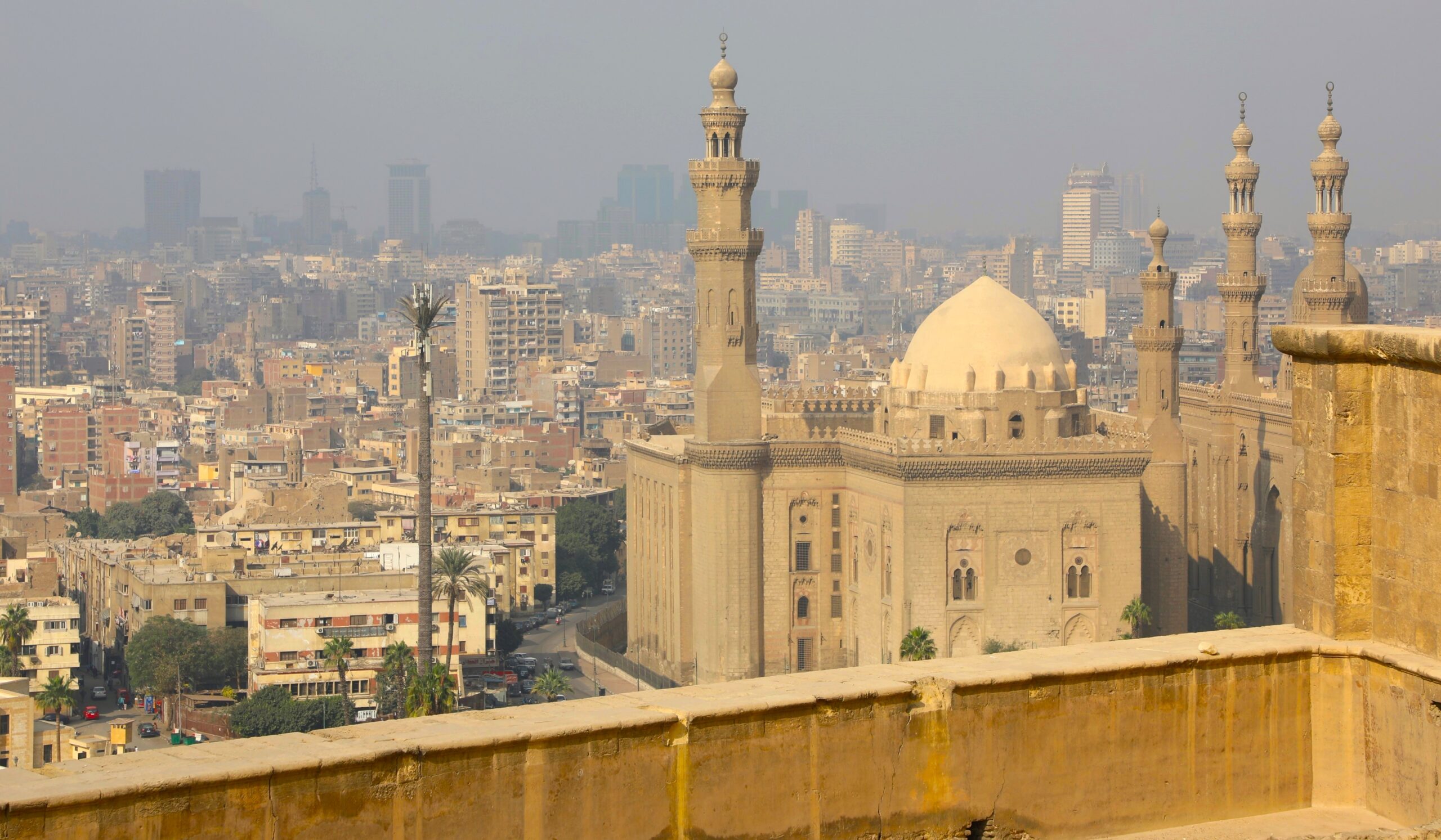 View Of Cairo From The Citadel
The Museum of Islamic Art
After breakfast, students begin their exploration of Egypt’s artistic traditions with visits to two distinctive Cairo collections.
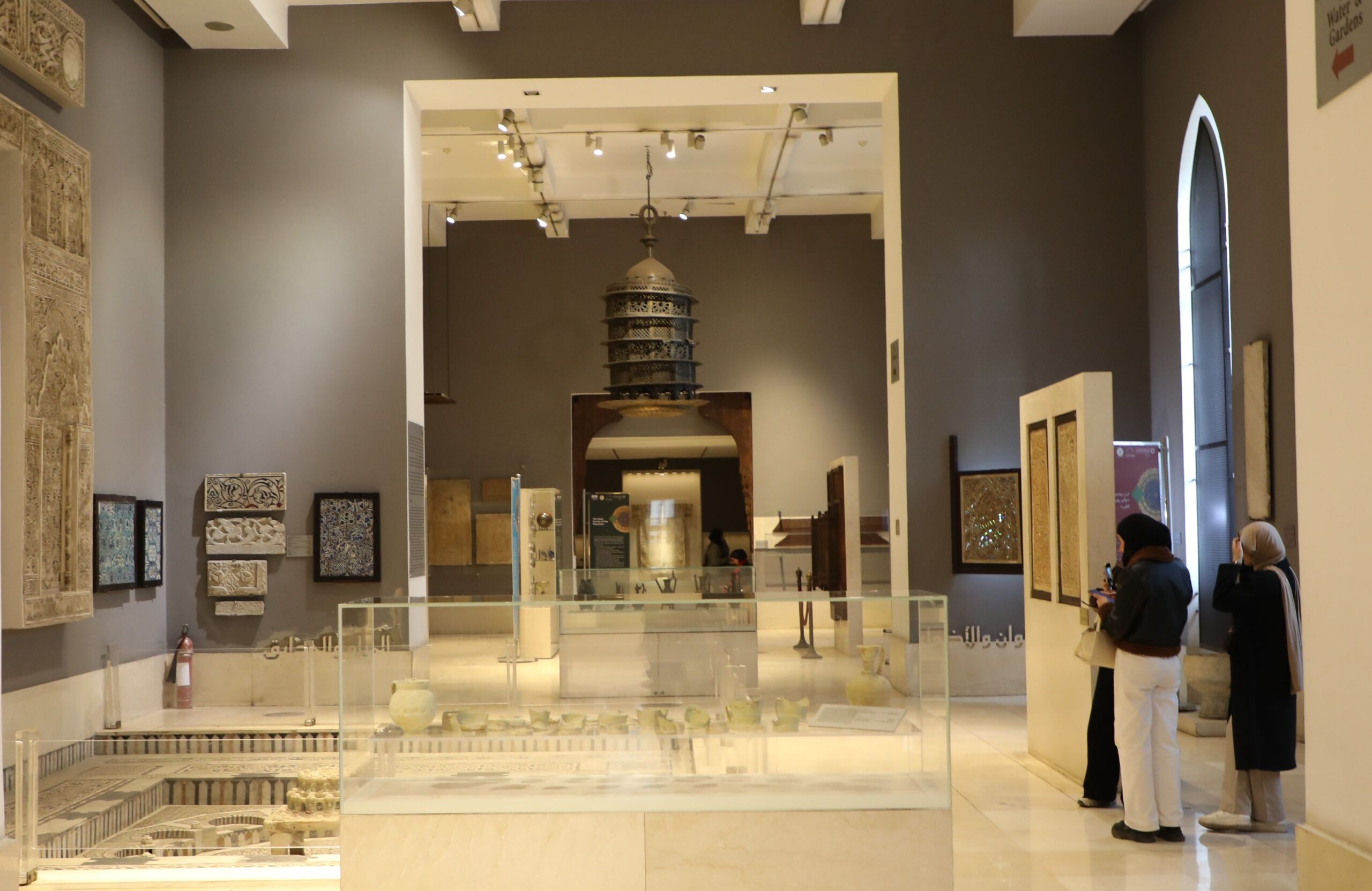
The Museum of Islamic Art introduces students to one of the world’s finest collections of Islamic creativity, with more than 100,000 objects spanning design, architecture, science, craft, and daily life.
Students examine metalwork, glass, ceramics, jewelry, textiles, carpets, manuscripts, and decorative arts while considering how beauty, function, faith, and innovation intersect across cultures.
Adam Henein Museum
The Adam Henein Museum introduces students to one of Egypt’s leading modern sculptors, whose work drew deeply from ancient Egyptian forms while speaking in a contemporary artistic language.
Through sculpture, drawings, paintings, prints, textiles, and garden installations, students consider how artists reinterpret heritage and transform historic inspiration into new creative expression.
A Centre Of History And Learning
Impressive And Revealing
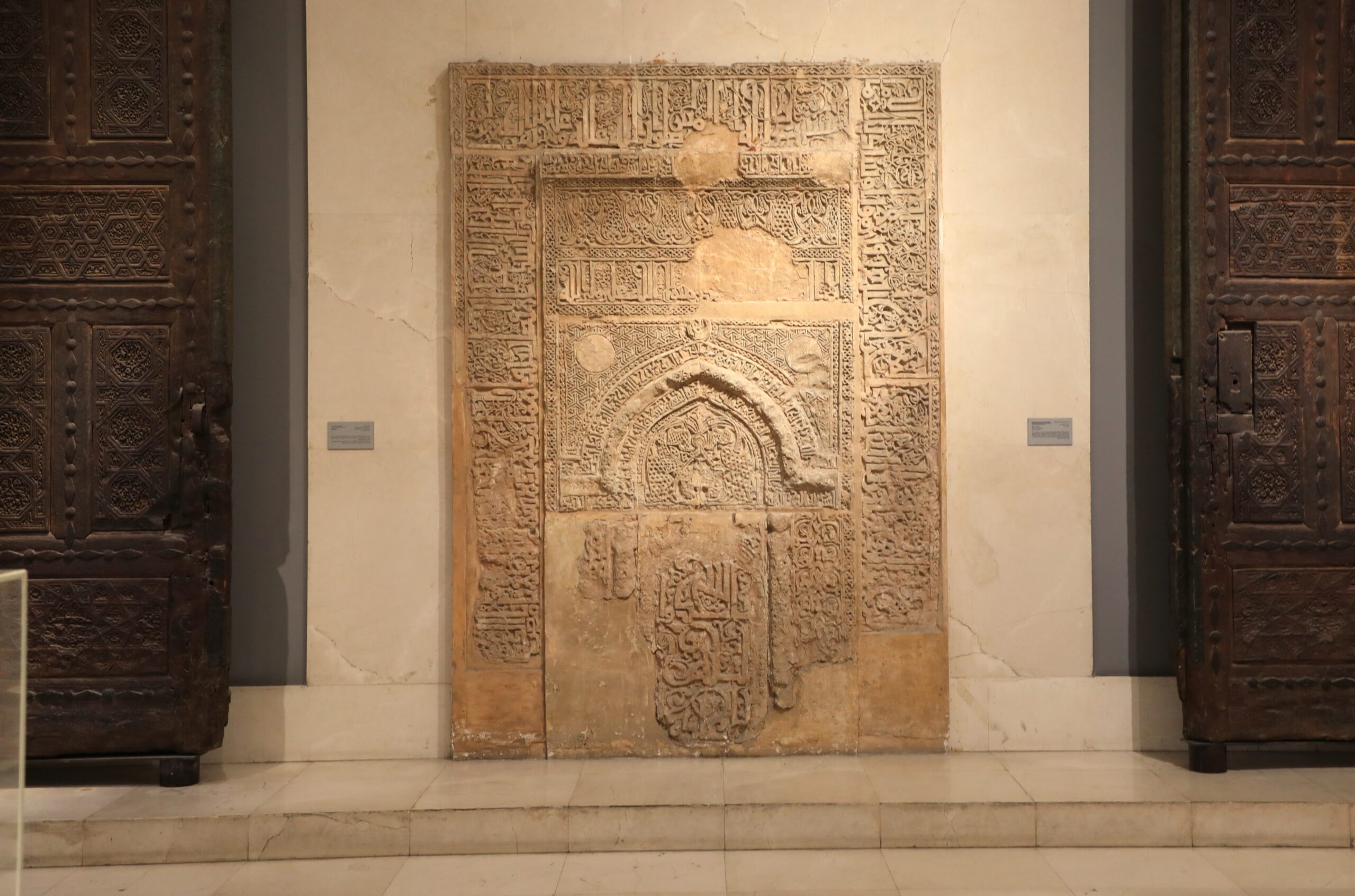 Expansive And Brilliantly Presented Artefacts
 The Late Adam Henein
 Showcasing Brilliance And Creativity
 A Sculptor Extraordinaire!
Ramses Wissa Wassef Art Center
Near the Giza pyramids, the Ramses Wissa Wassef Art Center gives students insight into a remarkable experiment in creativity, craft education, architecture, and community-based weaving.
Students explore how mud-brick architecture, handmade textiles, ceramics, and sculpture reflect Wissa Wassef’s belief in imagination, traditional materials, and the creative potential of young people.
The Gayer-Anderson Museum
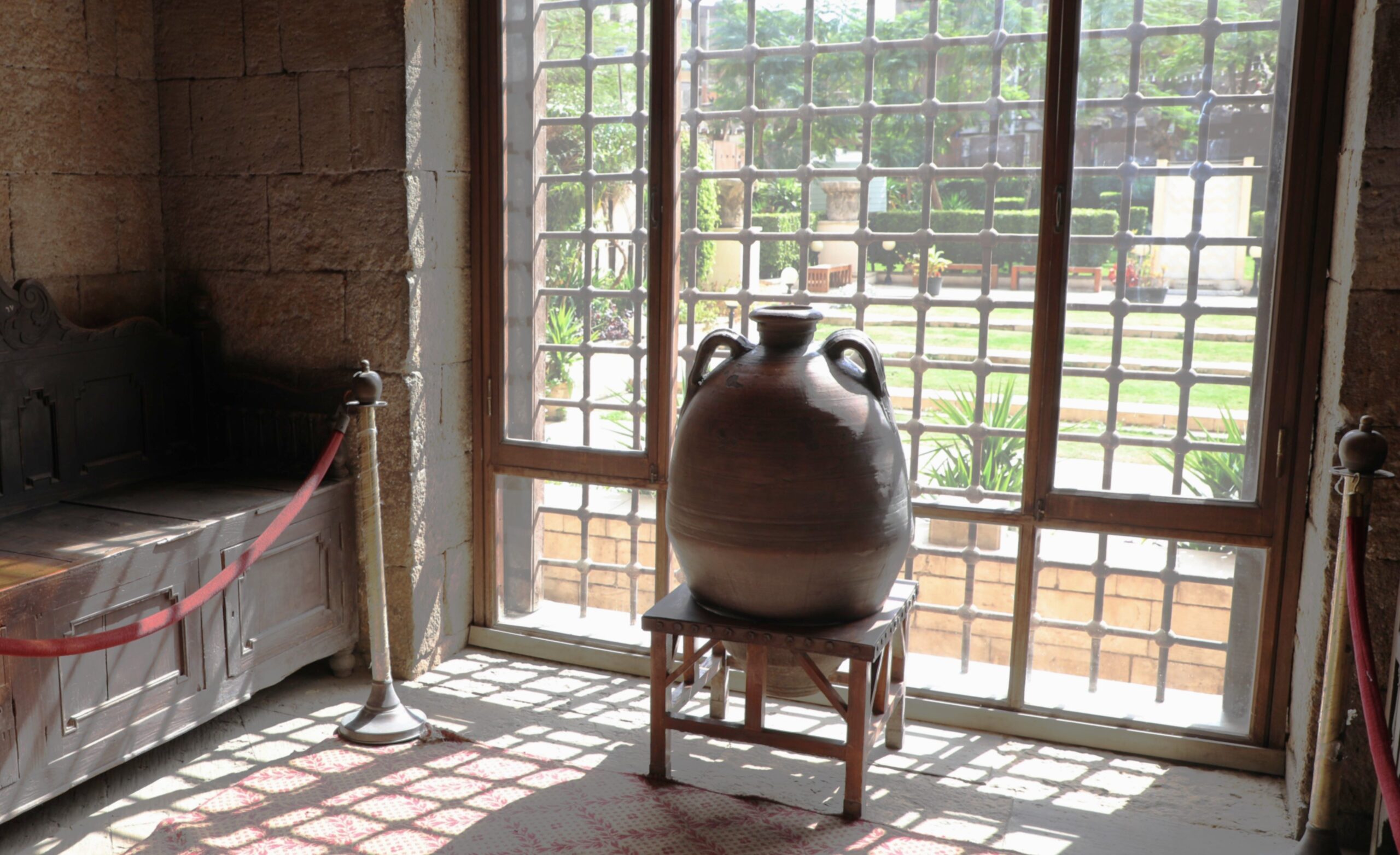
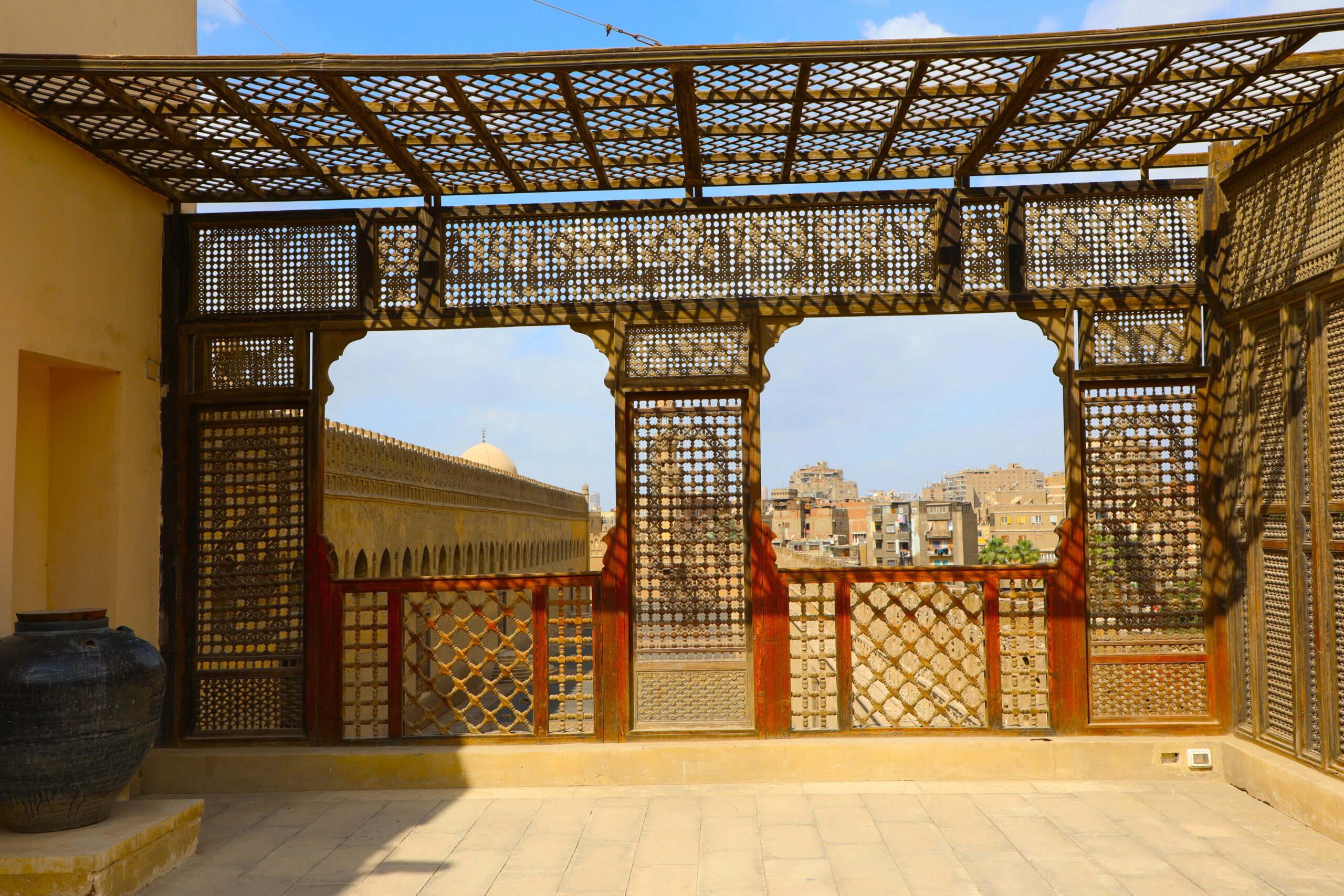
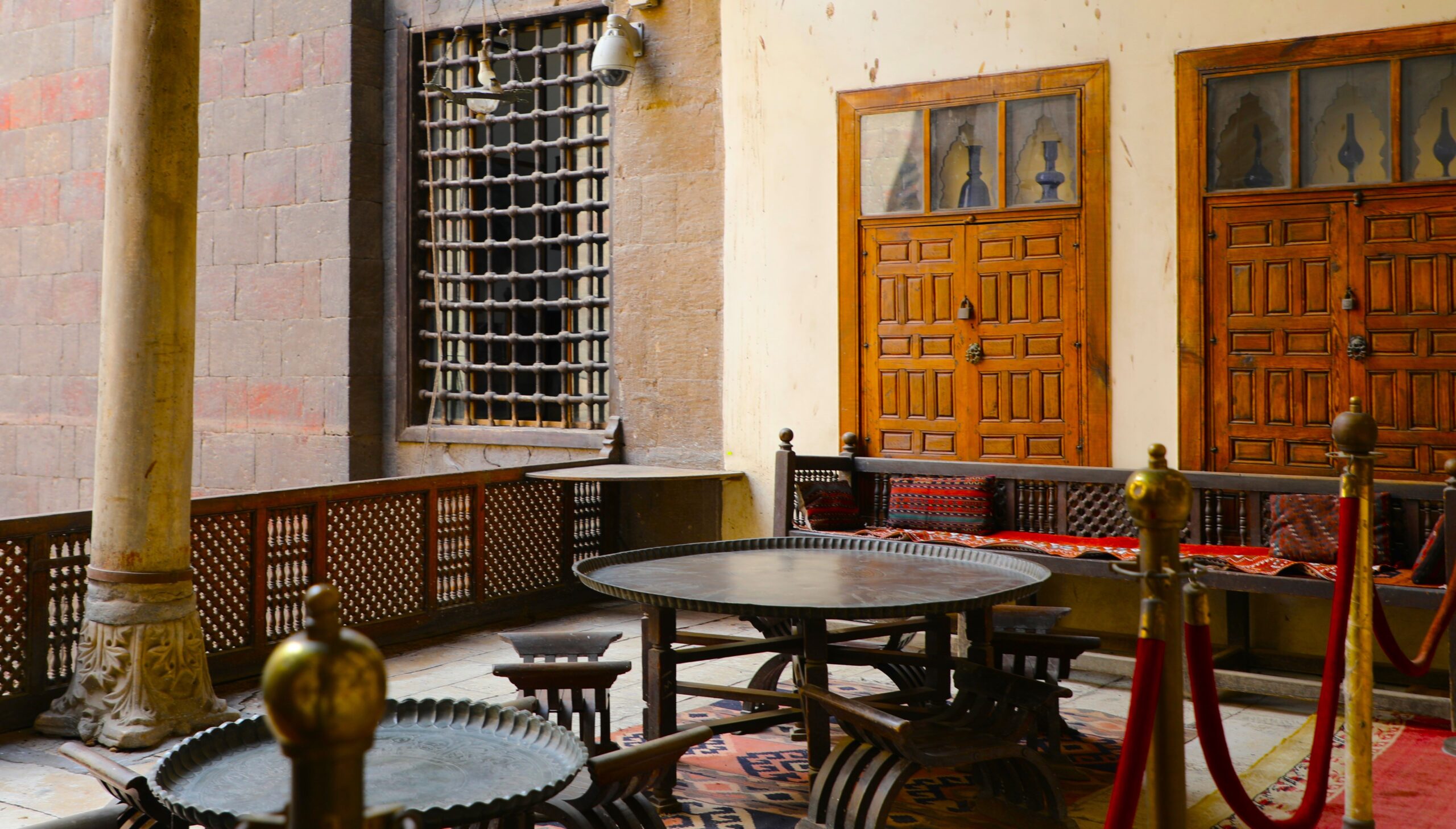
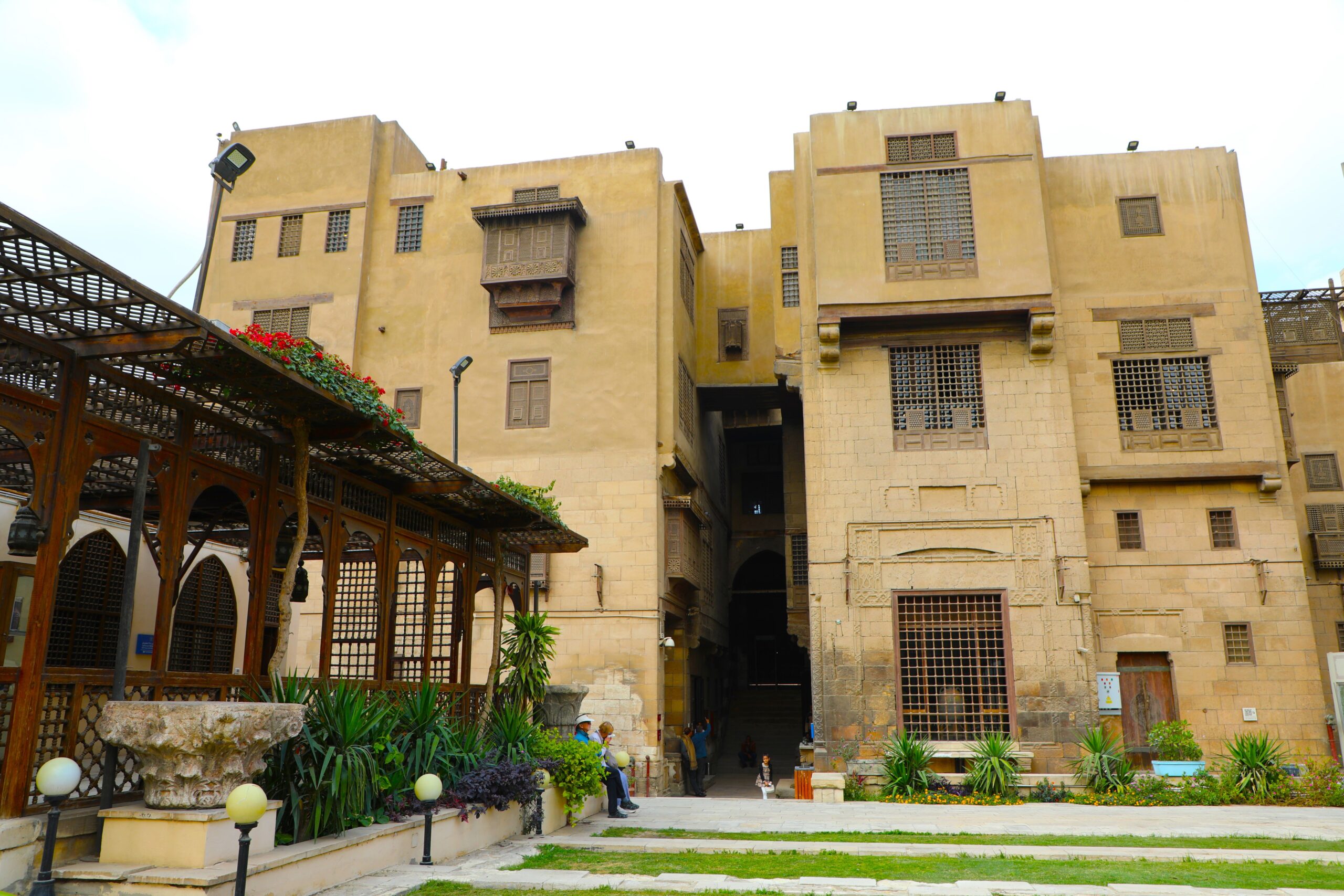
The Gayer-Anderson Museum offers students a rare look inside 17th-century Cairo domestic architecture, with rooms filled with furniture, carpets, decorative objects, and collected artworks.
Students study how architecture, collection practices, storytelling, and historic interiors reveal the layered cultural life of Cairo.
 Its Weaves Are On Display All Over The World
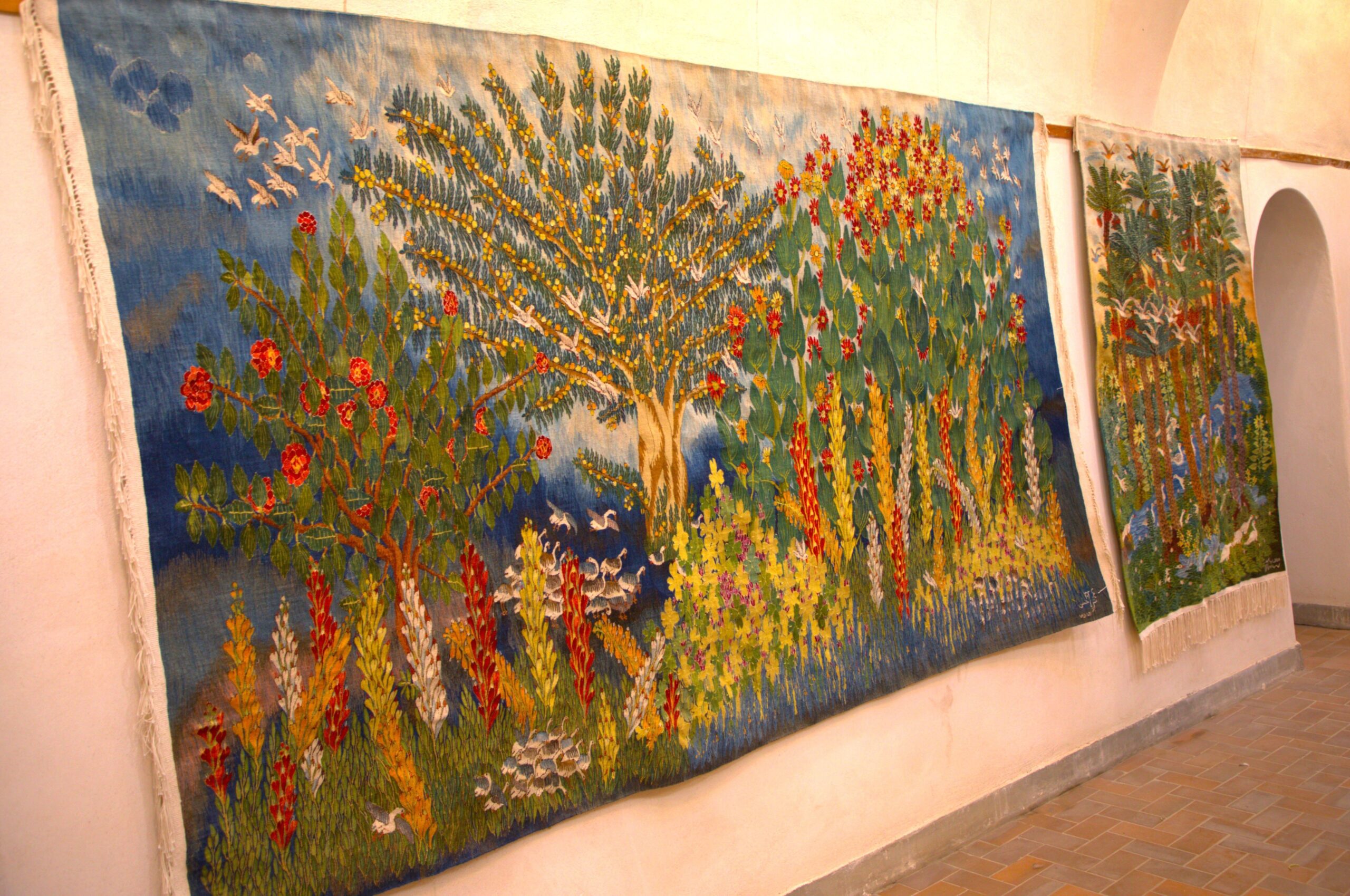 Magnificent Weaves
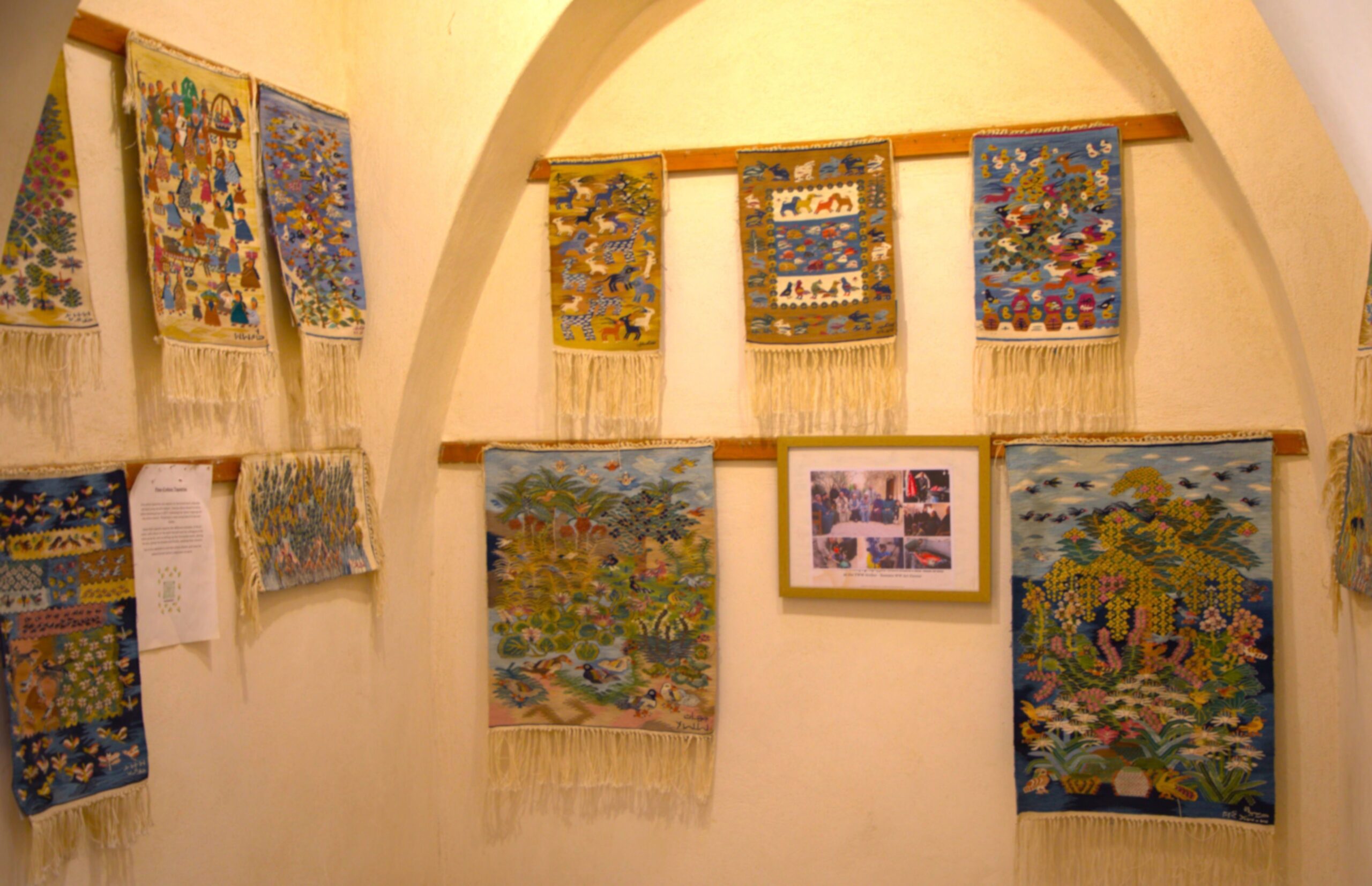 Exhibits Of Children's Weaves
 Egypt (936)
 Egypt (946)
 Egypt (941)
Al Azhar Park
Al-Azhar Park is widely considered a masterpiece of landscape and urban art. By transforming over 500 years of accumulated rubble into a 30-hectare green oasis, the park highlights how landscape architecture can seamlessly blend classical Islamic garden geometry with modern design elements
 Spectacular Views Of Cairo
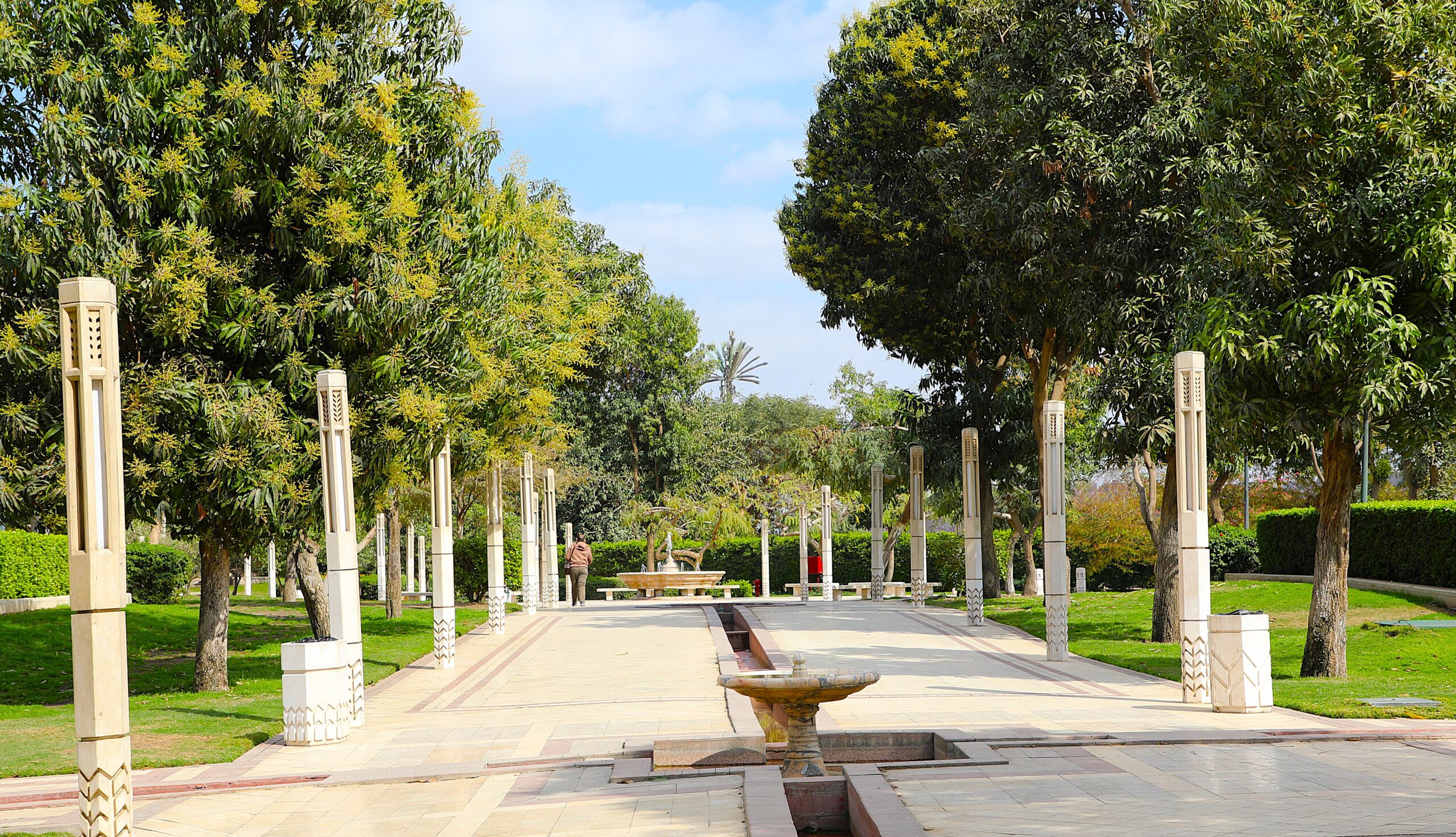 Islamic Garden Architecture
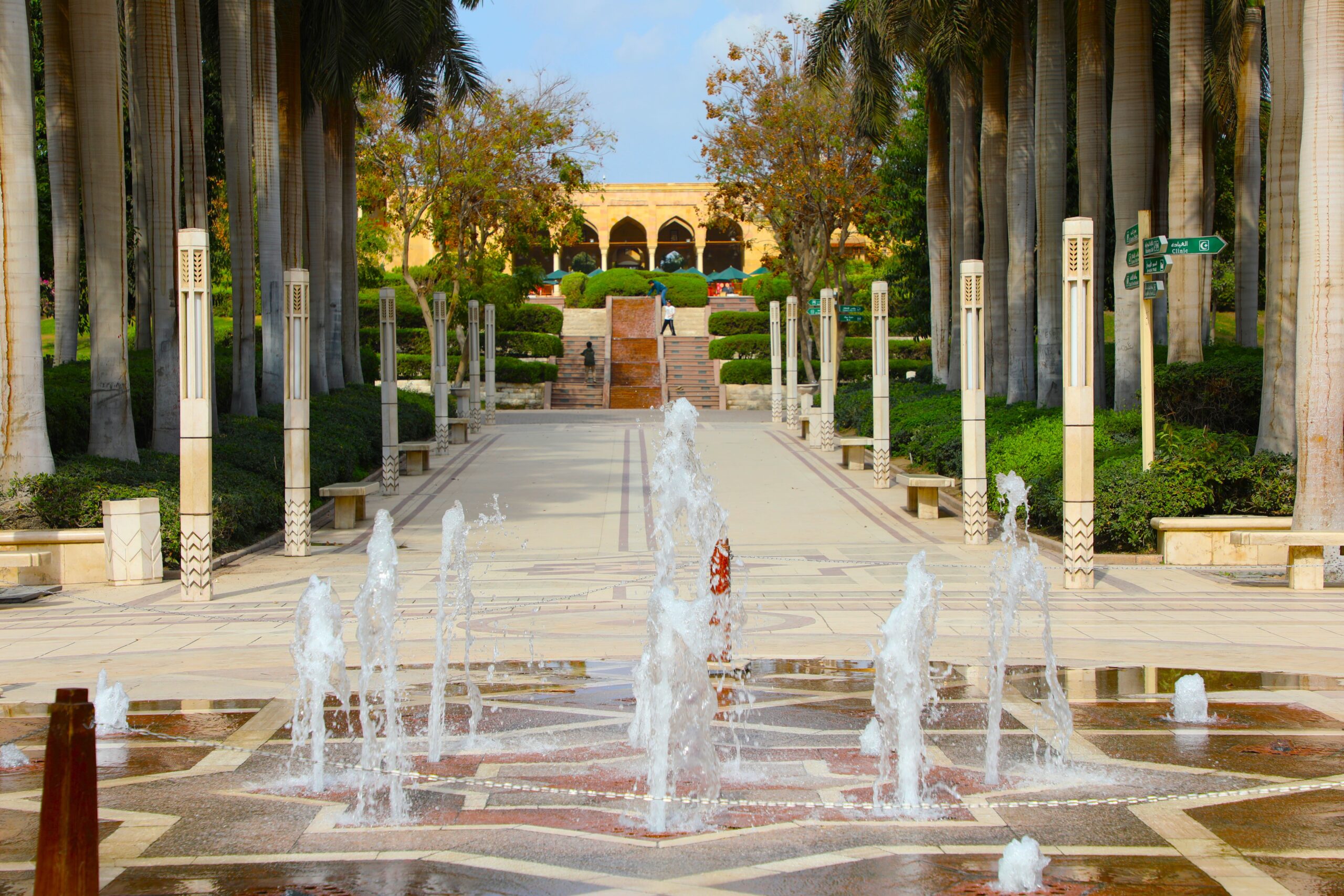 Al Azhar Park A Place To Relax
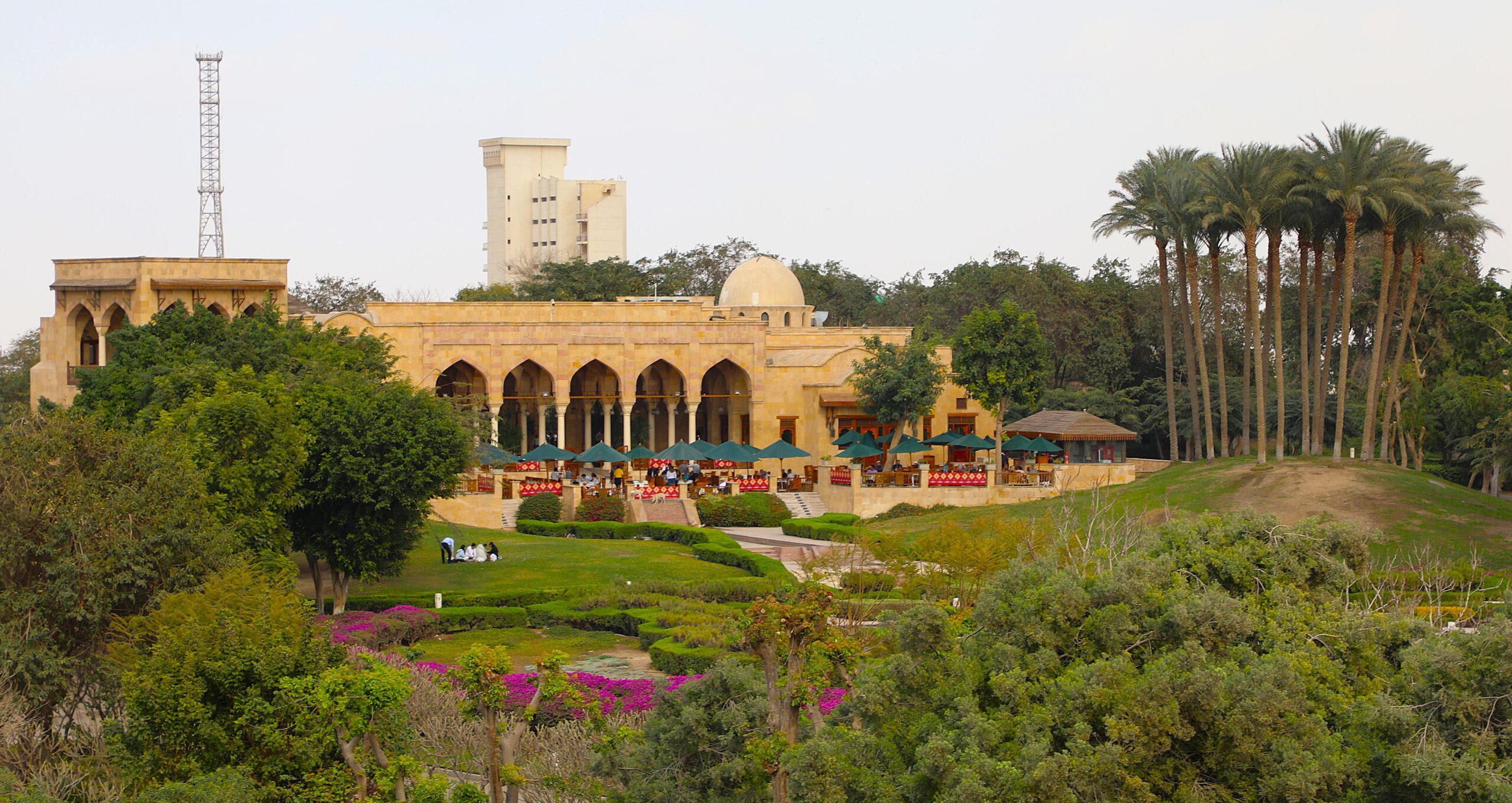 Great Restaurants To Enjoy
INCLUSIONS
This tour can be combined with other tours for a great Egyptian experience. Please enquire at One Horizon for your options.
- 3 x nights’ accommodation at the Marriott Nile Hotel
- Pick up and return in airconditioned comfort
- All entrance fees, service charge, current taxes, and vat.
- Breakfast, Lunch and Dinner each day
- 2 Hours free time in Khan El Khalili Bazaar
- Services of an English-speaking guide
Exclusions
- Personal expenditure
- Tips
- Alcoholic, soda or fruit juice drinks
Video
We would like to acknowledge MI Banerj whose videos are publicly available on You Tube
FAQ's
Q1. Are students grouped according to age?
Answer: Yes. To ensure the program is age-appropriate, supportive and engaging, students participate in one of two groups:
- High school students aged 14 to 17 years
- College and university students aged 18 to 23 years
Q2. Do students aged 14 to 17 years need to be accompanied by a teacher, parent or guardian?
Answer: Yes. As part of our duty of care, students aged 14 to 17 years must be accompanied by an adult nominated by the school or institution. In most cases, this is a teacher or school-appointed staff member who acts as the lead contact and supports the management of the student group throughout the program.
Q3. Do college and university students aged 18 to 23 years need to be accompanied by a teacher, parent or guardian?
Answer: No. College and university students are not required to be accompanied by a teacher, parent or guardian. However, One Horizon requires a nominated point of contact for the group to support communication, coordination and liaison throughout the program.
Q4. Where do students and accompanying staff stay during their program?
Answer: Students and accompanying staff stay in 4- to 5-star international hotel accommodation for the duration of the program. The first two days of the program are conducted at the hotel, providing a comfortable and well-supported environment for orientation, learning and preparation. Accommodation is arranged on a twin-share basis.
Q5. How are students transported to community visits and program activities?
Answer: Students are transported in private, air-conditioned vehicles operated by One Horizon. The facilitators delivering the program also accompany students during daily activities, providing continuity, guidance and supervision throughout the experience.
Q6. Can parents contact their child during the program?
Answer: Parent communication is managed in accordance with the policies of the participating school or institution. One Horizon also provides 24-hour contact details, including mobile numbers and email addresses, so students can be reached if required. Internet connectivity is available at program venues and in the vehicles used to transport students and staff.
Q7. What meals are provided during the five-day program?
Answer: One Horizon caters for a wide range of dietary requirements, including vegetarian, vegan and familiar Western-style meal options. Meals are prepared with fresh, healthy ingredients and are provided through the hotel where students and staff are staying. Evening meals also include selected well-regarded Nairobi restaurants, giving students an additional opportunity to experience the city in a safe and structured way.
Q8. Is travel and health insurance required?
Answer: Yes. Appropriate travel and health insurance is required for student participation in the program. Schools, institutions, parents and guardians should ensure that each participant has suitable coverage before travel.
Q9. Does One Horizon have public liability and professional indemnity insurance?
Answer: Yes. One Horizon maintains insurance coverage that includes public liability and professional indemnity insurance. Copies of relevant policy documentation can be provided upon request.
Q10. What distinguishes One Horizon and this experience?
Answer: Our purpose-led approach and on the ground experience, gives students meaningful insight into community development, resilience and sustainable change. One Horizon’s mission and work are captured in


 One Horizon Egypt
 @onehorizonkenya
 onehorizonkenya