Educational - Egypt's Christian Heritage (8 Days)
Faith, History and Global Citizenship
Overview
Program overview for educators: This faith and heritage journey is designed for schools seeking a thoughtful, respectful exploration of Egypt’s Christian history within the wider story of Egyptian civilization. It supports learning in world religions, history, ethics, social studies, theology, literature, and global citizenship.
- Learning objectives: Students will examine Egypt’s role in early Christian history and the enduring significance of Coptic heritage.
- Students will explore how sacred places, pilgrimage traditions, architecture, manuscripts, icons, and oral histories preserve community memory.
- Students will practice respectful inquiry across religious and cultural traditions while considering the responsibilities of visitors in sacred and historic spaces.
- Student takeaways: Greater historical awareness, deeper interfaith literacy, stronger empathy for communities whose traditions differ from their own, and a more nuanced understanding of how faith, migration, refuge, and identity shape societies.
Curriculum Connections
- World History and Ancient Civilizations: Egypt’s ancient foundations, continuity of civilization, cultural exchange, and historical context for later faith traditions.
- World Religions and Theology: early Christianity, Coptic heritage, pilgrimage traditions, sacred spaces, monastic life, and respectful interfaith inquiry.
- Social Studies and Ethics: migration, refuge, hospitality, identity, community memory, and the responsibilities of visitors in sacred and historic places.
- Art, Architecture, and Material Culture: churches, monasteries, icons, manuscripts, architecture, and objects as evidence of belief, continuity, and cultural expression.
- Global Citizenship and Reflection: empathy, religious literacy, ethical travel, heritage preservation, and respectful engagement with diverse communities.
Why This Program Matters for Student Travelers:
Egypt enables students to encounter faith as lived history rather than as an abstract classroom topic. Through churches, monasteries, sacred routes, museums, and historic neighborhoods, students see how belief systems shape art, architecture, community service, resilience, and cultural continuity.
Egypt’s connection to the Christian faith stretches back centuries, rooted in the Holy Family’s journey through the land in search of refuge. Introduced by St Mark the Apostle in the early first century, the Egyptian Coptic Orthodox Church is among the oldest Christian traditions in the world. Across the country, remarkable monasteries and sacred sites continue to preserve ancient teachings, treasured relics, and a living spiritual heritage.
Gallery
-

Depictions Of Christ At The Hanging Church
-
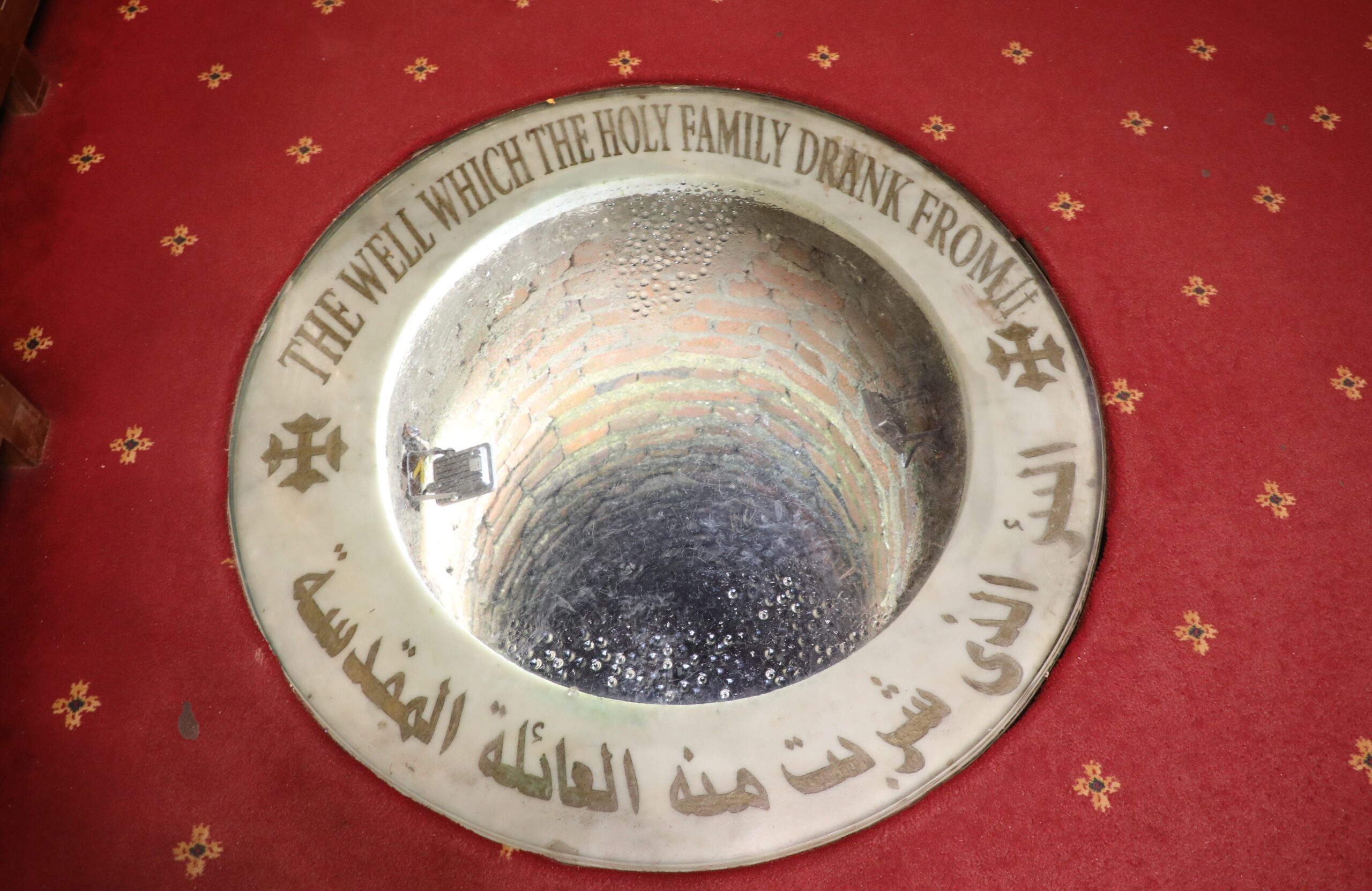
The Well Where The Holy Family Drank From
-
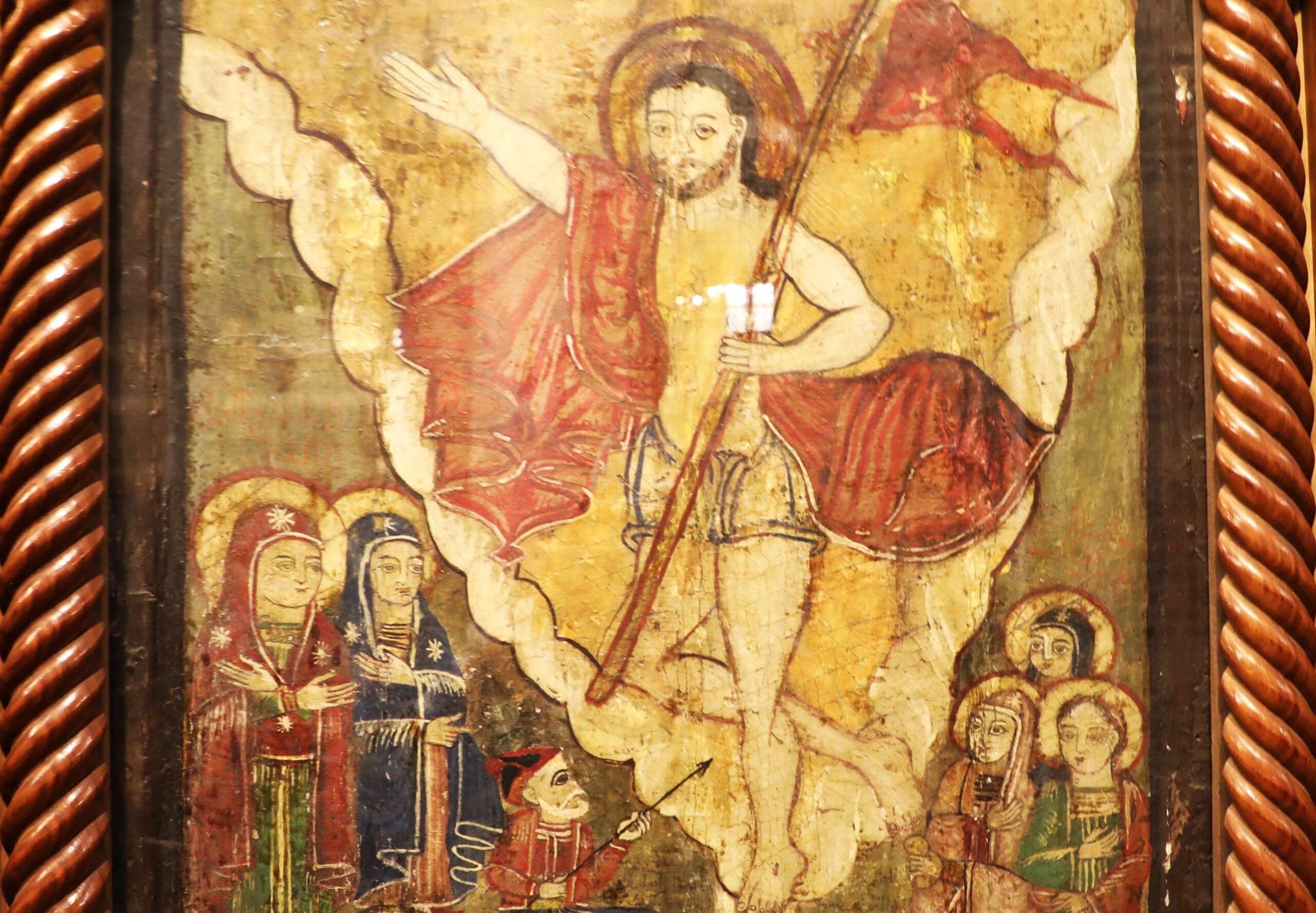
Depiction Of The Resurrection Hanging Church

Ancient Egyptian Research Association
One Horizon Africa is a member of AERA. AERA brings together archaeologists and specialists from around the world to address questions regarding the origin, nature, and development of the Egyptian state. By becoming a member of AERA you support the training of young Egyptian archaeologists and the survey, mapping, excavation, and the analysis of archaeological sites. We encourage everyone to become a member and support the work of AERA.
Itinerary
At the heart of this experience is a journey that follows part of the Holy Family’s route through Egypt, tracing the places they travelled, the communities they encountered, and the sanctuaries that welcomed them. Deeply moving and richly meaningful, this is far more than a tour—it is an invitation to walk through a powerful chapter of history that has left an enduring mark on Egypt and the world. Whether drawn by faith, culture, or curiosity, this experience offers a rare opportunity to connect with the stories, people, and landscapes that helped shape a civilisation and continue to inspire generations today.
To begin, this journey opens with visits to some of Egypt’s most iconic ancient sites and monuments—world-renowned treasures that set the stage for an unforgettable exploration of this extraordinary country.
Arrival In Cairo and Your Overnight Accommodation
Students are met on arrival and assisted through airport formalities before transferring to the hotel.
Transfers and Free Time
After check-in, students have time to settle in and rest before the program begins.
Depending on arrival times, you can opt for a tour of the recently opened Grand Egyptian Museum (GEM) which houses the entire Tutankhamen collection.
 View Of Cairo From The Citadel
 The Statue Of Ramses 2 Dominates The GEM
An Introduction to Egypt
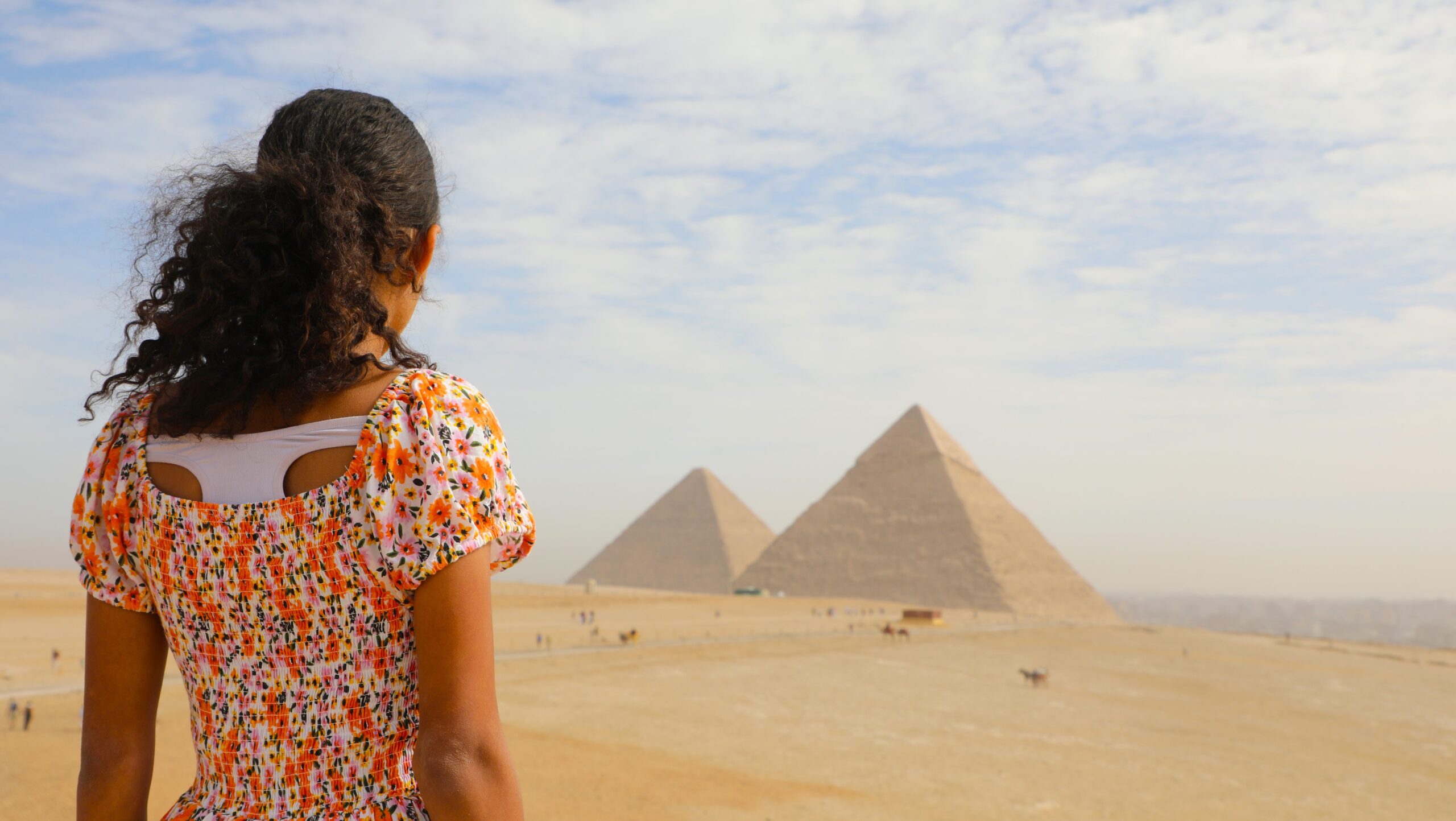
The Pyramids of Giza, the ultimate act of devotion
Students begin with the Pyramids of Giza, exploring ancient Egypt’s engineering, belief systems, and enduring cultural imagination.
The day continues with the Sphinx, Memphis, and Saqqara, giving students a strong foundation in Egypt’s ancient history before turning to its Christian heritage.
 The Iconic Sphinx
 The Stepped Pyramid Was The First Stone Pyramid
 Discovered Tombs In Saqqara
Where History, Culture and Adventure Converge
National Museum of Egyptian Civilisation
At the National Museum of Egyptian Civilization, students explore Egypt’s story through themes such as the Nile, writing, belief, society, innovation, and material culture.
The museum provides context for understanding Egypt as a civilization shaped by continuity, adaptation, and cultural exchange.
The Khan El-Khalili Bazaar
At Khan El-Khalili Bazaar, students experience one of Cairo’s most vibrant historic marketplaces and observe the living traditions of trade, craft, language, and hospitality.
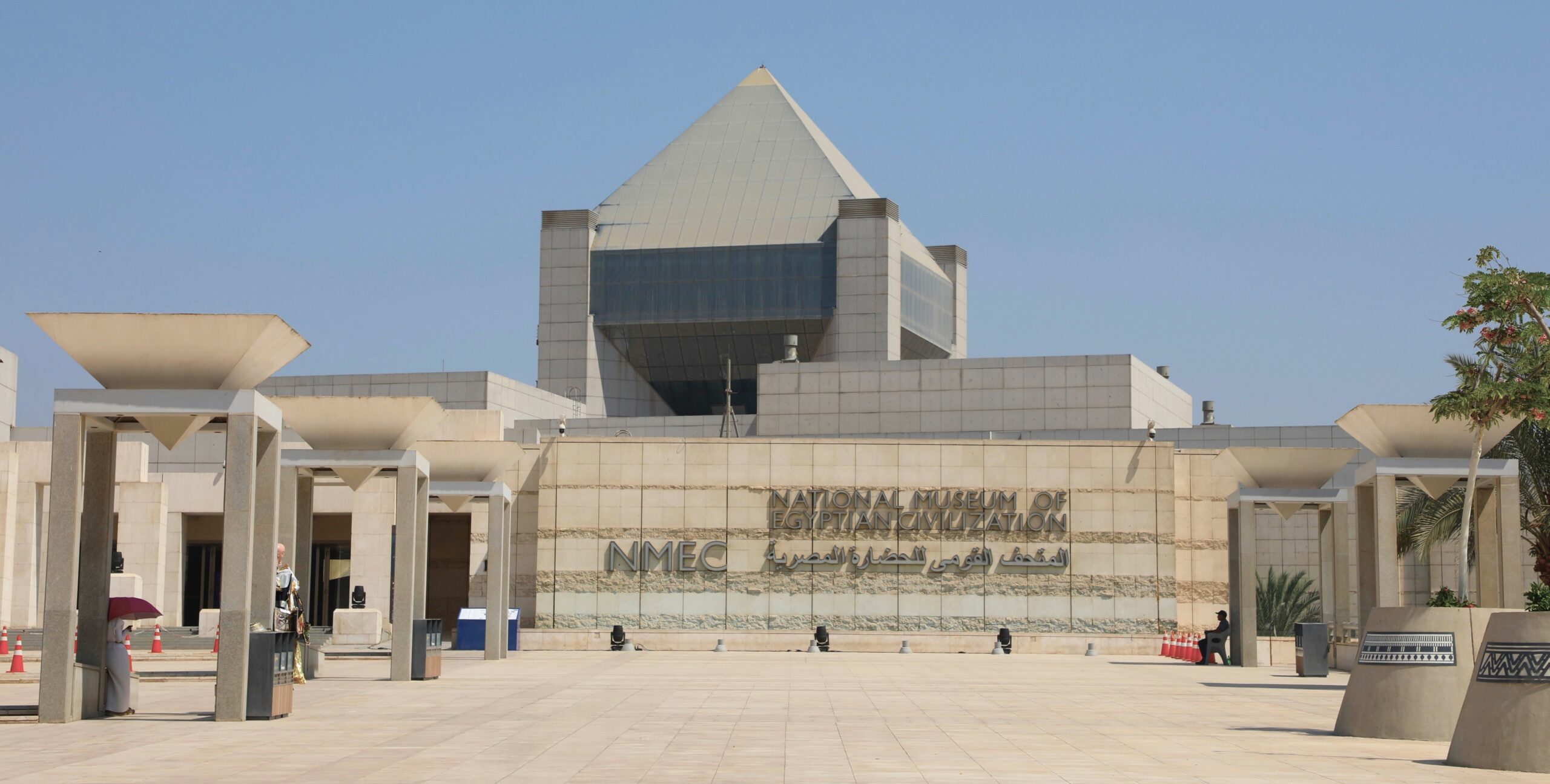 The National Museum Of Egyptian Civilization
 A Futuristic Entrance To Ancient Egypt
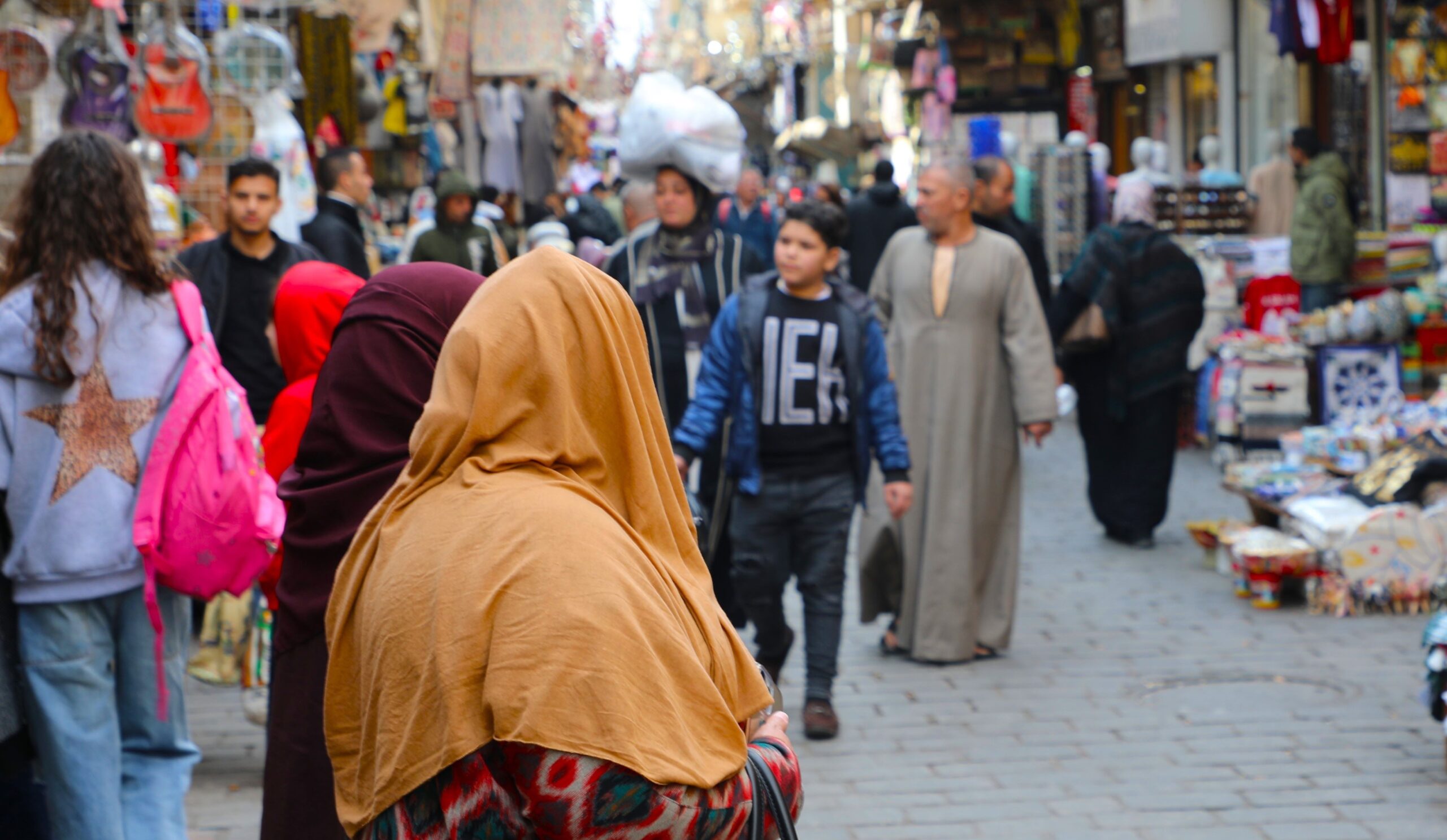 Khan El Khahilil Opened Since The 1400's
We Travel to Tel Basta and Belbis
Students travel to Tel Basta, an important stop on the Holy Family route, where tradition remembers a sacred spring associated with their journey.
The day continues to Belbeis, where students learn about local traditions connected to the “Tree of the Virgin Mary” and stories of refuge, welcome, and faith.
 Coptic Xmas Is Held On The 7th JJan
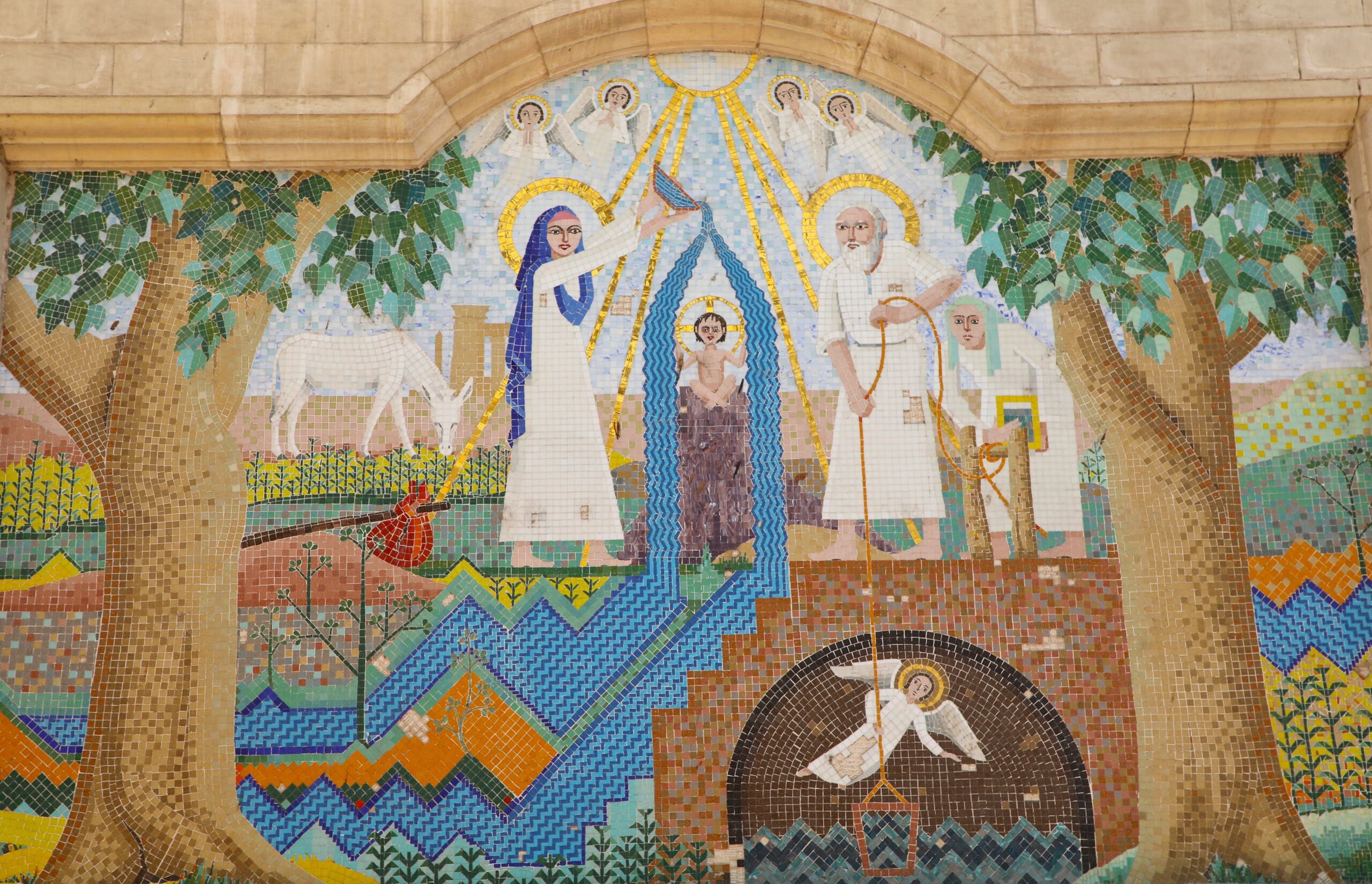 Murals Adorn The Entrance To The Church
We Travel to Sakha and Samanoud
Students visit Sakha and the Virgin Mary Church, associated with the reputed footprint of Jesus, before continuing to Samanoud, a key site on the Holy Family route.
At Saint Abanoub Church, students encounter a major Coptic pilgrimage site and consider how sacred places preserve memory, devotion, and community identity.
 Virgin Mary Church Sakha
 St. Abbanoub Sammanud
We Travel to Wadi Natroun
In Wadi Natroun, students explore one of the most important centers of Egyptian monastic life and its connection to the Holy Family tradition.
Visits may include the monasteries of Saint Bishoy, Saint Macarius, Al-Baramus, and the Syrians, each offering insight into prayer, scholarship, architecture, and continuity of tradition.
 Wai El Natrum
 Saint Bishoy Monastery
 Al Baramus Monastery
Coptic Cairo – The Hanging Church
In Coptic Cairo, students visit historic churches that reveal Egypt’s early Christian heritage and the centuries when Christianity shaped much of Egyptian cultural life.
Highlights include the Hanging Church and the Church of Saints Sergius and Bacchus, traditionally associated with the Holy Family’s stay in Egypt.
Coptic Cairo & the Ben Ezra Synagogue
Students also visit the Ben Ezra Synagogue, an important Jewish heritage site that broadens discussion of Cairo’s interwoven religious and cultural histories.
 Church Of Saints Sergius And Bacchus
 The Hanging Church
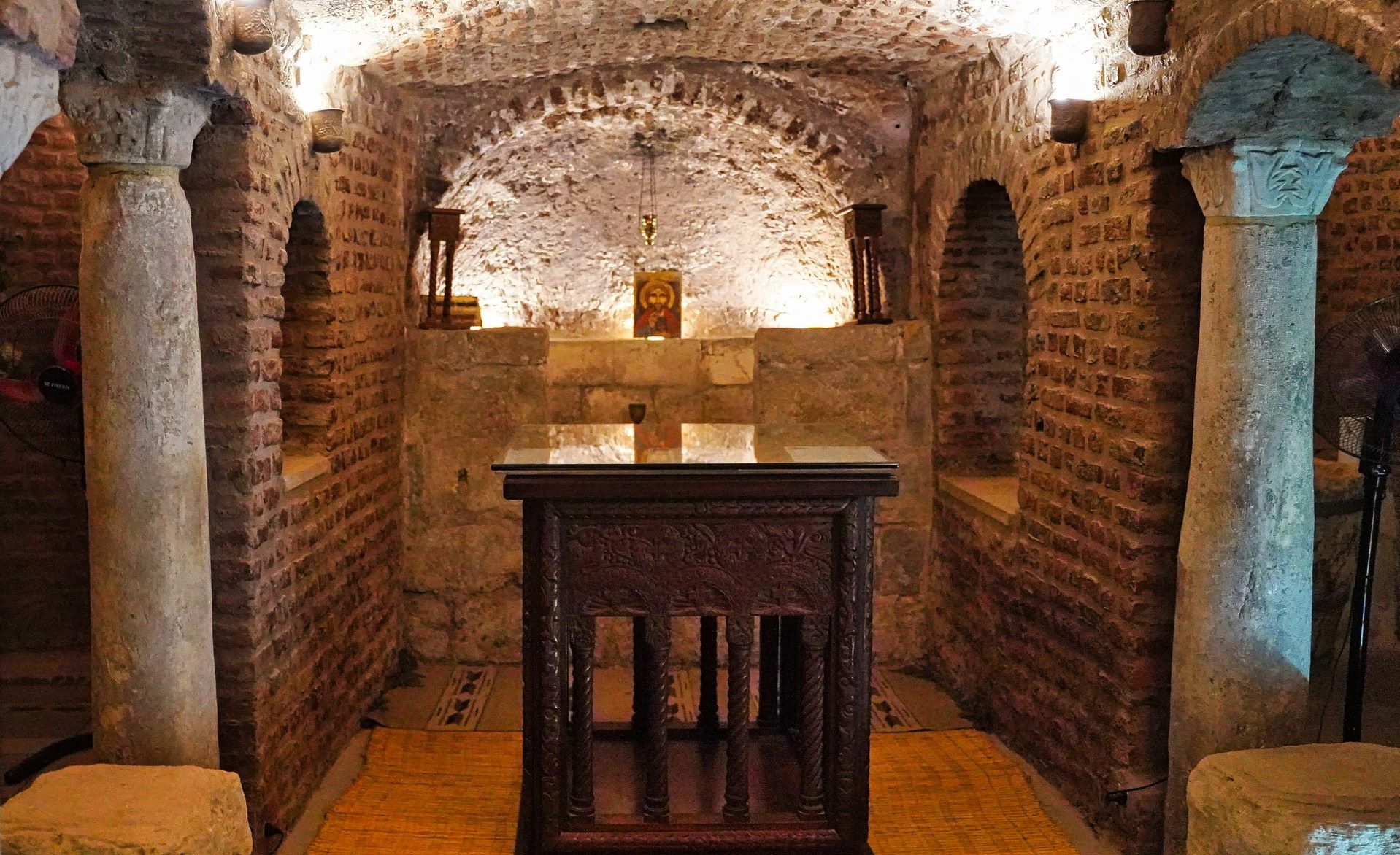
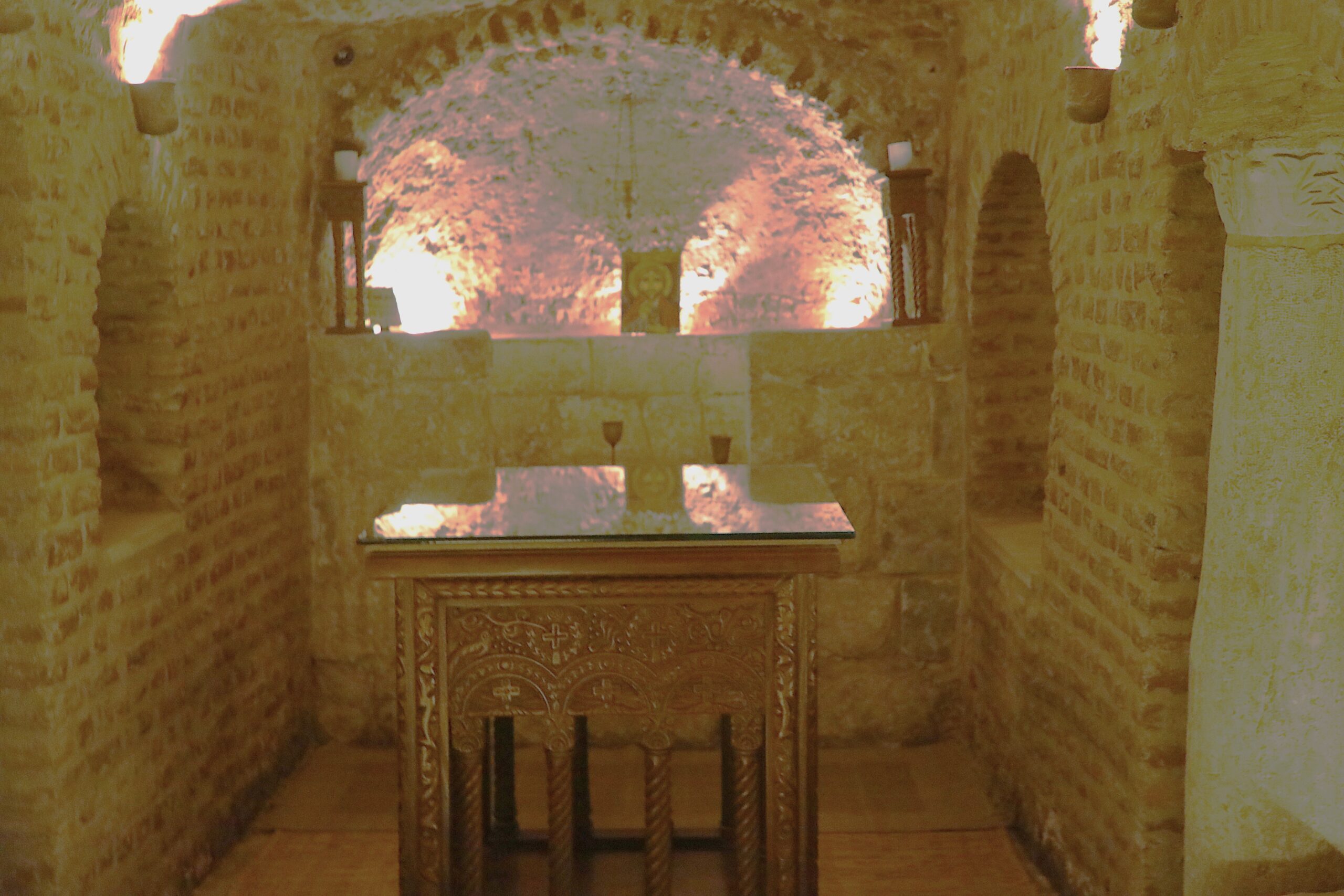 The Crypt Where The Holy Family Stayed
And Perhaps Some Last Minute Shopping
Breakfast, checkout, and reflection: Depending on departure time, students may enjoy a final optional visit before gathering for a closing reflection on hospitality, refuge, religious diversity, heritage preservation, and ethical travel.
- The Grand Egyptian Museum or
- Al Azhar Gardens
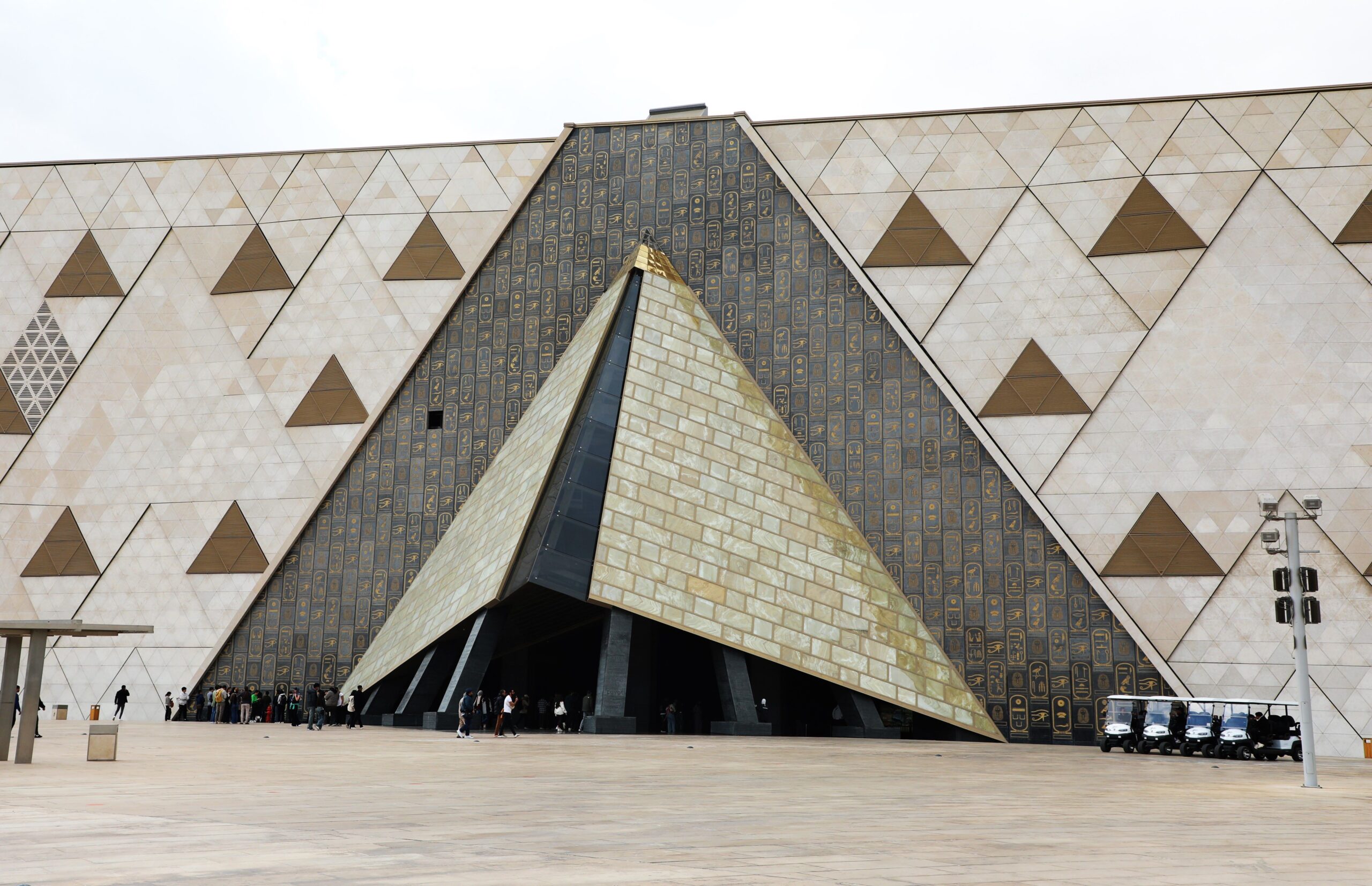 The Grand Egyptian Museum
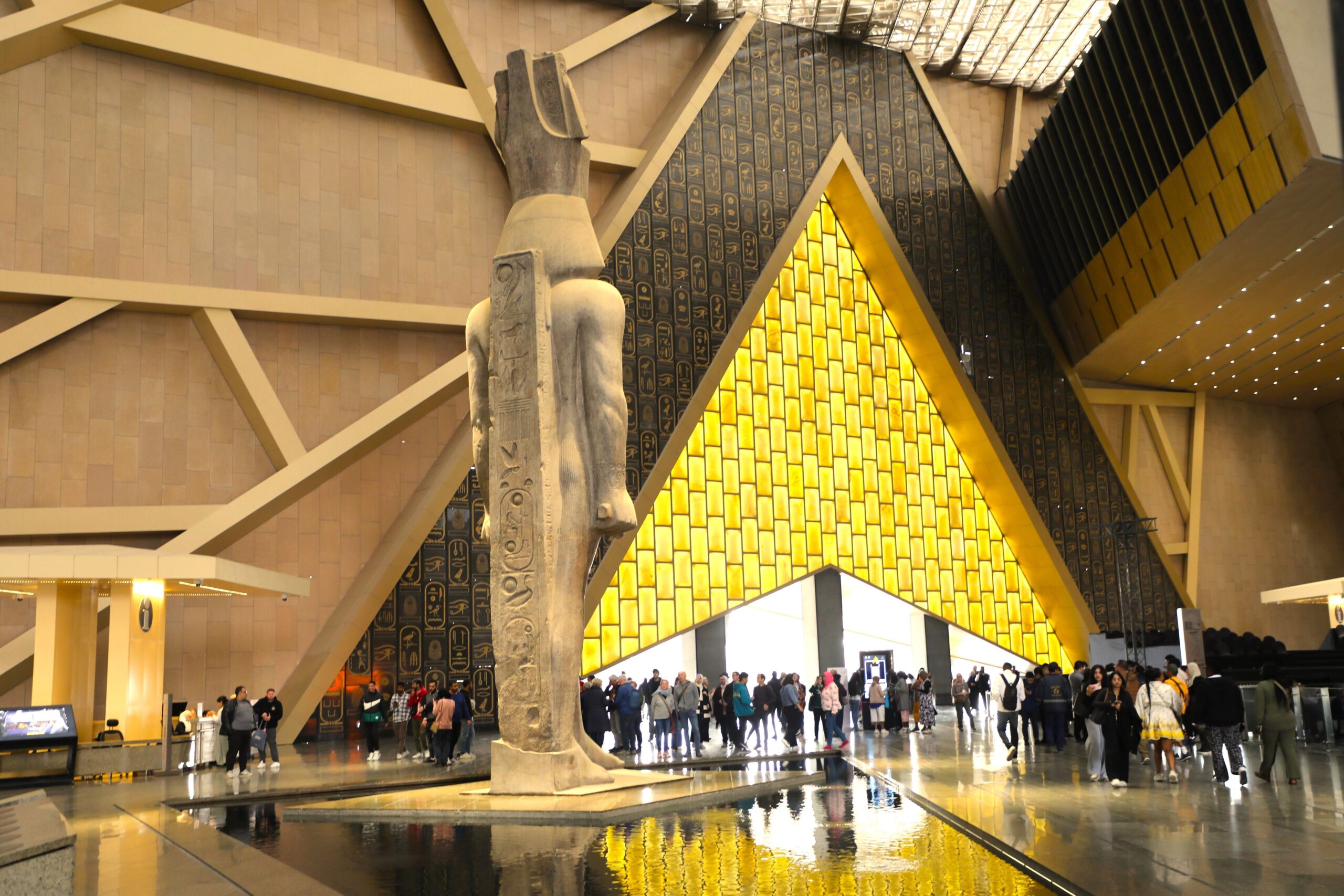 The Largest Museum In The World
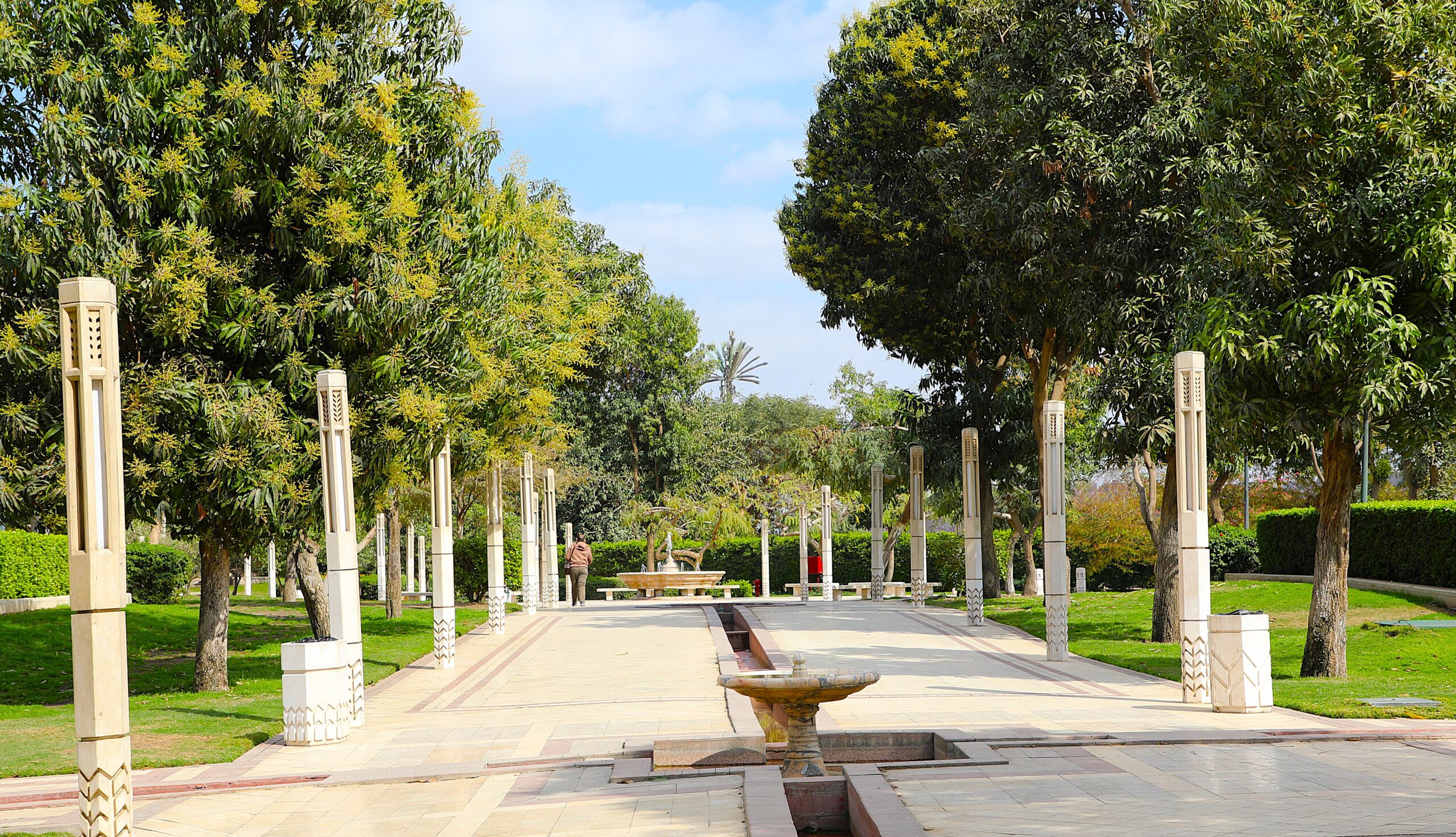 Islamic Garden Architecture
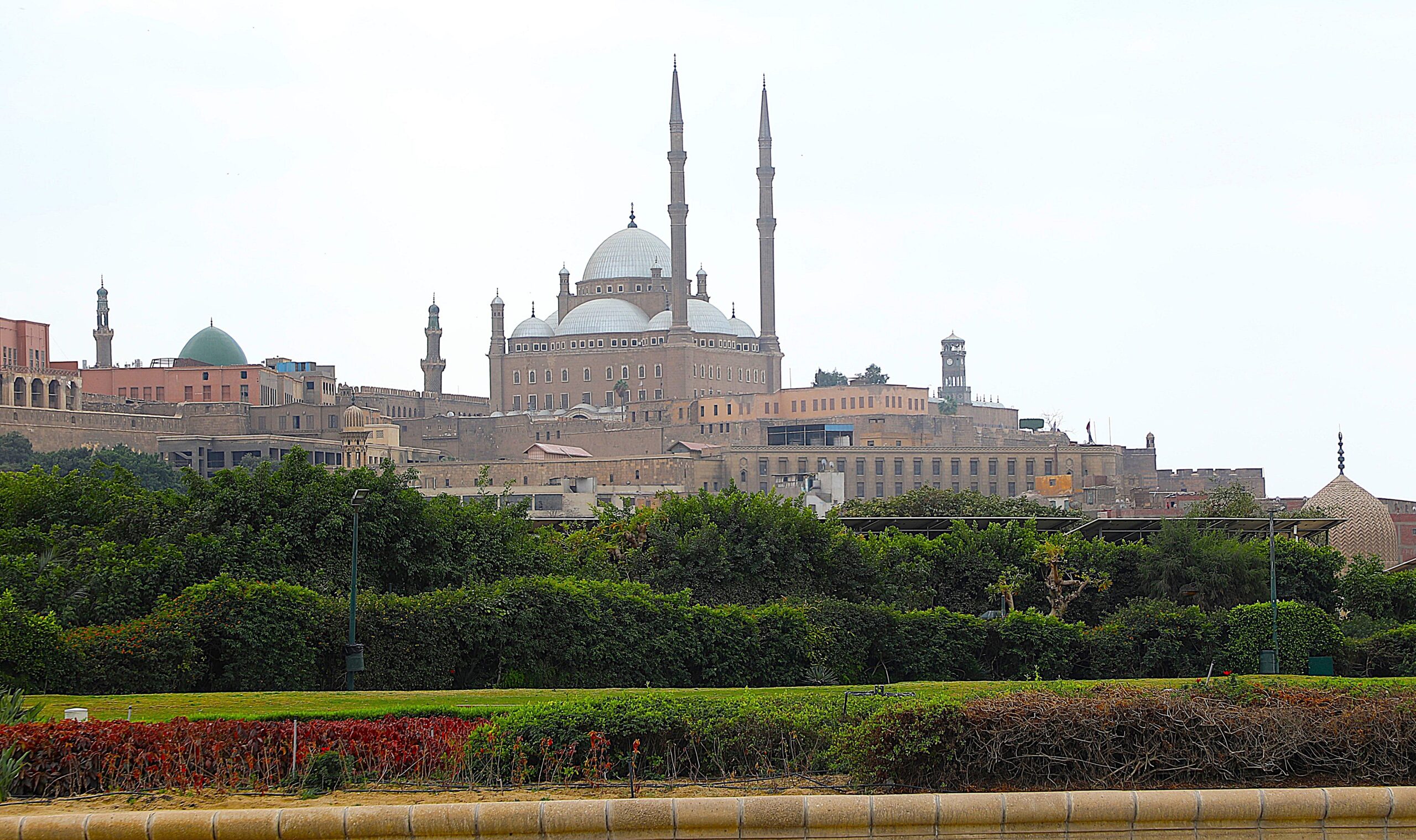 Magical Views Of Muhammad ALli Mosque
Inclusions
- 7 x nights’ accommodation at the Marriott Nile Hotel with daily breakfast
- Breakfast, Lunch and Dinner each day
- 2 x full day tours of Cairo (as determined on the itinerary)
- All ground transfers in Cairo in private modern A/C coach
- All entrance fees, service charge, current taxes, and vat.
- Services of an English-speaking guide
Exclusions
- International Airfare
- Visa Fees
- Personal expenditure of any kind
- Tips
- Drinks, extra meals
videos
We would like to acknowledge Michael Jiroch for this video which is publicly available on You Tube.
FAQ's
Q1. Are students grouped according to age?
Answer: Yes. To ensure the program is age-appropriate, supportive and engaging, students participate in one of two groups:
- High school students aged 14 to 17 years
- College and university students aged 18 to 23 years
Q2. Do students aged 14 to 17 years need to be accompanied by a teacher, parent or guardian?
Answer: Yes. As part of our duty of care, students aged 14 to 17 years must be accompanied by an adult nominated by the school or institution. In most cases, this is a teacher or school-appointed staff member who acts as the lead contact and supports the management of the student group throughout the program.
Q3. Do college and university students aged 18 to 23 years need to be accompanied by a teacher, parent or guardian?
Answer: No. College and university students are not required to be accompanied by a teacher, parent or guardian. However, One Horizon requires a nominated point of contact for the group to support communication, coordination and liaison throughout the program.
Q4. Where do students and accompanying staff stay during their program?
Answer: Students and accompanying staff stay in 4- to 5-star international hotel accommodation for the duration of the program. The first two days of the program are conducted at the hotel, providing a comfortable and well-supported environment for orientation, learning and preparation. Accommodation is arranged on a twin-share basis.
Q5. How are students transported to community visits and program activities?
Answer: Students are transported in private, air-conditioned vehicles operated by One Horizon. The facilitators delivering the program also accompany students during daily activities, providing continuity, guidance and supervision throughout the experience.
Q6. Can parents contact their child during the program?
Answer: Parent communication is managed in accordance with the policies of the participating school or institution. One Horizon also provides 24-hour contact details, including mobile numbers and email addresses, so students can be reached if required. Internet connectivity is available at program venues and in the vehicles used to transport students and staff.
Q7. What meals are provided during the five-day program?
Answer: One Horizon caters for a wide range of dietary requirements, including vegetarian, vegan and familiar Western-style meal options. Meals are prepared with fresh, healthy ingredients and are provided through the hotel where students and staff are staying. Evening meals also include selected well-regarded Nairobi restaurants, giving students an additional opportunity to experience the city in a safe and structured way.
Q8. Is travel and health insurance required?
Answer: Yes. Appropriate travel and health insurance is required for student participation in the program. Schools, institutions, parents and guardians should ensure that each participant has suitable coverage before travel.
Q9. Does One Horizon have public liability and professional indemnity insurance?
Answer: Yes. One Horizon maintains insurance coverage that includes public liability and professional indemnity insurance. Copies of relevant policy documentation can be provided upon request.
Q10. What distinguishes One Horizon and this experience?
Answer: Our purpose-led approach and on the ground experience, gives students meaningful insight into community development, resilience and sustainable change. One Horizon’s mission and work are captured in


 One Horizon Egypt
 @onehorizonkenya
 onehorizonkenya