Educational Egypt: Past and Present (5 days)
A Cultural Learning Journey for Educators and Students
Overview
This 5-day Cairo and Alexandria program is designed for educators, administrators, and students seeking to understand Egypt as a living civilisation. The journey connects ancient monuments, sacred traditions, museums, marketplaces, and modern cultural institutions to show how Egypt’s past continues to shape its identity, education, faith, community life, and global influence today.
Program Focus
Rather than presenting Egypt as a sequence of historical sites, this itinerary frames each visit as a cultural learning experience. Participants explore how engineering, governance, religion, writing, trade, scholarship, architecture, and daily life evolved across millennia—and how these themes remain visible in contemporary Egypt.
The program includes the Giza Plateau, Saqqara, the National Museum of Egyptian Civilization, Coptic and Islamic Cairo, Khan El Khalili, and Alexandria. Each day highlights classroom connections for history, world religions, archaeology, art, architecture, civics, literature, and global studies.
For student groups, the itinerary encourages observation, questioning, comparison, and reflection. For educators and administrators, it offers a strong foundation for curriculum enrichment, interdisciplinary learning, and international cultural exchange.
Private guiding, comfortable accommodation, daily lunches, and carefully selected cultural experiences support a balanced program of discovery, discussion, and reflection.
Learning Outcomes
By the end of the program, participants will be able to:
- Explain how ancient Egyptian innovations in architecture, engineering, writing, governance, and religion continue to influence Egypt’s cultural identity today.
- Recognise Egypt as a living civilisation shaped by Pharaonic, Coptic, Islamic, Mediterranean, and modern traditions.
- Connect site visits and museum experiences to classroom themes in history, world religions, archaeology, art, architecture, civics, literature, and global studies.
- Compare how communities preserve memory, belief, knowledge, and identity through monuments, museums, sacred spaces, markets, and public life.
- Reflect on Egypt’s role as a bridge between Africa, the Middle East, the Mediterranean, and the wider world.
- Develop inquiry-based questions and interdisciplinary connections that can be applied in school, college, or cultural exchange settings.
Gallery
-
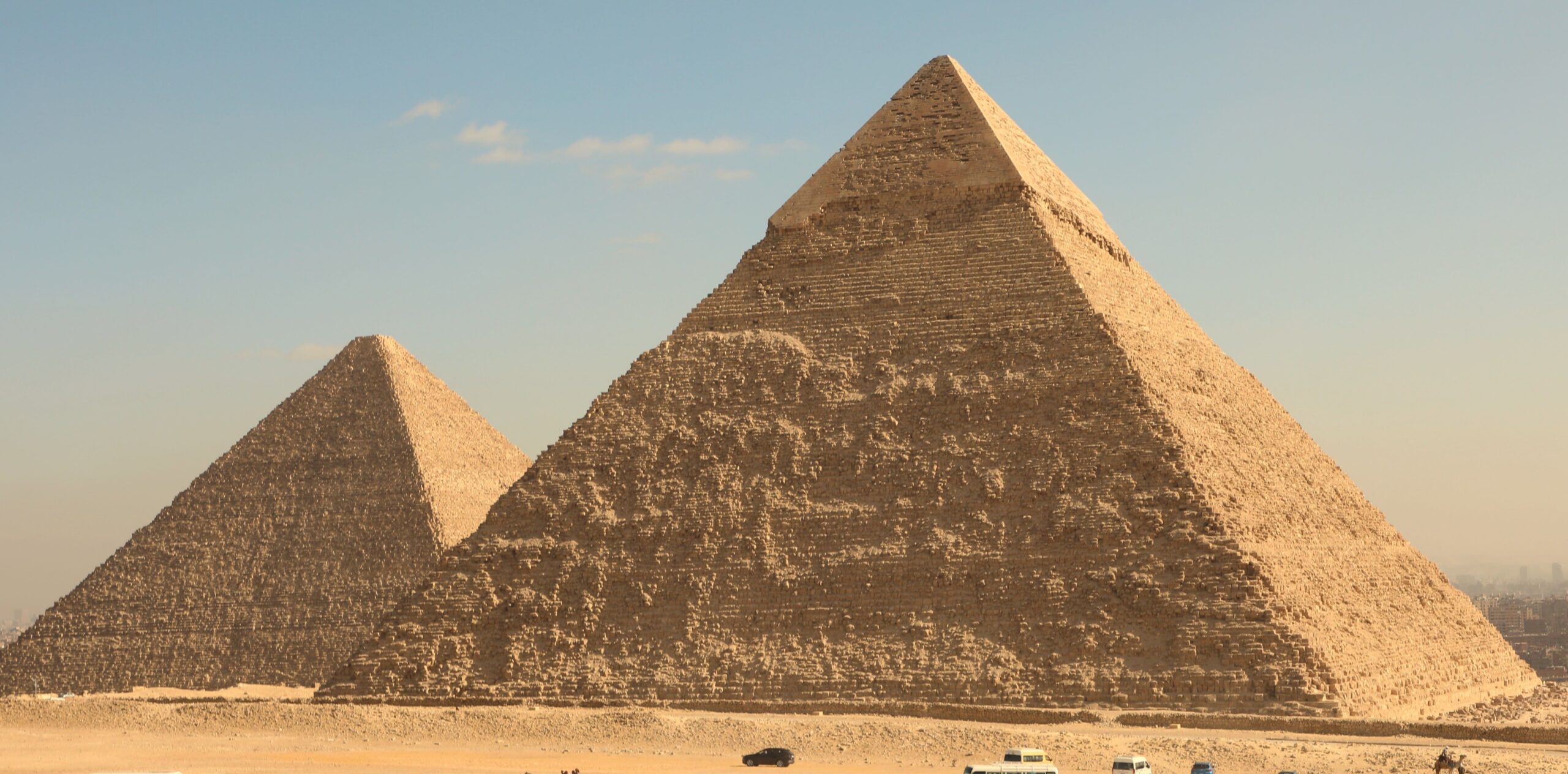
The Giza Pyramids
-

The Citadel A Place Of Gov For 700 Years
-

The Khan Is The Ultimate Cultural Experience
-

Saqqara Is Still Revealing Its Secrets
-

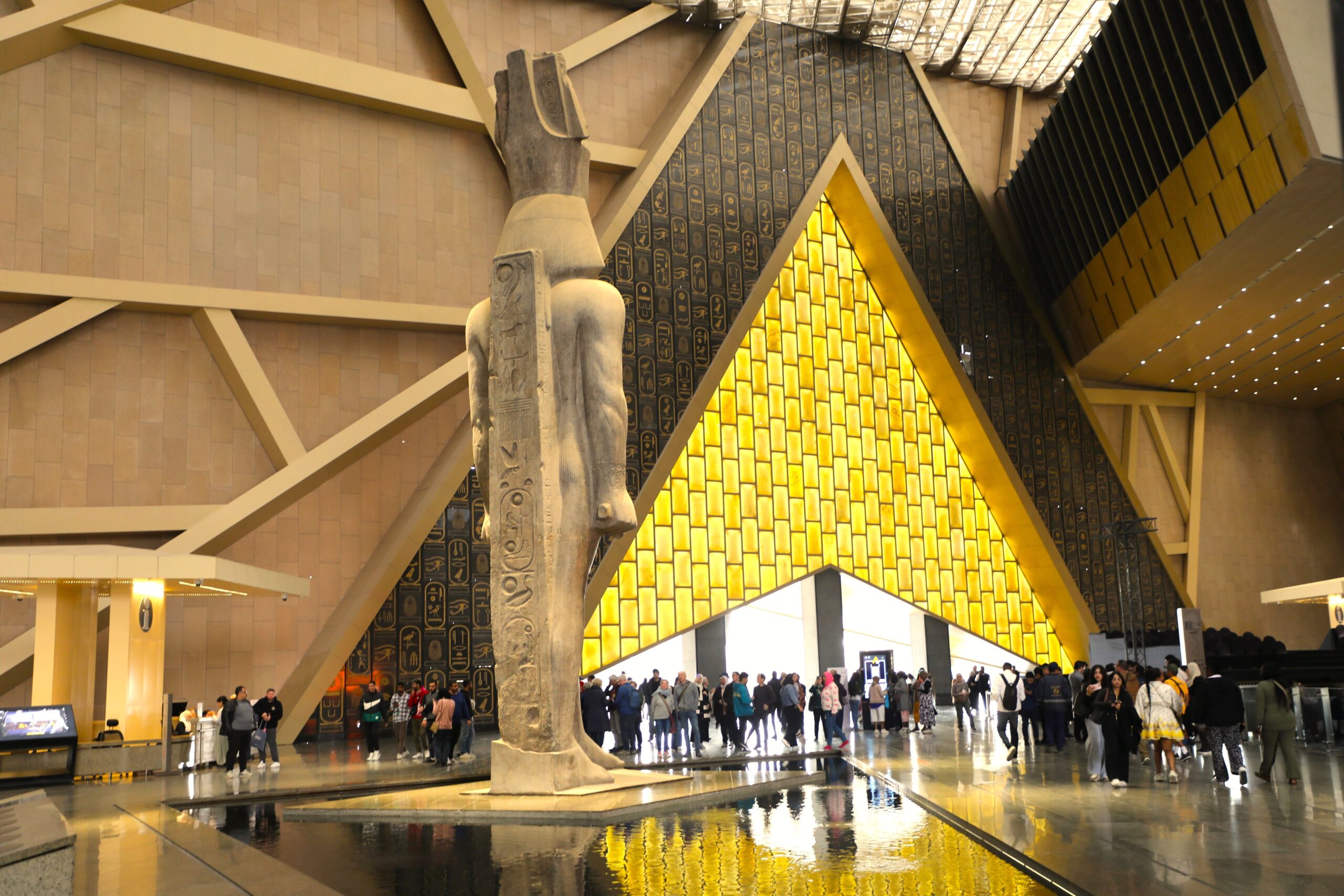
The Statue Of Ramses 2 Dominates The GEM
-
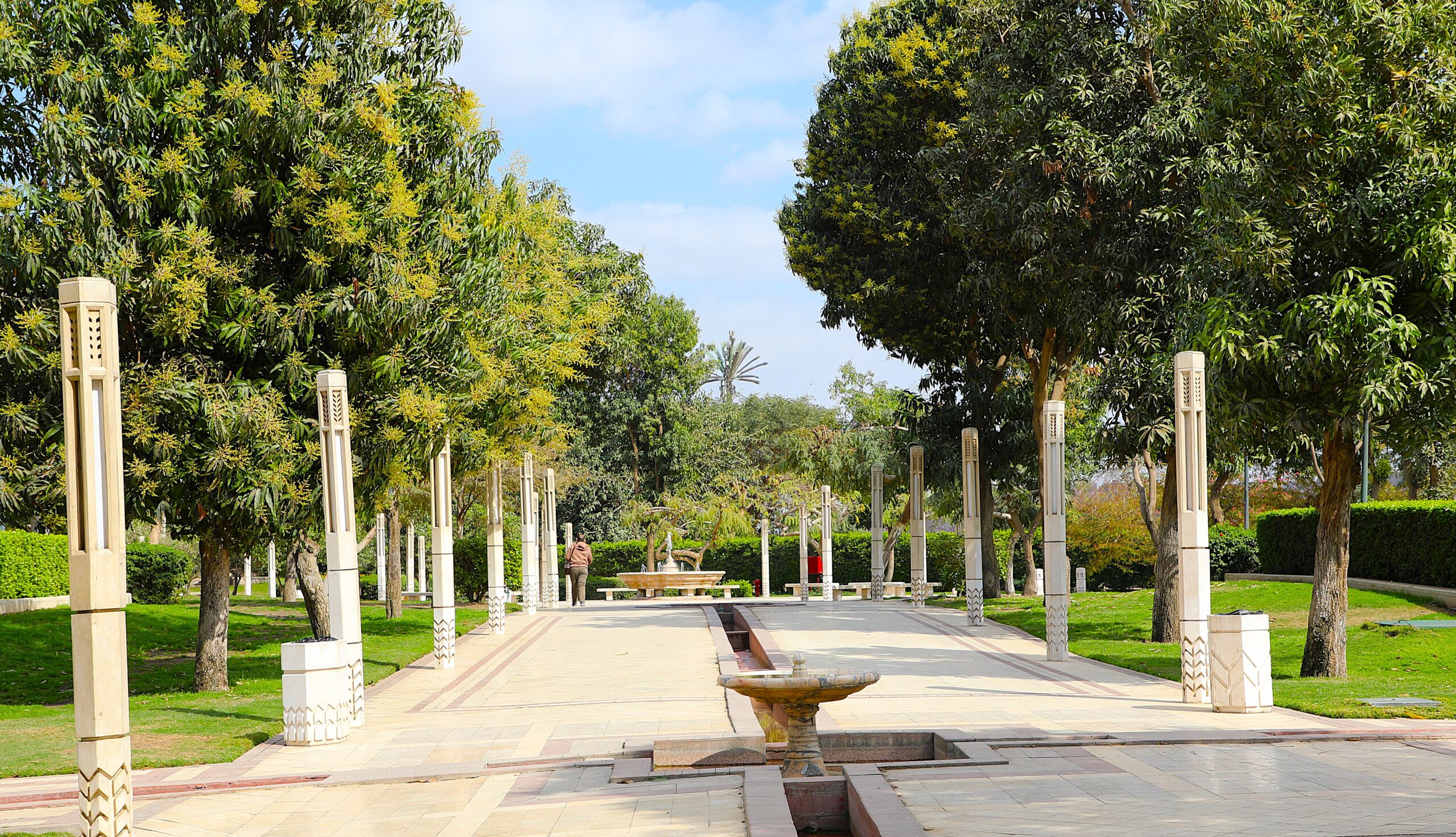
Islamic Garden Architecture

Ancient Egyptian Research Association
One Horizon Africa is a member of AERA. AERA brings together archaeologists and specialists from around the world to address questions regarding the origin, nature, and development of the Egyptian state. By becoming a member of AERA you support the training of young Egyptian archaeologists and the survey, mapping, excavation, and the analysis of archaeological sites. We encourage everyone to become a member and support the work of AERA.
Itinerary
Arrival in Cairo — First Impressions of a Living Civilisation
On arrival, participants are met at the airport, assisted through formalities, and transferred to the hotel. The opening discussion introduces Cairo as a city where ancient, Coptic, Islamic, colonial, and modern influences coexist in everyday life.
Depending on arrival times, an excursion to the recently opened Grand Egyptian Museum could be undertaken. The Museum houses the entire collection of Tutankhamun.
 View Of Cairo From The Citadel
The Grand Egyptian Museum
View Of Cairo From The Citadel
The Grand Egyptian Museum
Giza and Saqqara — Innovation, Power, and the Origins of Monumental Egypt
At the Giza Plateau, participants examine the pyramids not only as royal tombs, but as evidence of engineering skill, labour organisation, religious belief, and state power. The visit encourages students to consider how ancient societies mobilised knowledge, resources, and communities to create monuments that still define Egypt’s global image.
The Sphinx — Memory, Mystery, and Cultural Identity
The Sphinx provides a powerful case study in symbolism, interpretation, and cultural memory. Participants consider why ancient images continue to inspire debate, national pride, scholarship, tourism, and popular culture in the present day.
Saqqara — The First Stone Pyramid and the Birth of Architectural Experimentation
At Saqqara, the Step Pyramid of Djoser introduces the transition from earlier burial traditions to monumental stone architecture. The site helps students trace how experimentation, belief, and leadership produced one of the earliest large-scale stone structures in world history.
The visit also introduces archaeology as an evolving discipline: new discoveries continue to reshape what scholars understand about ancient Egyptian society, technology, art, and ritual life.
Where access allows, participants may enter selected tombs or interior spaces, linking physical evidence with questions of preservation, ethics, and interpretation
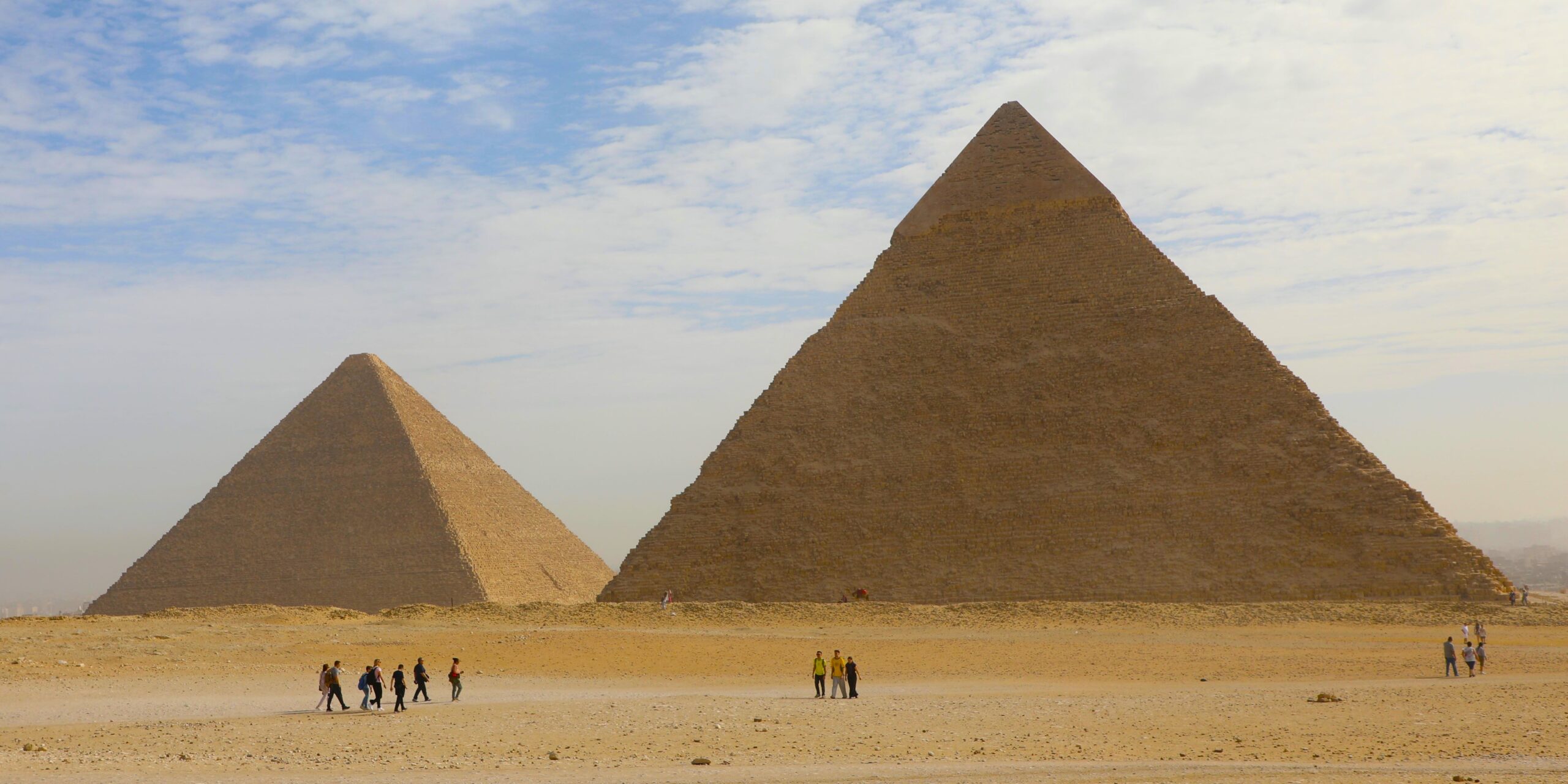 A 4,500 Year Legacy
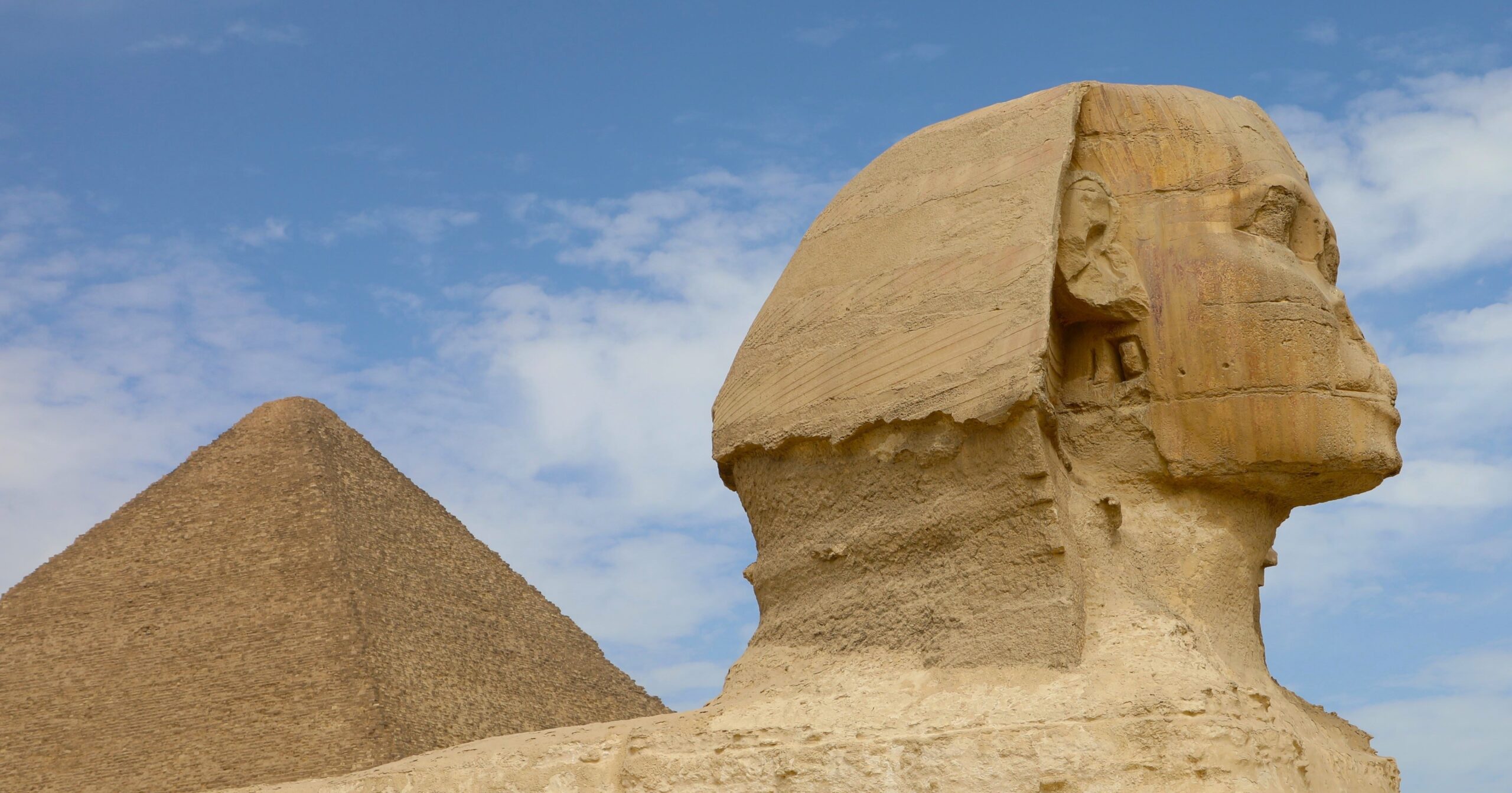 You Will Be Spellbound
 The Stepped Pyramid Was The First Stone Pyramid
NMEC, Coptic Cairo, and Islamic Cairo — Continuity Across Faith, Governance, and Community
The National Museum of Egyptian Civilization provides an essential framework for the journey. Its collections present Egypt from prehistoric times to the present, helping participants see civilisation as a continuing story rather than a distant past.
Themes such as the Nile, writing, beliefs, material culture, and society allow educators to connect museum learning with curriculum topics in history, anthropology, religion, art, language, and civic identity.
Old and Coptic Cairo — Religious Heritage and Community Memory
Old Cairo reveals the layered nature of Egyptian identity, from Roman-era foundations to Coptic Christian heritage and early Islamic settlement. Participants explore how religious communities preserved traditions, sacred spaces, languages, and art within a changing city.
Islamic Cairo, the Citadel, and the Muhammad Ali Mosque
Islamic Cairo introduces students to urban planning, military architecture, governance, religious life, and artistic achievement. The Citadel offers a vantage point for discussing Cairo as a capital city shaped by security, leadership, trade, and faith.
The Muhammad Ali Mosque — Power, Memory, and Modern Egypt
The Muhammad Ali Mosque is both an active place of worship and a statement of political ambition. Its architecture invites discussion about how rulers use buildings to express authority, identity, reform, and continuity.
Khan El Khalili — Commerce, Craft, and Everyday Culture
Khan El Khalili brings the day’s learning into the present. The market demonstrates how trade, craftsmanship, hospitality, negotiation, and public life remain central to Cairo’s cultural rhythm.
Dinner at MaGuib Mamfouz Cafe
This storied cafe opened its doors in the early 1900s and ranks among Cairo’s most famous dining spots. The cafe now carries the name of Egypt’s celebrated writer and Nobel Prize recipient, who spent years creating and writing literary masterpieces at its tables. Dinner at provides an informal setting for reflection on the day’s themes: how public spaces, food, storytelling, and shared memory keep culture alive across generations.
 National Museum Of Egyptian Civilization (NMEC)
 A Futuristic Entrance To Ancient Egypt
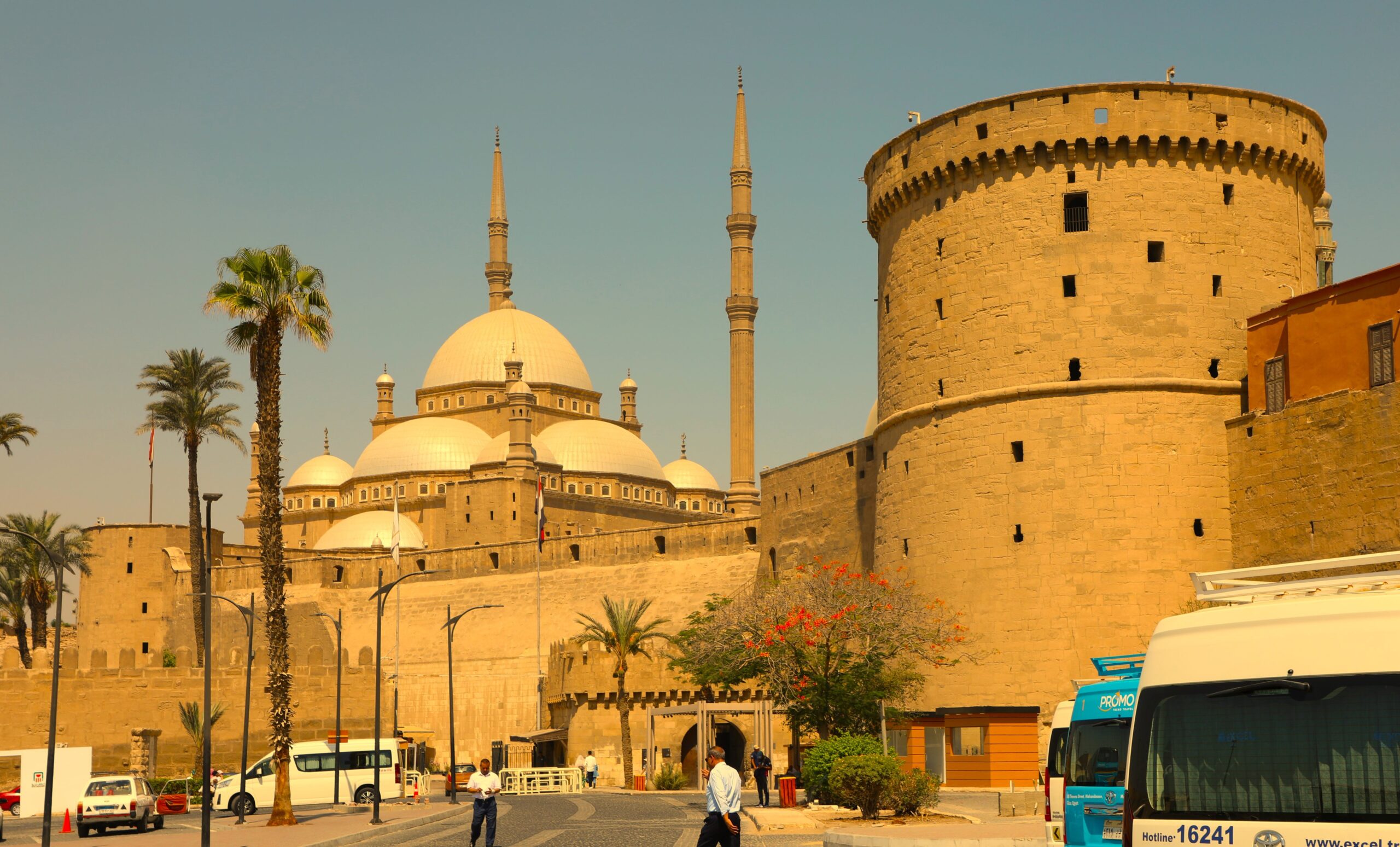 The Citadel And Mohammad Ali Mosque
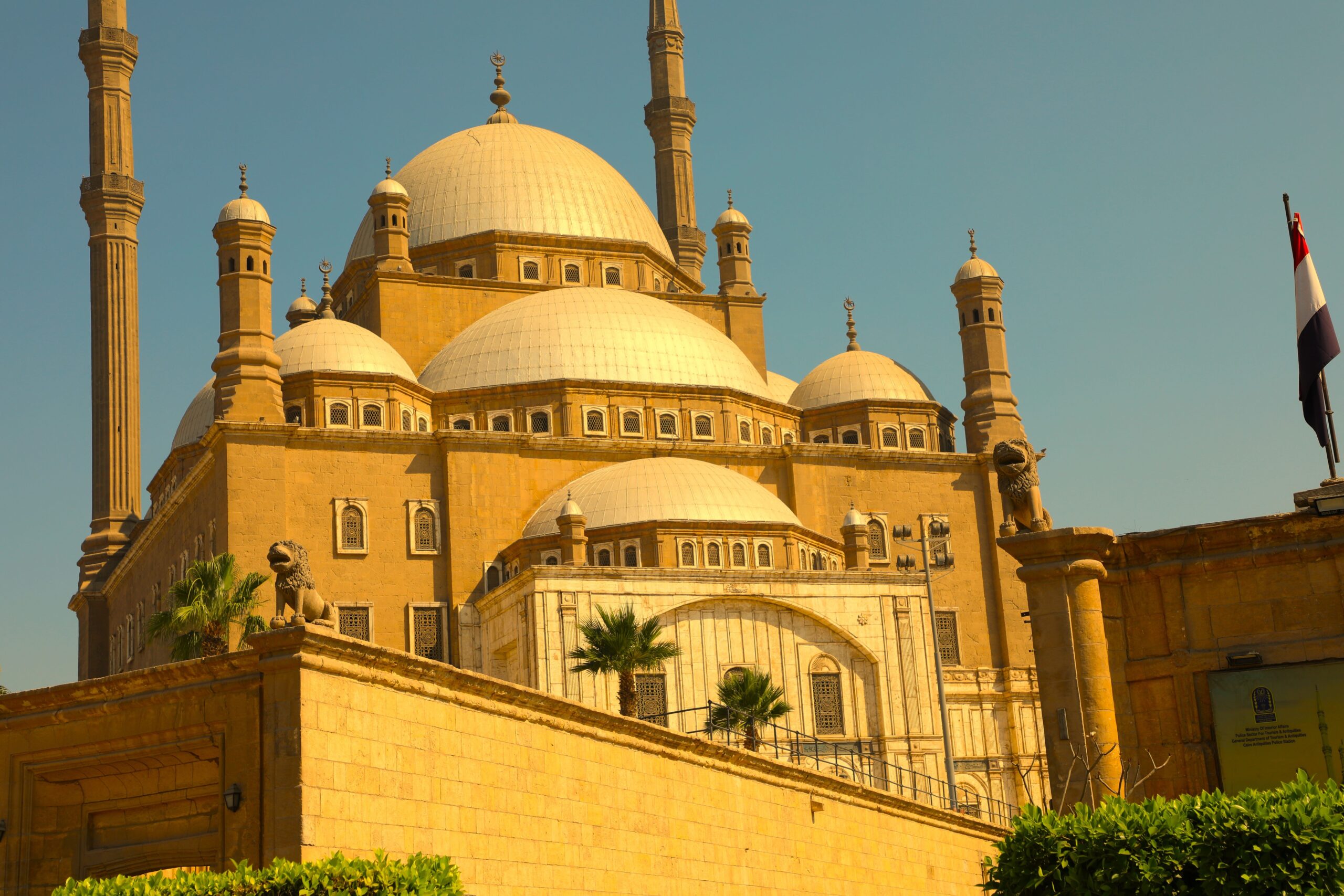 The Muhammad Ali Mosque
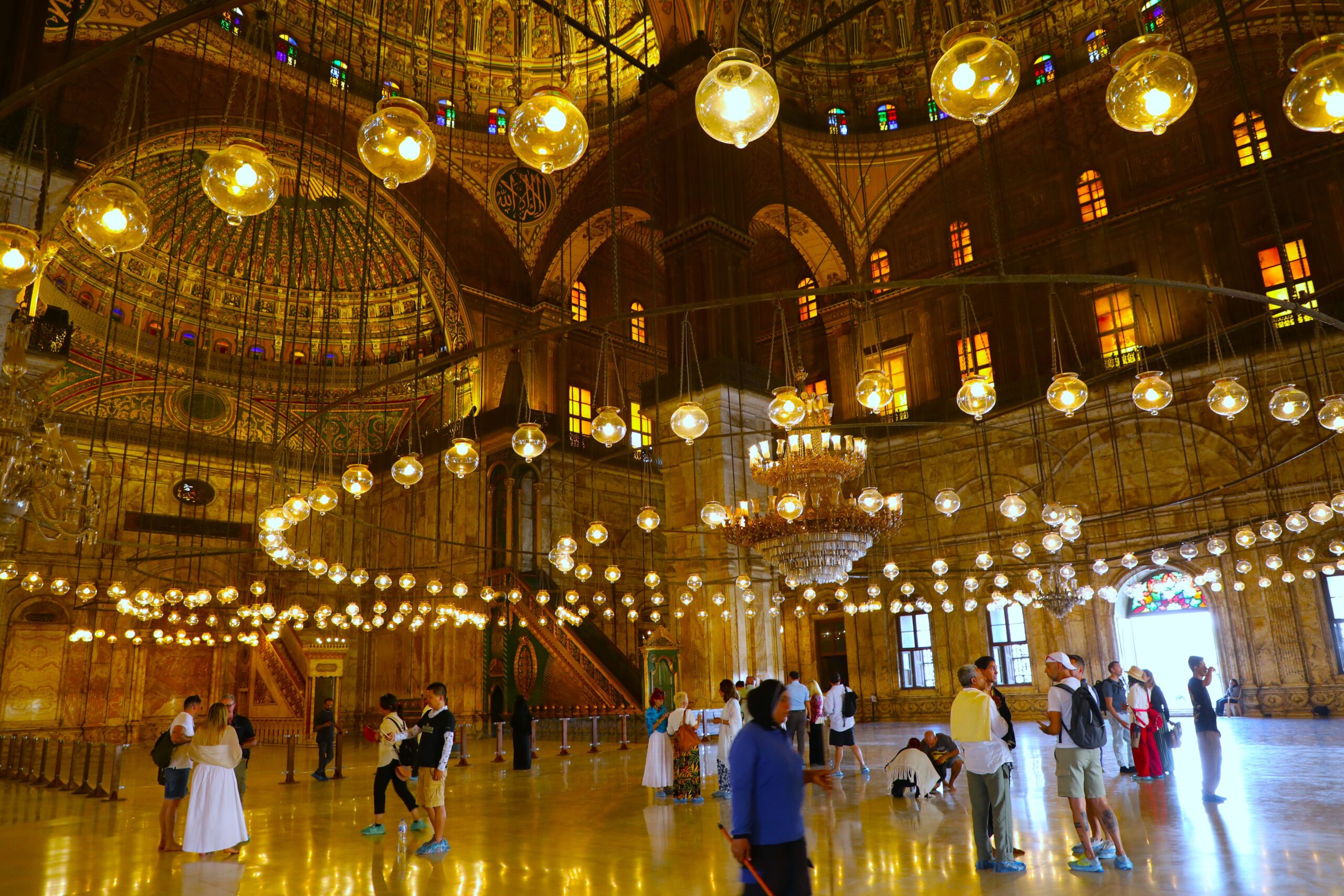 Egypt (711)
 And Lunch Is A Time To Linger
Alexandria — Knowledge, Mediterranean Exchange, and Cultural Crossroads
Alexandria introduces a different Egyptian story: a Mediterranean city shaped by Greek, Roman, Egyptian, Jewish, Christian, Islamic, and modern influences. Participants examine how geography, empire, migration, scholarship, and trade made Alexandria one of the world’s great cultural crossroads.
Bibliotheca Alexandrina — Ancient Learning and Modern Knowledge
The Bibliotheca Alexandrina links the ancient Library of Alexandria with contemporary commitments to learning, dialogue, research, and cultural exchange. For educators, it offers a strong point of comparison between ancient centres of scholarship and today’s global knowledge networks.
Roman Theatre — Public Life and Performance
The Roman Theatre encourages discussion of public entertainment, civic life, language, performance, and cultural adaptation across Roman, Byzantine, and later periods.
Qaitbay Citadel — From Ancient Lighthouse to Coastal Fortress
Qaitbay Citadel stands near the site of the ancient Pharos Lighthouse, one of the Seven Wonders of the Ancient World. The visit links navigation, maritime power, defence, memory, and the reuse of historic sites across time.
Catacombs and Sacred Architecture — Belief Across Cultures
Alexandria’s catacombs and religious architecture illustrate how communities expressed beliefs about death, memory, devotion, and identity. The day closes with reflection on Egypt as a meeting place of civilisations rather than a single historical narrative.
 Alexandria Was Founded In 32 BC
 The Great Library Of Alexandria 48 BC
 4th Century Roman Amphitheatre
 Sultan Qāʾit Bey Citadel
 Inside The Qaitbey Citadel (15th Century)
Departure — Reflection and Transfer
Before departure, participants may use available time for final shopping or reflection. The program concludes by revisiting the central question of the journey: how does Egypt’s ancient past continue to inform its present-day culture, identity, education, and place in the world?
 Shopping At The Khan El Khalili
Inclusions
- Meet, greet and transfer by our representative upon arrival into Cairo to your hotel
- Return transfer to the airport and facilitation through Immigration
- Your tour conducted as a private tour
- 4 Nights hotel accommodation at a 5-star hotel.
- An expert guide throughout your tour
- Transfers in air-conditioned vehicles
- All breakfasts and lunches
- All dinners (except on Day 1)
- A Nile dinner cruise and entertainment
- 1 day tour visiting the Great pyramids, Sphinx, Memphis & Saqqara (please refer to itinerary)
- 1 day tour in Cairo visiting the National Museum of Egyptian Civilization (NMEC) and Old Cairo (please refer to itinerary)
- All entrance fees into the various venues, pyramids and into the tombs inside the Great Pyramid and at Saqqara
- All transfers in Cairo. All your tours and excursions are by an A/C vehicle. Expert tour guide.
- All your visits include entrance fees. Our prices include all taxes and services.
- One year membership (to the value of $150) of the Ancient Egyptian Research Association (AERA) which supports the training of young Egyptian archaeologists and field work excavations in Egypt
Exclusions
- International Airfare
- Egypt entry visa
- Dinner on Day 1
- Drinks and any personal expenses.
- Tips
videos
We would like to acknowledge Before You Go: Things to Do in Cairo for this video which is publicly available on You Tube.
FAQ's
Answer: Yes. To ensure the program is age-appropriate, supportive and engaging, students participate in one of two groups:
- High school students aged 14 to 17 years
- College and university students aged 18 to 23 years
Q2. Do students aged 14 to 17 years need to be accompanied by a teacher, parent or guardian?
Answer: Yes. As part of our duty of care, students aged 14 to 17 years must be accompanied by an adult nominated by the school or institution. In most cases, this is a teacher or school-appointed staff member who acts as the lead contact and supports the management of the student group throughout the program.
Q3. Do college and university students aged 18 to 23 years need to be accompanied by a teacher, parent or guardian?
Answer: No. College and university students are not required to be accompanied by a teacher, parent or guardian. However, One Horizon requires a nominated point of contact for the group to support communication, coordination and liaison throughout the program.
Q4. Where do students and accompanying staff stay during their program?
Answer: Students and accompanying staff stay in 4- to 5-star international hotel accommodation for the duration of the program. The first two days of the program are conducted at the hotel, providing a comfortable and well-supported environment for orientation, learning and preparation. Accommodation is arranged on a twin-share basis.
Q5. How are students transported to community visits and program activities?
Answer: Students are transported in private, air-conditioned vehicles operated by One Horizon. The facilitators delivering the program also accompany students during daily activities, providing continuity, guidance and supervision throughout the experience.
Q6. Can parents contact their child during the program?
Answer: Parent communication is managed in accordance with the policies of the participating school or institution. One Horizon also provides 24-hour contact details, including mobile numbers and email addresses, so students can be reached if required. Internet connectivity is available at program venues and in the vehicles used to transport students and staff.
Q7. What meals are provided during the five-day program?
Answer: One Horizon caters for a wide range of dietary requirements, including vegetarian, vegan and familiar Western-style meal options. Meals are prepared with fresh, healthy ingredients and are provided through the hotel where students and staff are staying. Evening meals also include selected well-regarded Nairobi restaurants, giving students an additional opportunity to experience the city in a safe and structured way.
Q8. Is travel and health insurance required?
Answer: Yes. Appropriate travel and health insurance is required for student participation in the program. Schools, institutions, parents and guardians should ensure that each participant has suitable coverage before travel.
Q9. Does One Horizon have public liability and professional indemnity insurance?
Answer: Yes. One Horizon maintains insurance coverage that includes public liability and professional indemnity insurance. Copies of relevant policy documentation can be provided upon request.
Q10. What distinguishes One Horizon and this experience?
Answer: Our purpose-led approach and on the ground experience, gives students meaningful insight into community development, resilience and sustainable change. One Horizon’s mission and work are captured in the video ‘What We Do’.


 One Horizon Egypt
 @onehorizonkenya
 onehorizonkenya