Educational Egypt: Civilisation, Faith and the Red Sea (16 Days)
From Cairo and the Nile to the marine landscapes of the Red Sea.

Overview
Designed for school students this 16-day journey combines Egypt’s defining historical themes with a distinctive Red Sea extension. It is beautifully paced and ideal for educators seeking a programme that balances history, cultural immersion, student reflection and restorative time by the sea.
The first 12 days explore Pharaonic civilisation, pyramid development, sacred landscapes, Coptic Christianity, Islamic Cairo, artistic expression, Nile geography and modern statehood. The final days at Sharm El Sheikh add marine ecology, conservation, wellbeing and the geography of the Sinai Peninsula.
Student Outcomes and Curriculum Links: Students develop historical reasoning, cultural literacy, visual analysis, environmental awareness and reflective leadership skills. The itinerary supports World History, Ancient Civilisations, Comparative Religion, Art History, Archaeology, Architecture, Geography, Environmental Science, Marine Studies and Global Citizenship.
Gallery
-
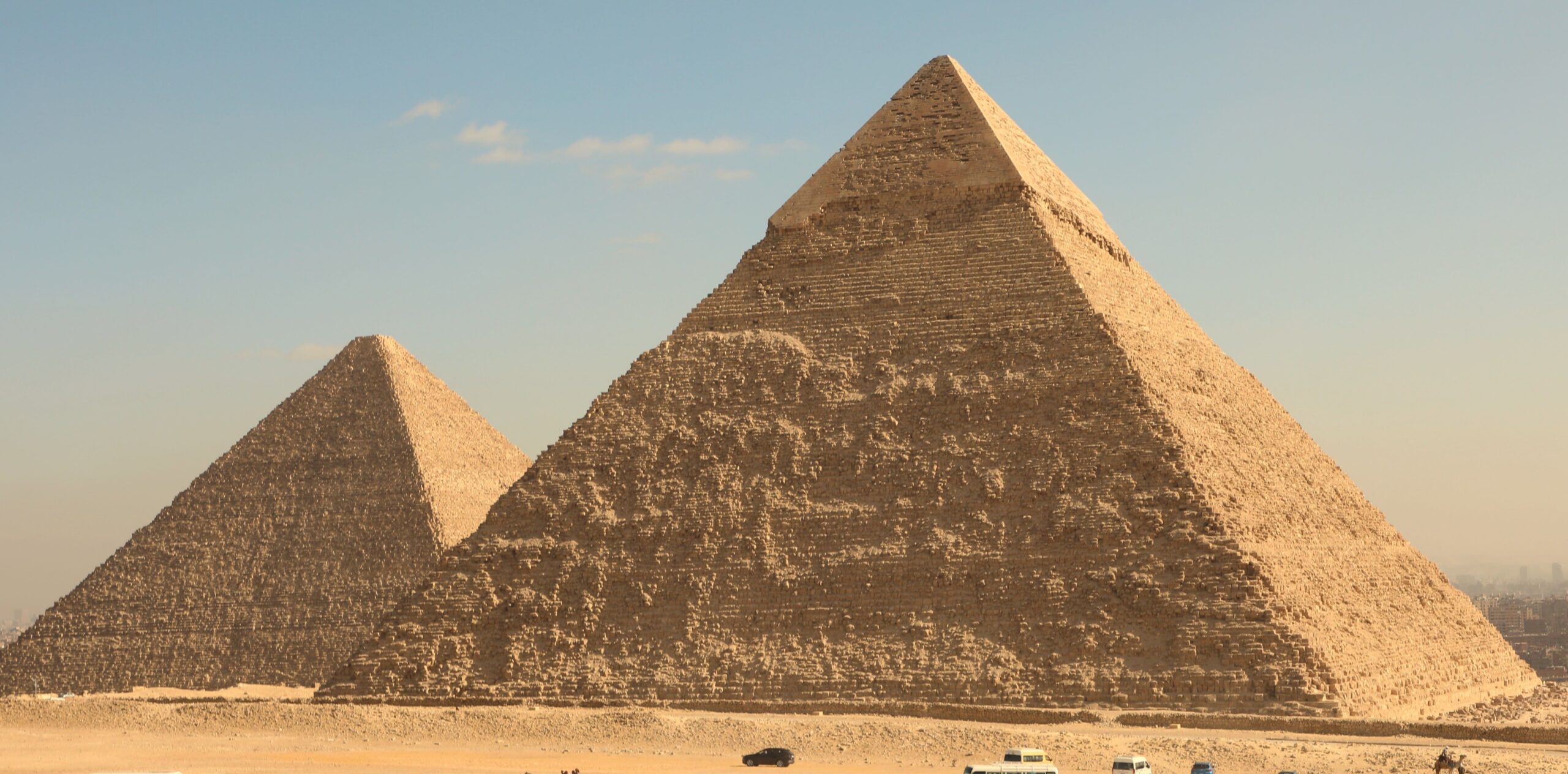
The Giza Pyramids
-

The Iconic Sphinx
-

Step Pyramid Of Saqqara
-
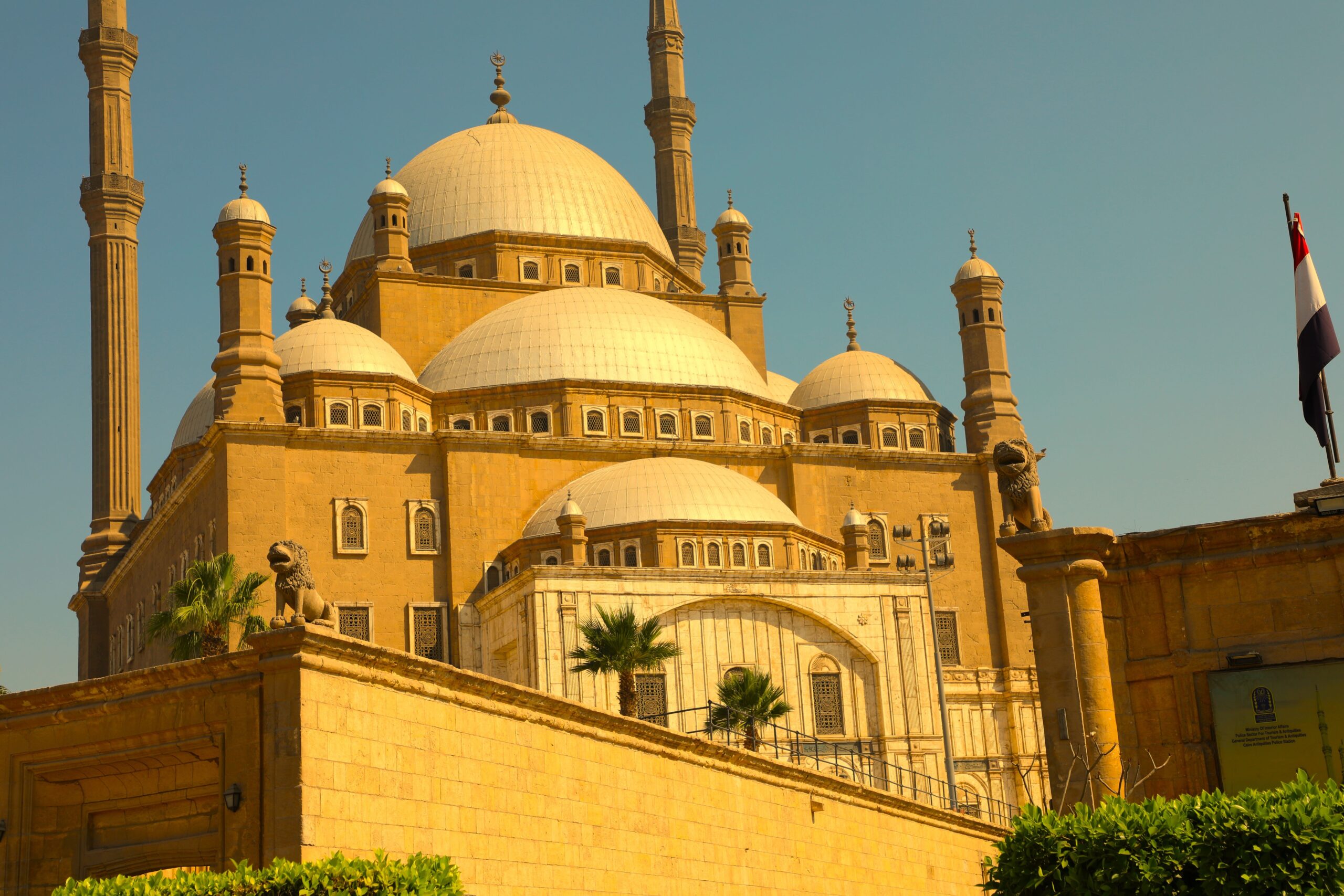
The Muhammad Ali Mosque
-
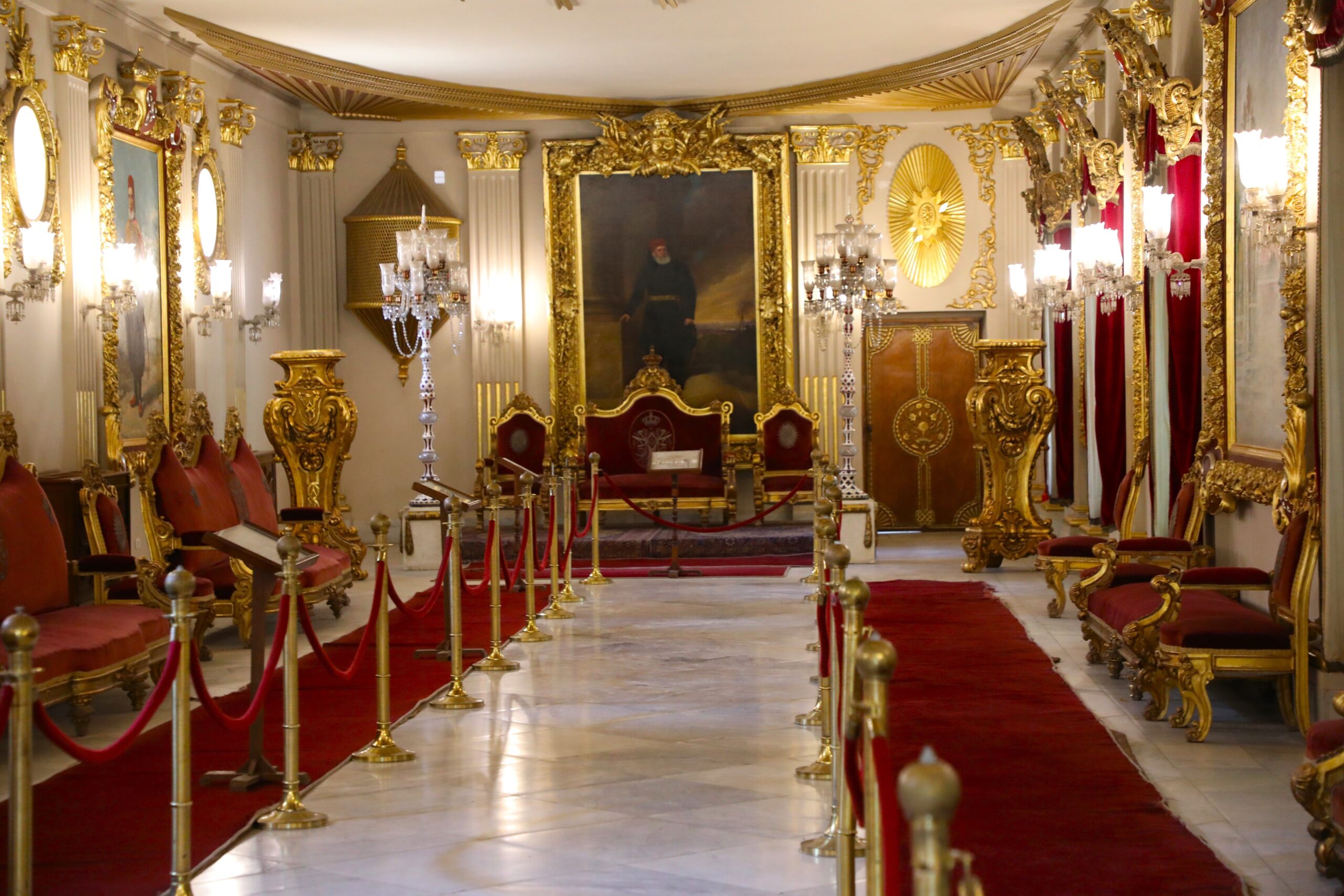
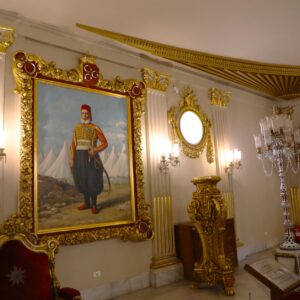
Manial Palaces Throne Room
-

The Mosque And Citadel
-

The GEM Is The Largest Museum In The World
-
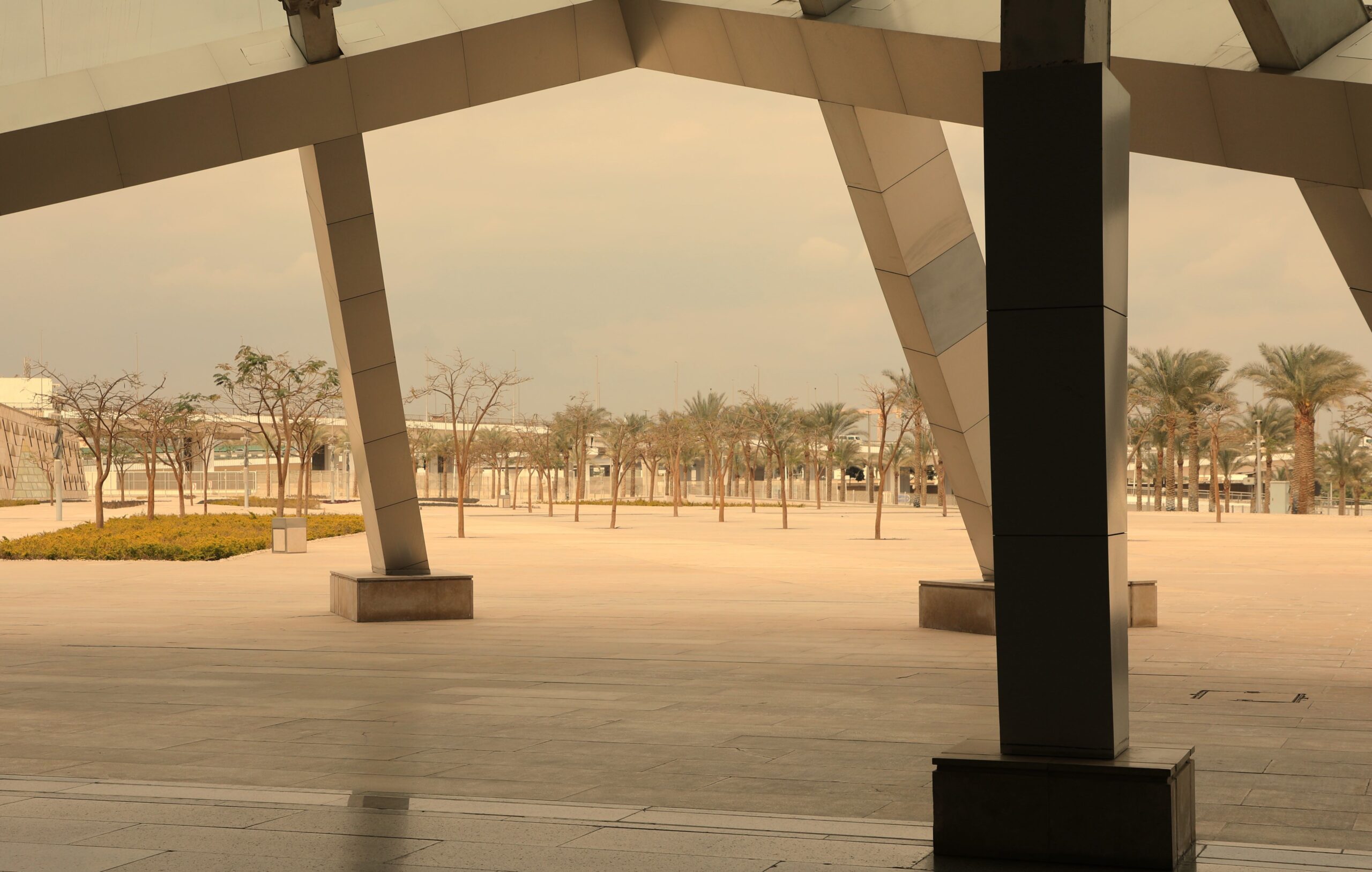
An Architectural Masterpiece
-

A Futuristic Entrance To Ancient Egypt

Ancient Egyptian Research Association
One Horizon Africa is a member of AERA. AERA brings together archaeologists and specialists from around the world to address questions regarding the origin, nature, and development of the Egyptian state. By becoming a member of AERA you support the training of young Egyptian archaeologists and the survey, mapping, excavation, and the analysis of archaeological sites. We encourage everyone to become a member and support the work of AERA.
Itinerary
Arrival Into Cairo
Our representative will be on hand to facilitate your transit through Customs and Immigration.
Transfers and Free Time
Our representative will accompany the group from the airport to the hotel, ensuring a smooth arrival, transfer and check-in process.
The remainder of the day is at leisure, giving students and staff time to settle in and prepare for the journey ahead.
 View Of Cairo From The Citadel
Giza, Memphis and Saqqara: Civilisation Begins in Stone
Key Visits: Pyramids of Giza, Sphinx, Memphis and Saqqara.
Learning Focus: State power, engineering, royal ideology and the interpretation of archaeological evidence.
Students begin with Egypt’s most iconic monuments, using Giza, Memphis and Saqqara to explore how early rulers expressed authority, belief and ambition through stone, scale and design.
 The Great Pyramid At Giza
The Iconic Sphinx
The Great Pyramid At Giza
The Iconic Sphinx
 The Stepped Pyramid Was The First Stone Pyramid
Dahshur, Saqqara and the Serapeum: Learning Through Experiment
Key Visits: Dahshur, Bent Pyramid, Red Pyramid, Pyramid of Unas and the Serapeum.
Learning Focus: Experimentation, innovation, burial beliefs, sacred animals and the idea of eternity.
In the 16-day programme, Dahshur and Saqqara are framed as a student laboratory in human problem-solving. The pyramids, Pyramid Texts and Serapeum show how ambition, belief and technical learning shaped ancient Egypt’s search for permanence.
 A Major Discovrery At Unas's Pyramid
 Serapeum Was A Sacred Place
 Sneferu's Second Build Was The Bent Pyramid
 Walking Around The Site Is Amazing
 The Perfect Pyramid Or Was It?
Coptic and Islamic Cairo: Shared Heritage, Sacred Space
Key Visits: Coptic Cairo, Old Cairo, the Citadel and the Muhammad Ali Mosque.
Learning Focus: Comparative religion, sacred space, community identity and continuity across centuries.
Students examine Cairo as a layered city where Christian, Jewish and Islamic histories sit in close conversation.
The day connects architecture, worship, memory and political authority within one of the world’s most historically rich urban landscapes.
The Muhammad Ali Mosque
The Mosque And Citadel
 Egypt (30)
 5 Magnificent Domes
Khan El Khalili, Manial Palace and Revolution: From Dynasties to Republic
Key Visits: Khan El Khalili, El-Fishawy Café and Manial Palace.
Learning Focus: Urban history, commerce, elite life, monarchy, nationalism and the birth of the republic.
The day moves from Cairo’s historic market streets to palace culture and modern political change, helping students understand how public life, private power and national identity evolved across centuries.
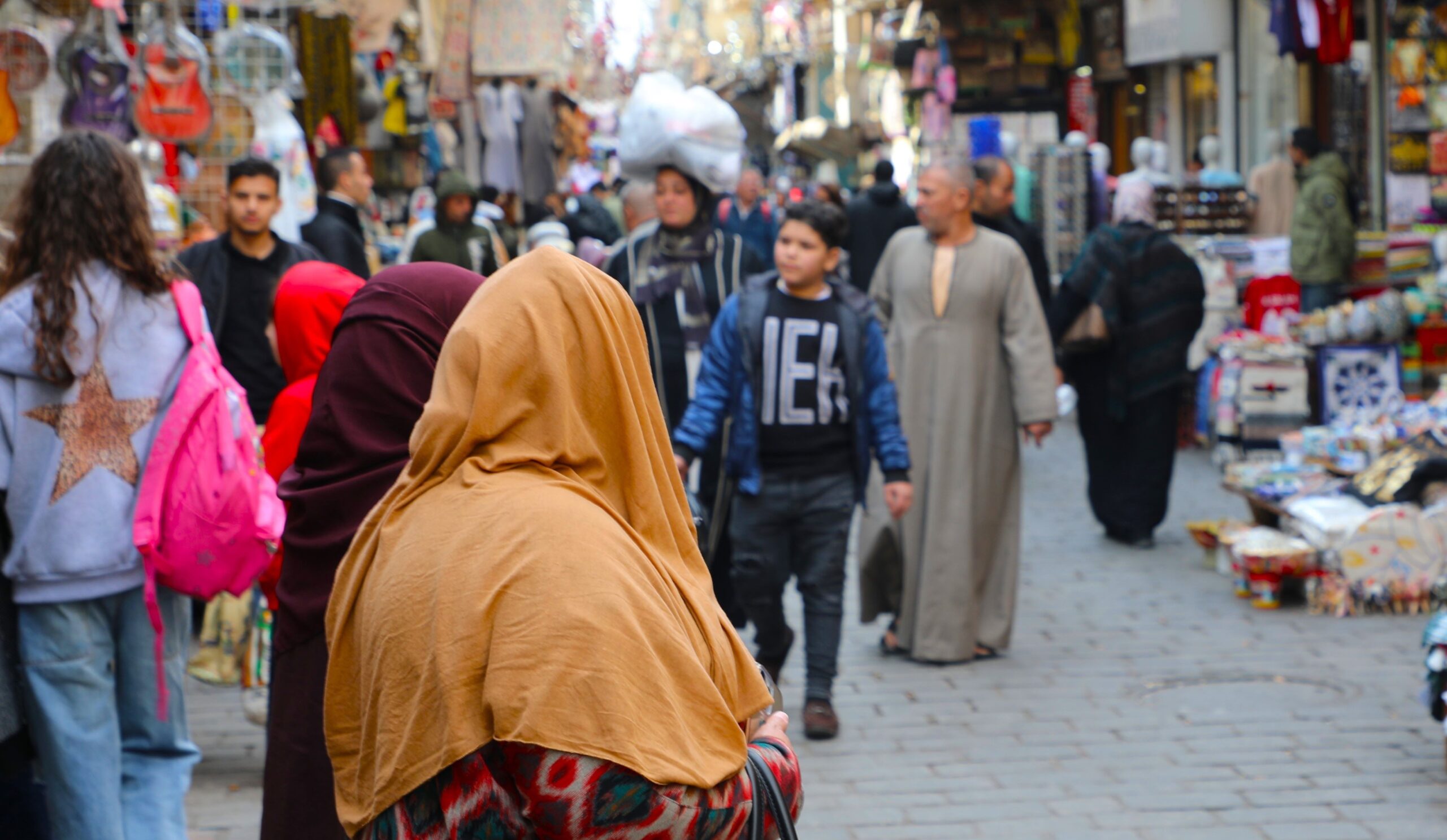 Khan El Khahilil Opened Since The 1400's
 Manial Palace And The Ruling Monarchy
 The Throne Room Of Manial Palace
 How The Ruling Family Lived!
 The Lifestyle Of The Royal Elite
The National Museum of Egyptian Civilisation and the Grand Egyptian Museum (GEM)
Key Visits: National Museum of Egyptian Civilisation and the Grand Egyptian Museum.
Learning Focus: Chronology, material culture, heritage presentation and national identity.
Students use Egypt’s major museums to connect artefacts, mummies, architecture and storytelling, considering how a civilisation is curated for modern audiences and how museums shape public understanding of the past.
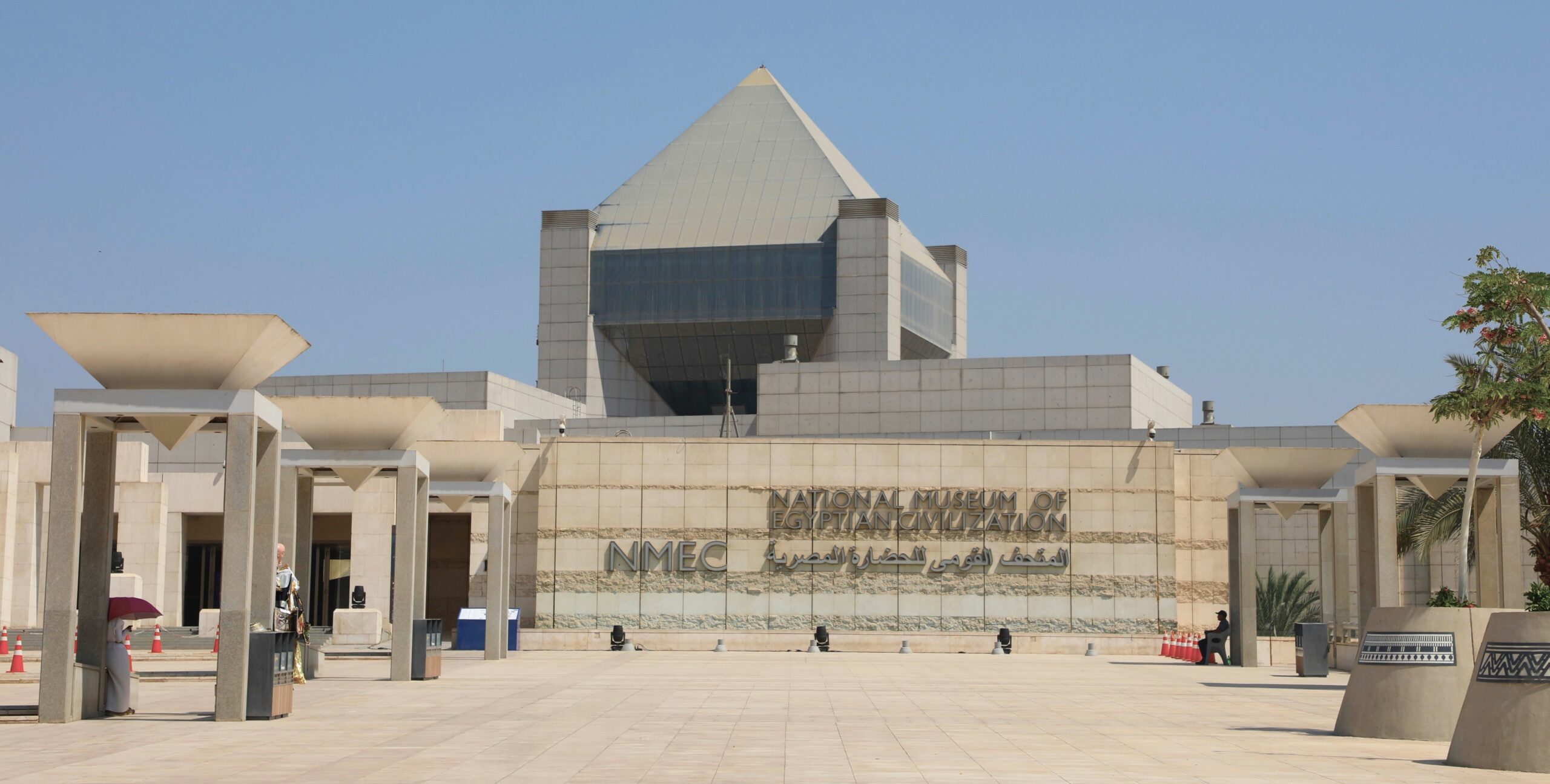 The National Museum Of Egyptian Civilization
A Futuristic Entrance To Ancient Egypt
The GEM Is The Largest Museum In The World
The National Museum Of Egyptian Civilization
A Futuristic Entrance To Ancient Egypt
The GEM Is The Largest Museum In The World
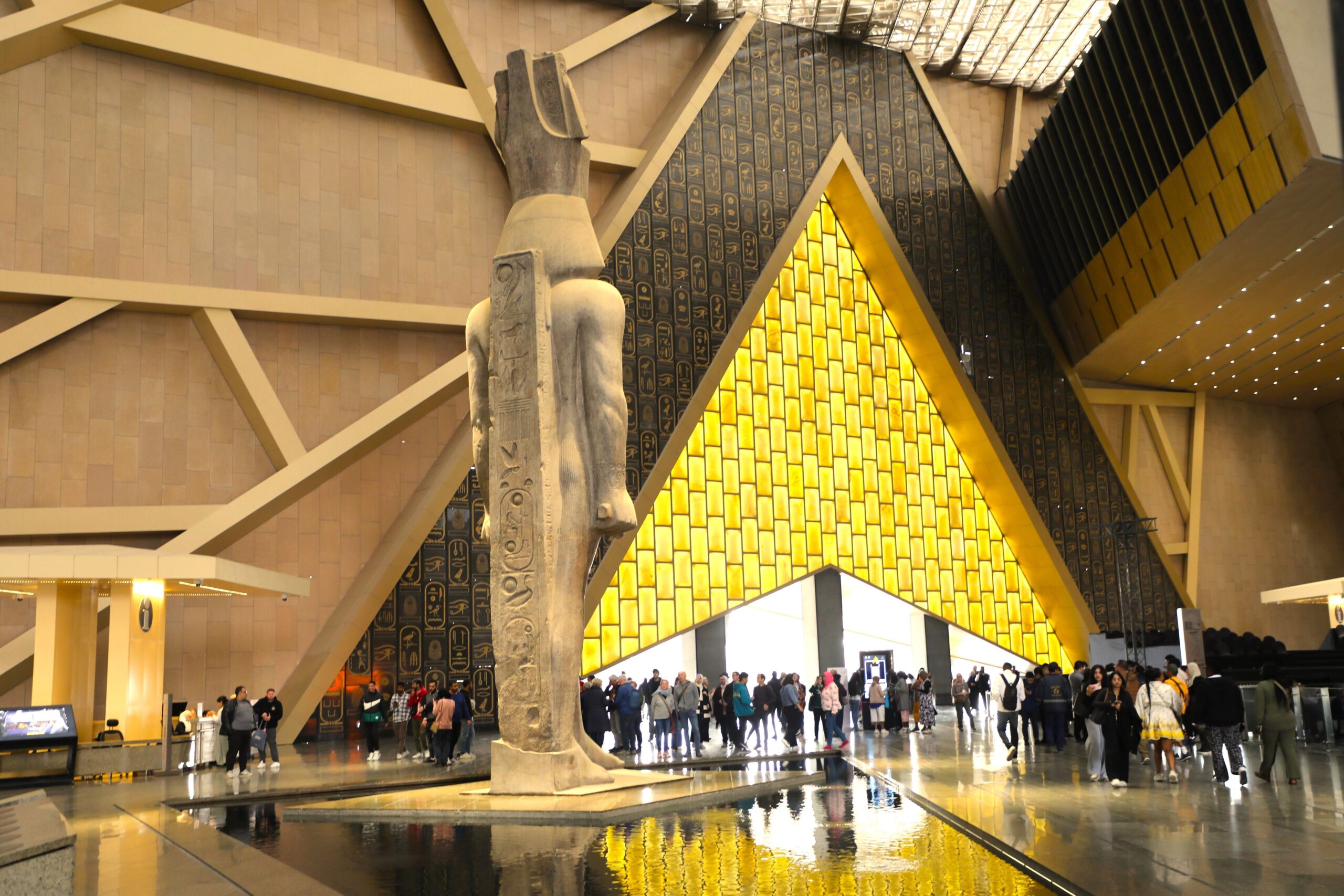 The Largest Museum In The World
The Artistry of Egypt
Key Visits: Museum of Islamic Art, Ramses Wissa Wassef Art Center and the Adam Henein Museum.
Learning Focus: Artistic inheritance, craftsmanship, design, creativity and cultural continuity.
This day connects Islamic decorative arts with modern Egyptian artistic expression, allowing students to explore how makers, architects and artists draw on the past while creating new forms of cultural identity.
 The Islamic Art Museum
 Magnificent Artefacts From Various Islamic Periods
 The Wissa Wassef Art Center
 Weaves Sought By Collectors Worldwide
 The Late Adam Henein
 Showcasing Brilliance And Creativity
Spanning 1000 Years
Key Visits: Mosque of Ibn Tulun and the Grand Mosque.
Learning Focus: Islamic architecture, sacred design, continuity and modern national vision.
Students compare early Islamic architectural traditions with a contemporary monumental mosque, considering how religious space communicates devotion, technical achievement and civic identity.
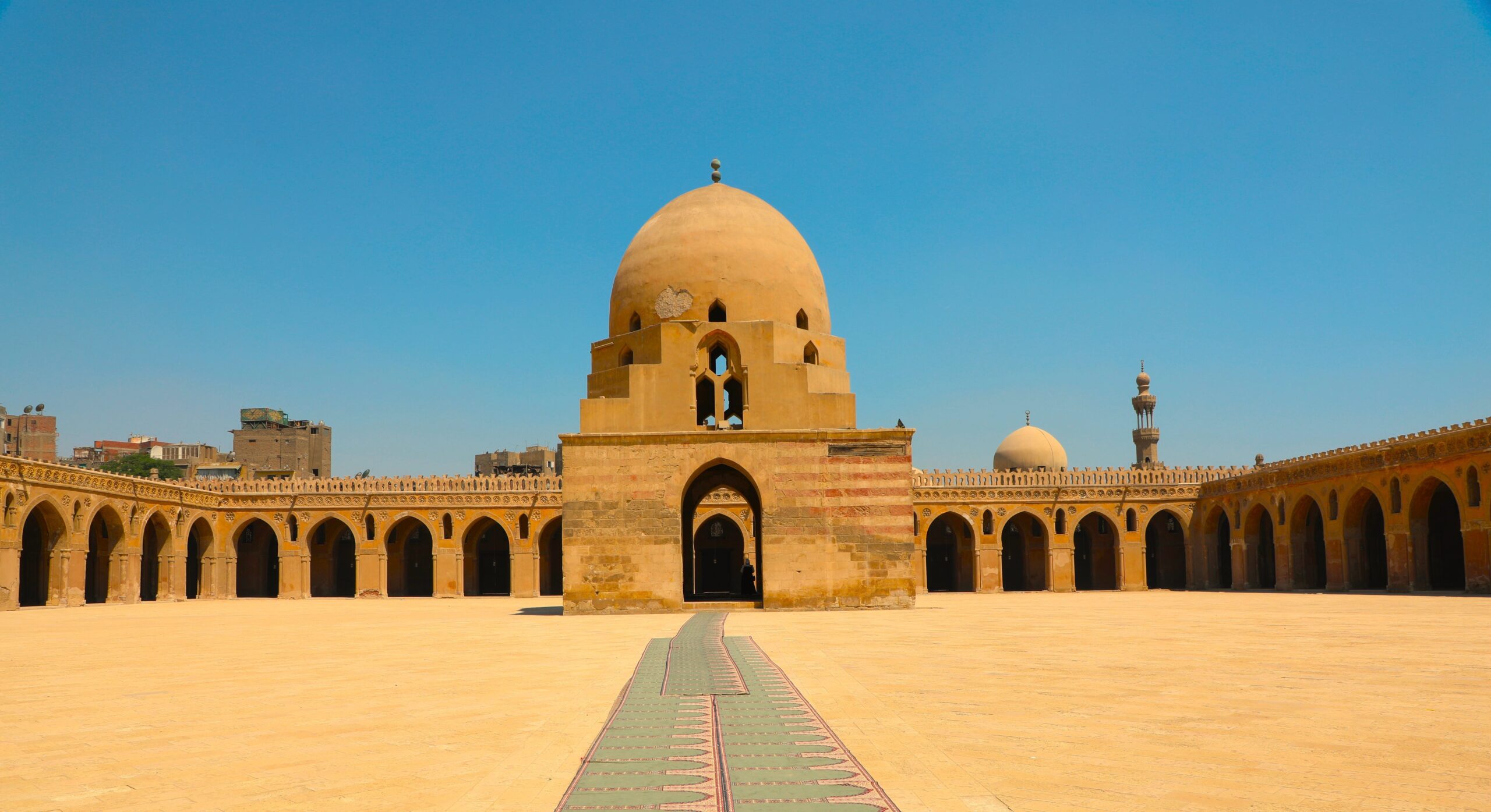 The IBN Tulum Mosque Is Over 1,100 Yrs Old
 It Still Is An Active Place Of Workship
 Reputed To Be Where Noah's Arc Settled
 The Only Mosque In Its Original Form
 The Grand Mosque Welcomes 130000 Worshippers
Cruising the Nile
Key Visits: Aswan High Dam, Elephantine Island, Philae Temple and felucca sailing.
Learning Focus: Nile geography, engineering, sacred landscapes and environmental dependence.
After flying to Aswan, students encounter the Nile as both an ancient lifeline and a modern engineering challenge, with Philae and the felucca experience adding powerful perspectives on belief, landscape and continuity.
 Cruising The Nile In Luxury
 Elephantine Island
Abu Simbel and Kom Ombo
Key Visits: Abu Simbel and Kom Ombo.
Learning Focus: Divine kingship, border power, temple design and heritage preservation.
Abu Simbel introduces students to royal image-making at Egypt’s southern frontier, while Kom Ombo reveals the ritual and symbolic complexity of a double temple dedicated to Sobek and Horus.
Cruising The Nile In Luxury
 Abu Simbel Temple
Karnak and Luxor
Key Visits: Karnak Temple, Luxor Temple and the Avenue of the Sphinxes.
Learning Focus: Temple religion, ritual procession, sacred space and political theology.
The great temples of Luxor allow students to examine how architecture, festivals and sacred geography expressed the relationship between gods, rulers and society in the New Kingdom.
Cruising The Nile In Luxury
 The Great Temples Of Luxor And Karnak
Valley of the Kings
Valley of the Kings
Key Visits: Valley of the Kings, Deir el-Medina and the Temple of Hatshepsut.
Learning Focus: Funerary belief, artisanship, gender, authority and the making of royal memory.
This day brings students into the royal and working landscapes of ancient Thebes, combining tombs, workers’ lives and Hatshepsut’s temple to explore power, labour, identity and legacy before the journey continues to the Red Sea.
Transfers and Flights: Transfer to the airport for your flight to Cairo and onward connection to Sharm El Sheikh.
 The Valley Of The Kings
 Hatshepsut Mortuary Temple In Luxor
 And Then You Go To Sharm El Seik
Sharm El Sheikh: The Red Sea Classroom
Key Visits: Flight to Sharm El Sheikh and resort arrival.
Learning Focus: Transition, reflection, wellbeing and the geography of the Red Sea.
The group travels from the Nile Valley to the Red Sea, shifting from ancient monuments to a new landscape of desert, coast and marine life.
The afternoon is deliberately unstructured, allowing students to rest, reflect and settle into the Red Sea setting.
And Then You Go To Sharm El Seik
 Great Place To Catch The Sun
 Beaches Galore And Magical
Sharm El Sheikh: The Red Sea Classroom
Key Visits: Flight to Sharm El Sheikh and resort arrival.
Learning Focus: Transition, reflection, wellbeing and the geography of the Red Sea.
The group travels from the Nile Valley to the Red Sea, shifting from ancient monuments to a new landscape of desert, coast and marine life.
The afternoon is deliberately unstructured, allowing students to rest, reflect and settle into the Red Sea setting.
And Then You Go To Sharm El Seik
 Great Vistas
 Always Relaxing
Red Sea Reflection: Wellbeing, Geography and Student Growth
Key Visits: Resort time, beach setting and optional local or nature-based activities.
Learning Focus: Wellbeing, reflection, geography, conservation and student growth.
This intentionally relaxed day allows students to consolidate the journey from Cairo to the Nile and the Red Sea.
Optional activities may connect the group with coastal ecosystems, protected landscapes and the meeting point of desert and sea.
And Then You Go To Sharm El Seik
 Egypt (570)
 Egypt (567)
Cairo Bound and International Departures
Key Visits: Flight connections and international departures.
Learning Focus: Reflection, synthesis and departure.
Departure arrangements are coordinated according to the group’s flight schedule, bringing the extended educational journey from Cairo, the Nile and the Red Sea to a close.
End of Tour
 Returning To Cairo
 And Perhaps Some Last Minute Shopping
Inclusions
Egypt
Cairo
- 7 x nights’ accommodation at the 5 star Marriott Hotel (Nile River) – or equivalent subject to availability
- Breakfast and lunch each day
- All site seeing as outlined in the itinerary (including entry fees)
Domestic Air Flights
- Cairo /Aswan
- Luxor /Sheik El Sharm
- Sheik El Sharm/Cairo
Nile Cruise
- 3 x nights’ accommodation on 5 Deluxe Star Nile Cruise Vessel
- Full Board – Breakfast, Lunch and Dinner
- Day excursion to Abu Simple Temple
- All other tours on Nile Cruise as outlined in itinerary
Sheik El Sharm
- 4 x nights’ accommodation at Movenpick 5 Star Resort (or equivalent) subject to availability
- Breakfast each day
Greet and Assist and Ground Transfers
- All ground transfers in Cairo, Luxor and Aswan as per itinerary in private modern vehicle
- All entrance fees, service charge, current taxes, and vat.
- A meet and assist by our local representatives in Cairo, the Nile Cruise and Sheik El Sharm as well as on departure from Cairo
- Services of an English-speaking guide
Exclusions
-
- Dinners Days 2-8 and 12-15
- Alcoholic drinks
- Tips
- Visa
Video
FAQ's
Q1. Are students grouped according to age?
Answer: Yes. To ensure the program is age-appropriate, supportive and engaging, students participate in one of two groups:
- High school students aged 14 to 17 years
- College and university students aged 18 to 23 years
Q2. Do students aged 14 to 17 years need to be accompanied by a teacher, parent or guardian?
Answer: Yes. As part of our duty of care, students aged 14 to 17 years must be accompanied by an adult nominated by the school or institution. In most cases, this is a teacher or school-appointed staff member who acts as the lead contact and supports the management of the student group throughout the program.
Q3. Do college and university students aged 18 to 23 years need to be accompanied by a teacher, parent or guardian?
Answer: No. College and university students are not required to be accompanied by a teacher, parent or guardian. However, One Horizon requires a nominated point of contact for the group to support communication, coordination and liaison throughout the program.
Q4. Where do students and accompanying staff stay during their program?
Answer: Students and accompanying staff stay in 4- to 5-star international hotel accommodation for the duration of the program. The first two days of the program are conducted at the hotel, providing a comfortable and well-supported environment for orientation, learning and preparation. Accommodation is arranged on a twin-share basis.
Q5. How are students transported to community visits and program activities?
Answer: Students are transported in private, air-conditioned vehicles operated by One Horizon. The facilitators delivering the program also accompany students during daily activities, providing continuity, guidance and supervision throughout the experience.
Q6. Can parents contact their child during the program?
Answer: Parent communication is managed in accordance with the policies of the participating school or institution. One Horizon also provides 24-hour contact details, including mobile numbers and email addresses, so students can be reached if required. Internet connectivity is available at program venues and in the vehicles used to transport students and staff.
Q7. What meals are provided during the five-day program?
Answer: One Horizon caters for a wide range of dietary requirements, including vegetarian, vegan and familiar Western-style meal options. Meals are prepared with fresh, healthy ingredients and are provided through the hotel where students and staff are staying. Evening meals also include selected well-regarded Nairobi restaurants, giving students an additional opportunity to experience the city in a safe and structured way.
Q8. Is travel and health insurance required?
Answer: Yes. Appropriate travel and health insurance is required for student participation in the program. Schools, institutions, parents and guardians should ensure that each participant has suitable coverage before travel.
Q9. Does One Horizon have public liability and professional indemnity insurance?
Answer: Yes. One Horizon maintains insurance coverage that includes public liability and professional indemnity insurance. Copies of relevant policy documentation can be provided upon request.
Q10. What distinguishes One Horizon and this experience?
Answer: Our purpose-led approach and on the ground experience, gives students meaningful insight into community development, resilience and sustainable change. One Horizon’s mission and work are captured in the video ‘What We Do’.


 One Horizon Egypt
 @onehorizonkenya
 onehorizonkenya