Educational: Egypt -Total Solar Eclipse 2027 (8 Days)
Egypt, the World’s Most Compelling Classroom
Overview
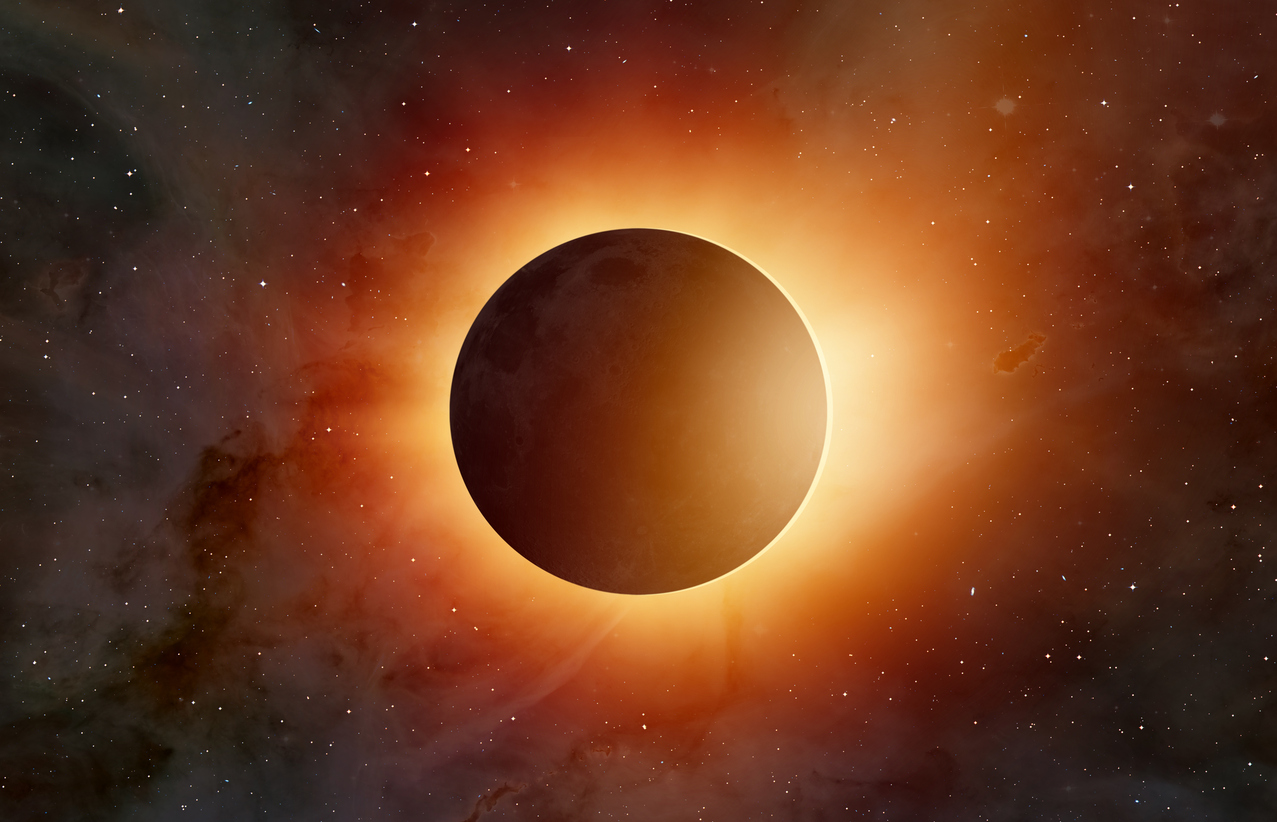
On 2 August 2027, Egypt will become one of the world’s most compelling classrooms as a total solar eclipse sweeps across North Africa and the Middle East.
Near Luxor, totality is expected to last approximately 6 minutes and 22 seconds, placing students and educators at the heart of a rare astronomical event that connects science, geography, history, mythology, mathematics, photography, climate, and cultural studies.
Designed for educators and students, this journey combines the wonder of eclipse totality with Egypt’s extraordinary ancient landscapes. The programme can be shaped as a land-based Luxor itinerary, a Nile cruise experience, a Cairo-plus-Luxor educational extension, or a Red Sea resort programme with eclipse viewing from selected coastal locations.
Educational Focus
- Astronomy and space science: Understanding the mechanics of solar eclipses, orbital alignment, solar corona, safe observation, and eclipse timing.
- Earth science and geography: Mapping the path of totality, studying weather probability, desert climates, and the influence of location on scientific observation.
- Ancient civilizations: Exploring how solar cycles, celestial observation, and temple alignments shaped Egyptian religious, political, and architectural life.
- Mathematics and data literacy: Interpreting eclipse maps, calculating duration, comparing viewing locations, and evaluating risk factors such as heat, visibility, and crowd movement.
- Student reflection and communication: Encouraging journals, photography, sketching, observation logs, and post-travel presentations back in the classroom.
Why Egypt, Why 2027?
The 2027 eclipse offers a remarkable convergence: a long-duration total solar eclipse, historically clear skies across Upper Egypt, and a setting rich in solar symbolism.
Luxor, ancient Thebes, is home to temples, tombs, and sacred landscapes where the movement of the sun was central to daily life, kingship, ritual, and ideas of eternity. For students, this creates a rare opportunity to experience science not as an isolated subject, but as a living bridge between observation, culture, and human imagination.
Gallery
Itinerary
More Than a Total Eclipse
It is an educational journey into the relationship between sky and civilization, between observation and belief, and between modern science and ancient wonder. For educators and students, Egypt 2027 offers a rare chance to stand beneath the moon’s shadow while surrounded by one of humanity’s greatest cultural landscapes. And it won’t be repeated for the next 100 years
Viewing Options
Option 1: Luxor Land-Based Eclipse Experience
Luxor is the flagship option for groups seeking the strongest educational connection between astronomy and ancient Egyptian civilization. Viewing may be arranged from a carefully selected private site, hotel terrace, West Bank location, temple-adjacent area, or open desert setting depending on permissions, crowd control, and safety conditions. This option offers the most powerful blend of curriculum, history, and eclipse duration.
Option 2: Luxor Eclipse from a Nile Cruise Vessel
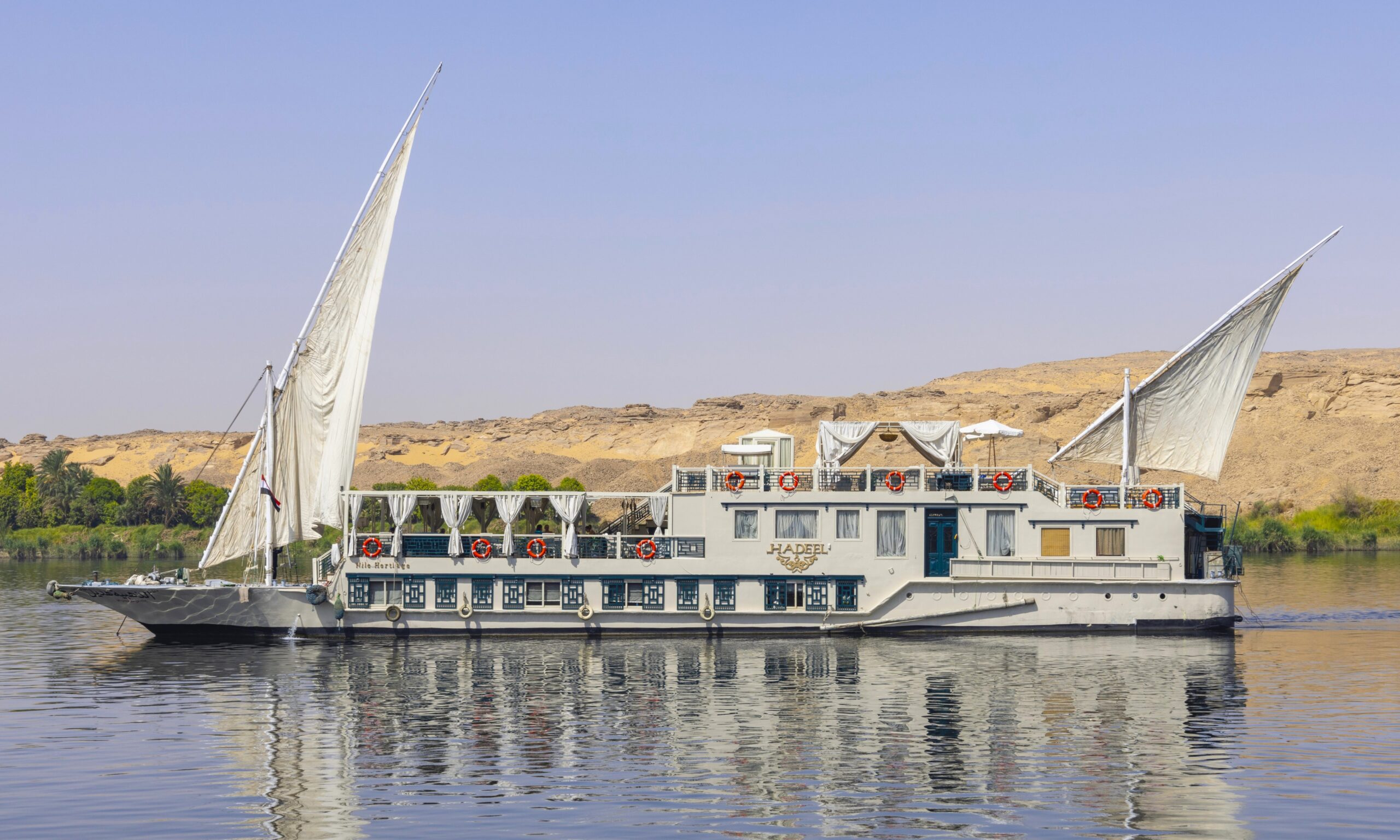
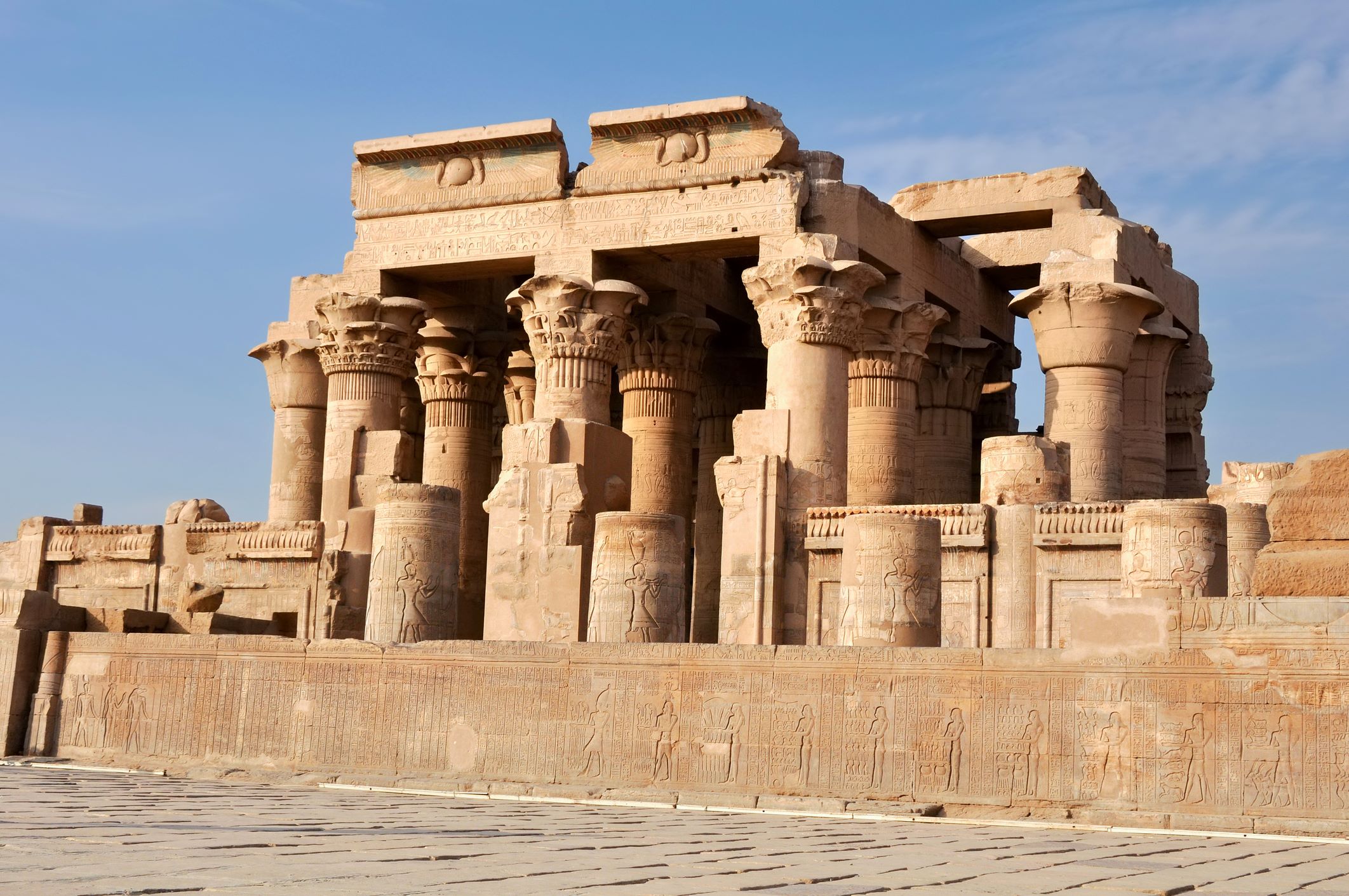
A Nile cruise option creates a memorable floating classroom, combining Aswan, Kom Ombo, Edfu, Esna, and Luxor with on-board lectures and guided fieldwork. Eclipse viewing from a cruise vessel or designated riverside location may offer excellent group control, comfort, and atmosphere, though final arrangements should be confirmed against river traffic rules, local permissions, and visibility requirements.
Option 3: Cairo Educational
Cairo itself is expected to experience a very deep partial eclipse rather than the full Luxor-duration totality, so groups whose priority is the full eclipse should combine Cairo with Luxor or another location inside the path of totality.
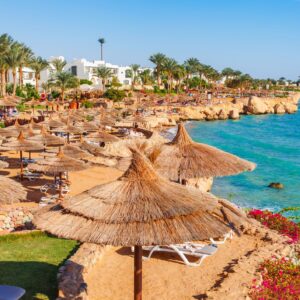
Option 4: Red Sea Resort Extension – Sharm El Sheikh or Hurghada
A Red Sea extension can add marine science, ecology, coral reef studies, climate, and recreation to the journey. Hurghada and Sharm El Sheikh are attractive for student-friendly resort infrastructure, beach activities, and optional snorkelling or conservation themes. Because eclipse conditions vary by exact location, resort-based groups should confirm whether the selected property lies within the desired viewing zone or plan a dedicated transfer to a confirmed totality-viewing site.
Arrive in Cairo: Welcome to Egypt
Our representative will be on hand to facilitate your transit through Customs and Immigration.
Transfers and Free Time
The representative will travel with you from the airport to your hotel to ensure a smooth transition and booking process. Time to rest up in preparation for the start of your trip.
 View Of Cairo From The Citadel
Cairo: Civilisation, Engineering and the Cosmos
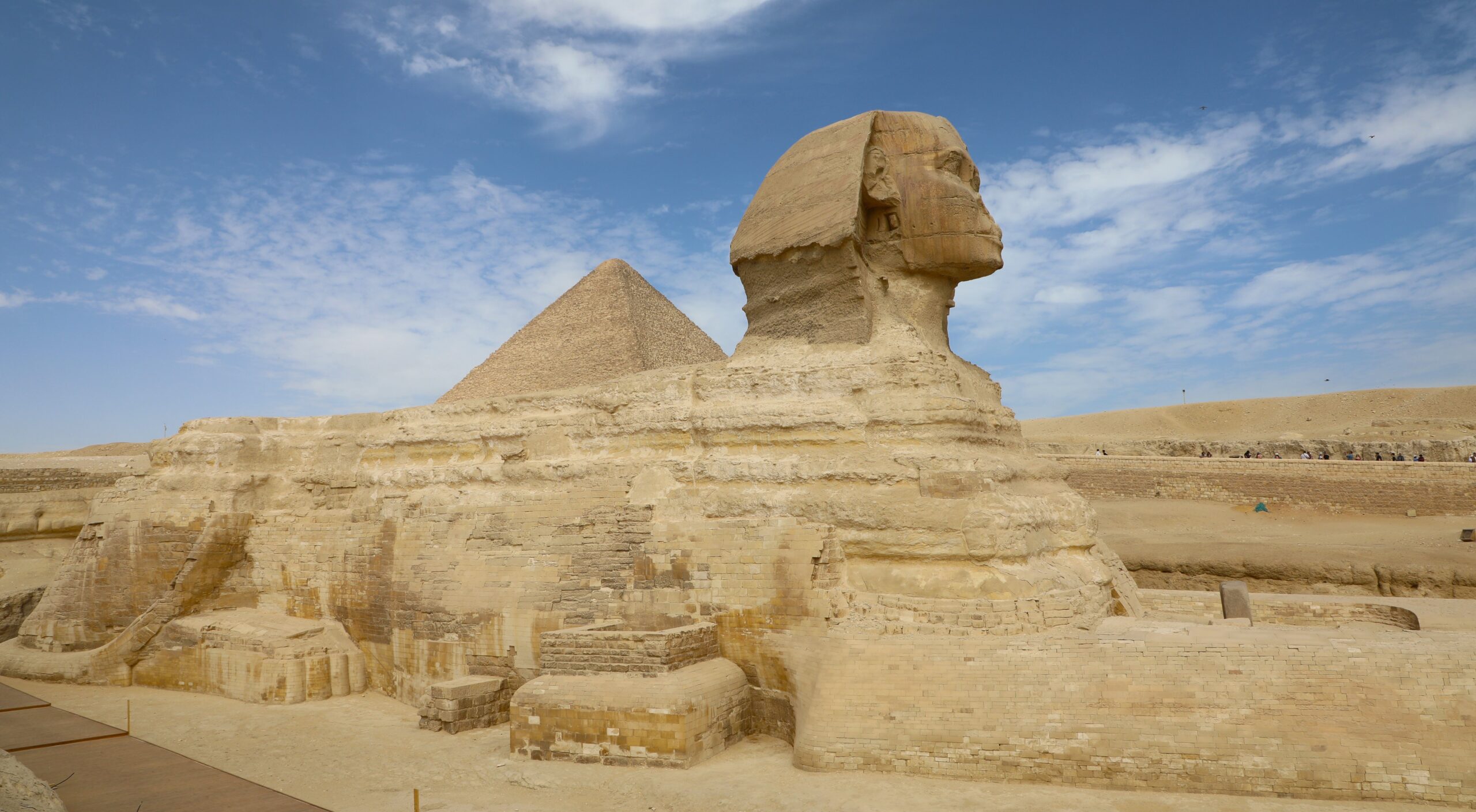
Visit the Giza Plateau, the Sphinx, and Saqqara.
Learning emphasis: scale, geometry, ancient engineering, and sky observation in early civilizations.
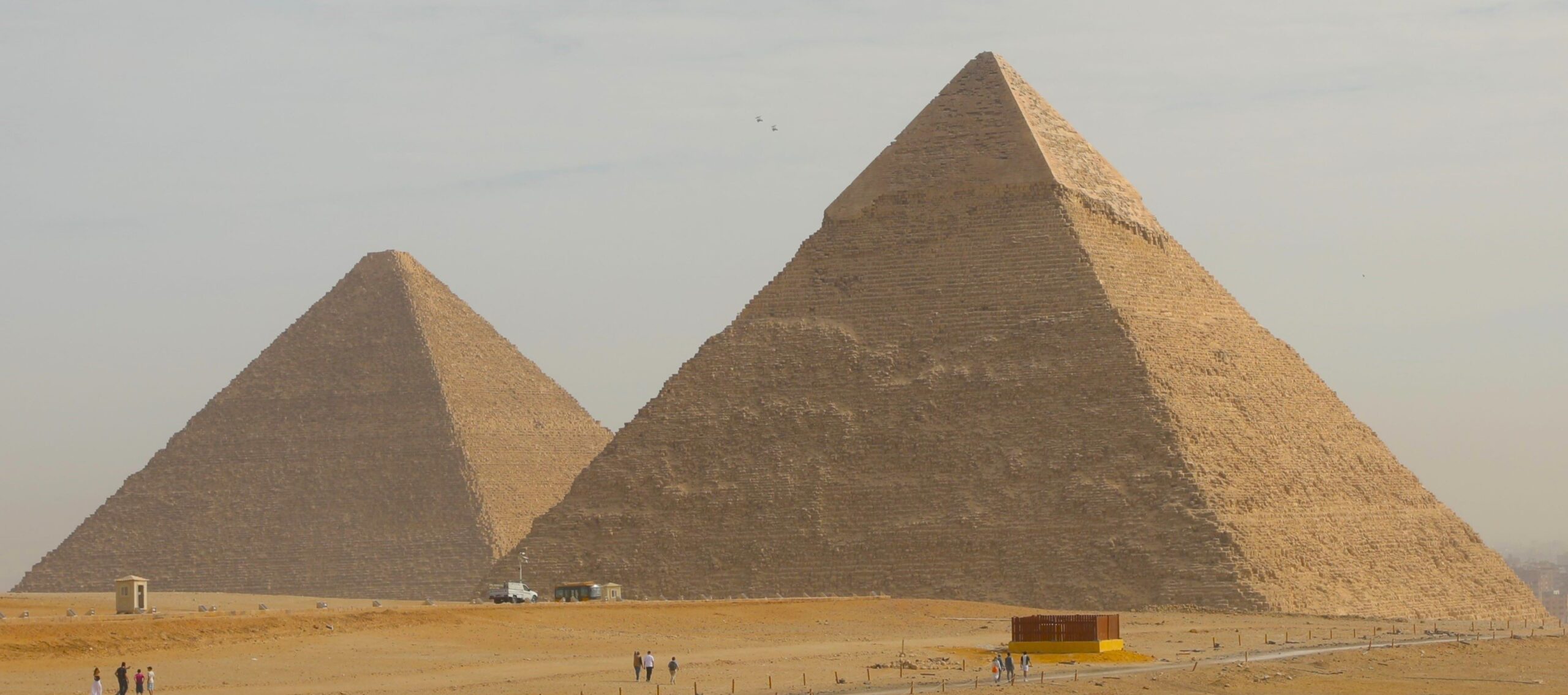
The Pyramids of Giza, the ultimate act of devotion. Today, we start with perhaps the greatest monuments to Egyptian faith, ingenuity and achievement of any civilisation – the pyramids of Giza.
The pharaohs Khufu, Khafre and Menkaure were the builders of the Giza Pyramids which have stood for over 4500 years. They are a testament to ancient Egyptians’ engineering skills and also to their grandfather, Sneferu . Sneferu had built 3 pyramids in his lifetime and without him, the Giza Pyramids would not have been built. But many mysteries remain.
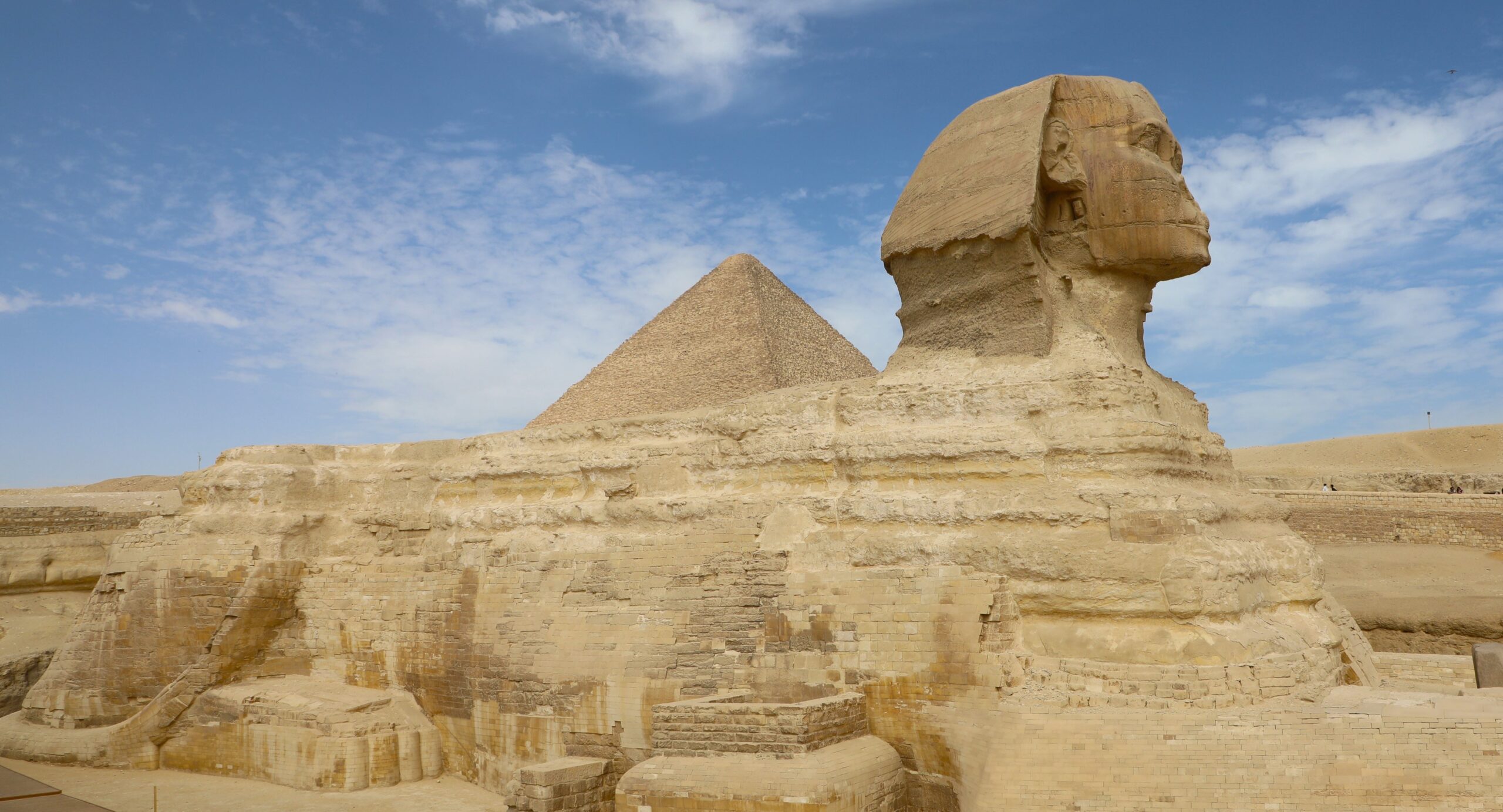
Similarly, the Sphinx has many mysteries as their are no inscriptions which identify the builder and its purpose. It’s an amazing edifice which we know little about.
Saqqara – The Saqqara area is the most researched archaeological site in Egypt with recent excavations uncovering new tombs previously unknown.
The Stepped Pyramid was the first stone building in all of history and the tallest construction in the world up until the mid 19th century. Beneath it are 4 miles of tunnels and over 400 chambers.
 Magnificent Close Up Views
 The Largest Sculpture In The World
 Saqqara Is Still Revealing Its Secrets
 Discovered Tombs In Saqqara
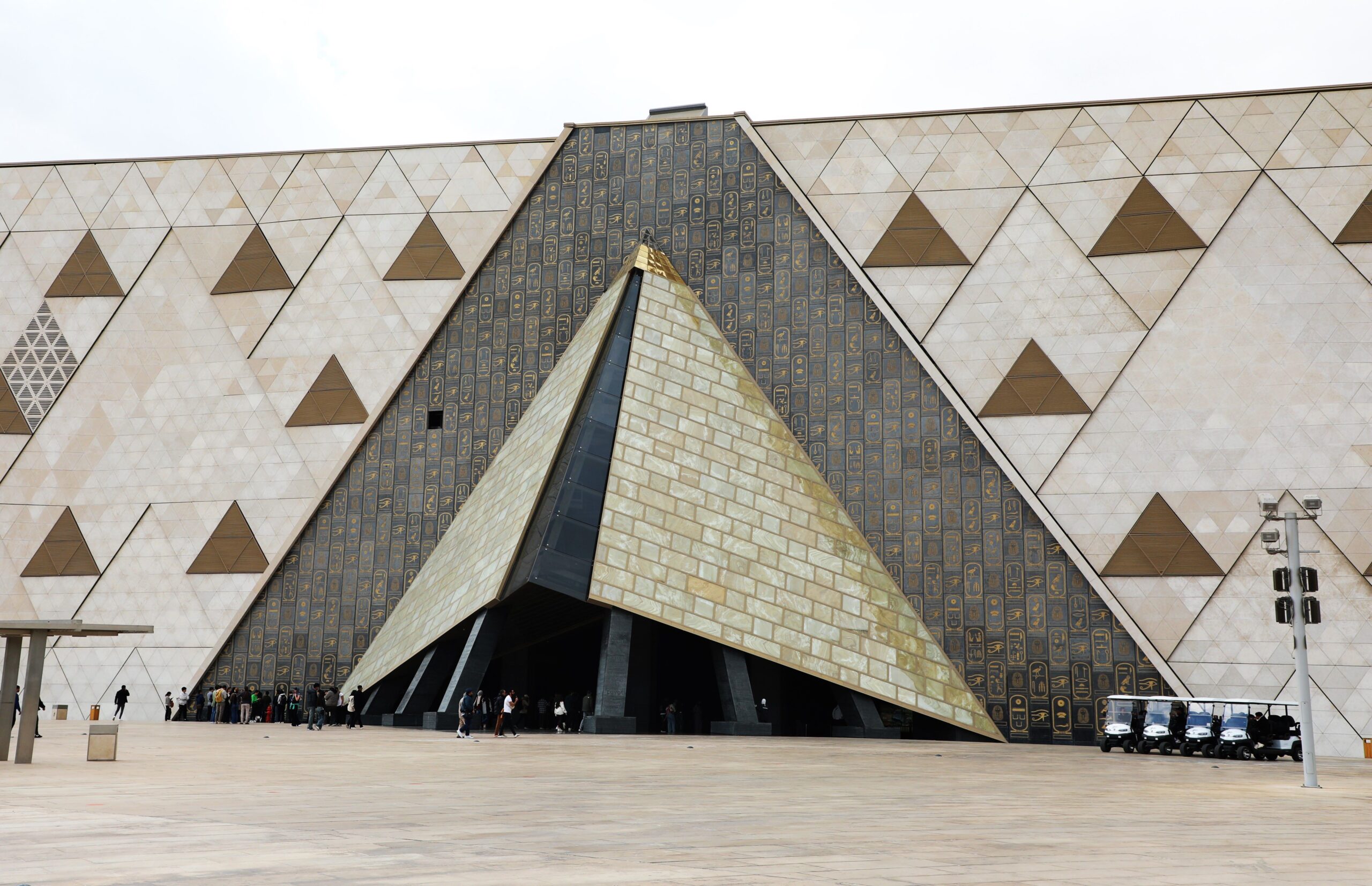
Grand Egyptian Museum and Khan El Khalil Bazaar
The Museum displays around 100,000 ancient artifacts spanning 7,000 years of Egyptian history. The main galleries are divided into four eras: predynastic and Old Kingdom, Middle Kingdom, New Kingdom, and Greco-Roman.
The main attraction is the full tomb collection of King Tutankhamun. The collection includes about 5,000 items and was relocated from the Egyptian Museum in Cairo.
In August 2021, the reconstructed Khufu ship, a solar barque, was relocated to the Grand Egyptian Museum from the Giza Solar Boat Museum beside the Great Pyramid.
The Statue of Ramesses II occupies the largest central atrium in the museum. In 2006, the 3,200–year–old Statue of Ramesses II was relocated from Ramses Square in Cairo to the Museum. It was moved to the atrium of the museum in January 2018. and weighs 83 tons.
The Khan El Khalili Bazaar has been open 24 hours a day and has been since the 1400’s.
With hundreds of store holders within its precincts, the winding alleys reveal something around each corner. It attracts a cross section of Egyptians and is a truly incredible cultural experience. It was formerly the precinct of the Fatimid ruling family.
 The Grand Egyptian Museum
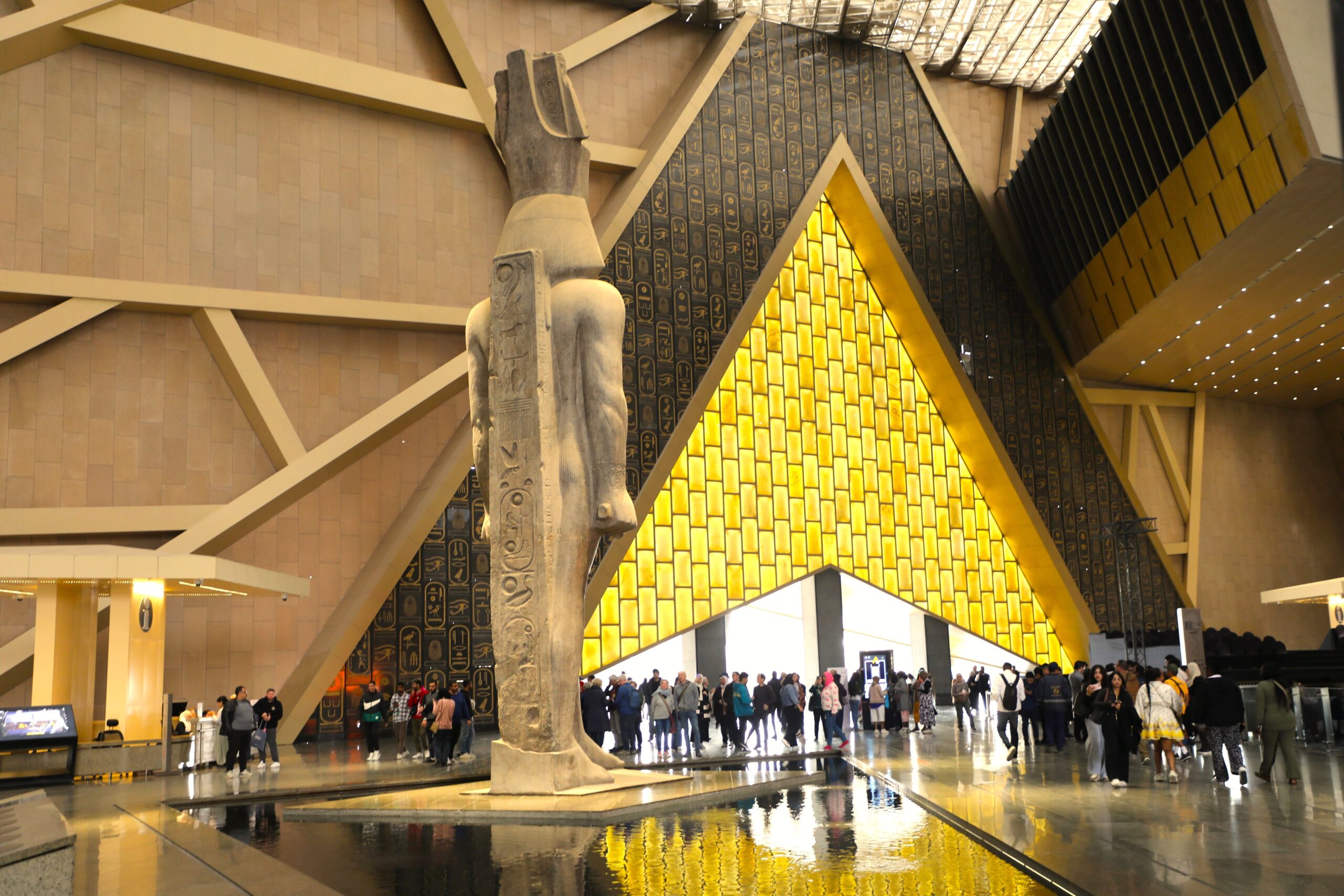 The Grand Egyptian Museum
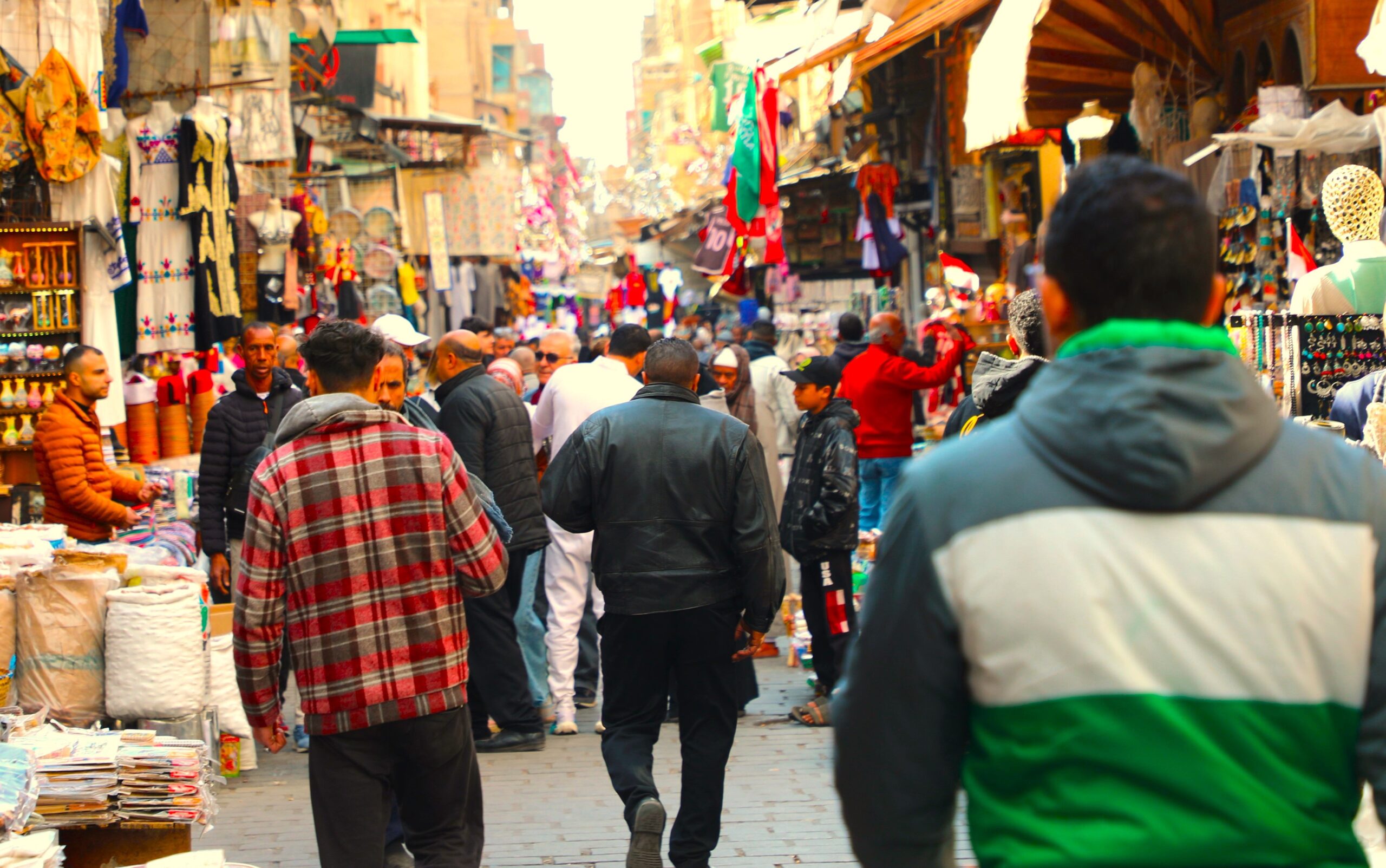 Egypt (984)
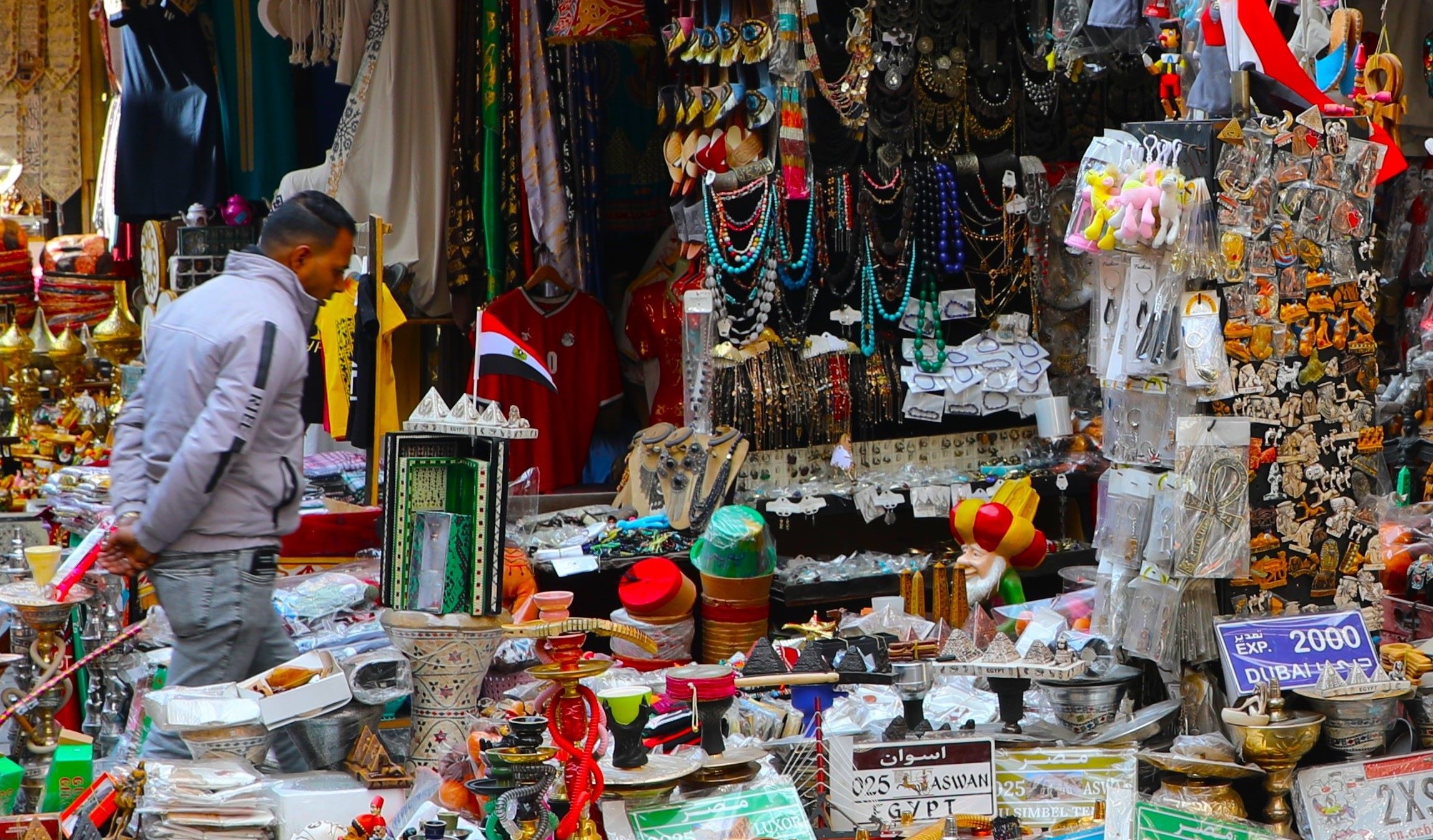 Egypt (745)
Fly to Luxor
Travel to Upper Egypt and begin the Luxor field-study programme.
Afternoon orientation on the Nile, temple landscapes, and eclipse-day logistics.
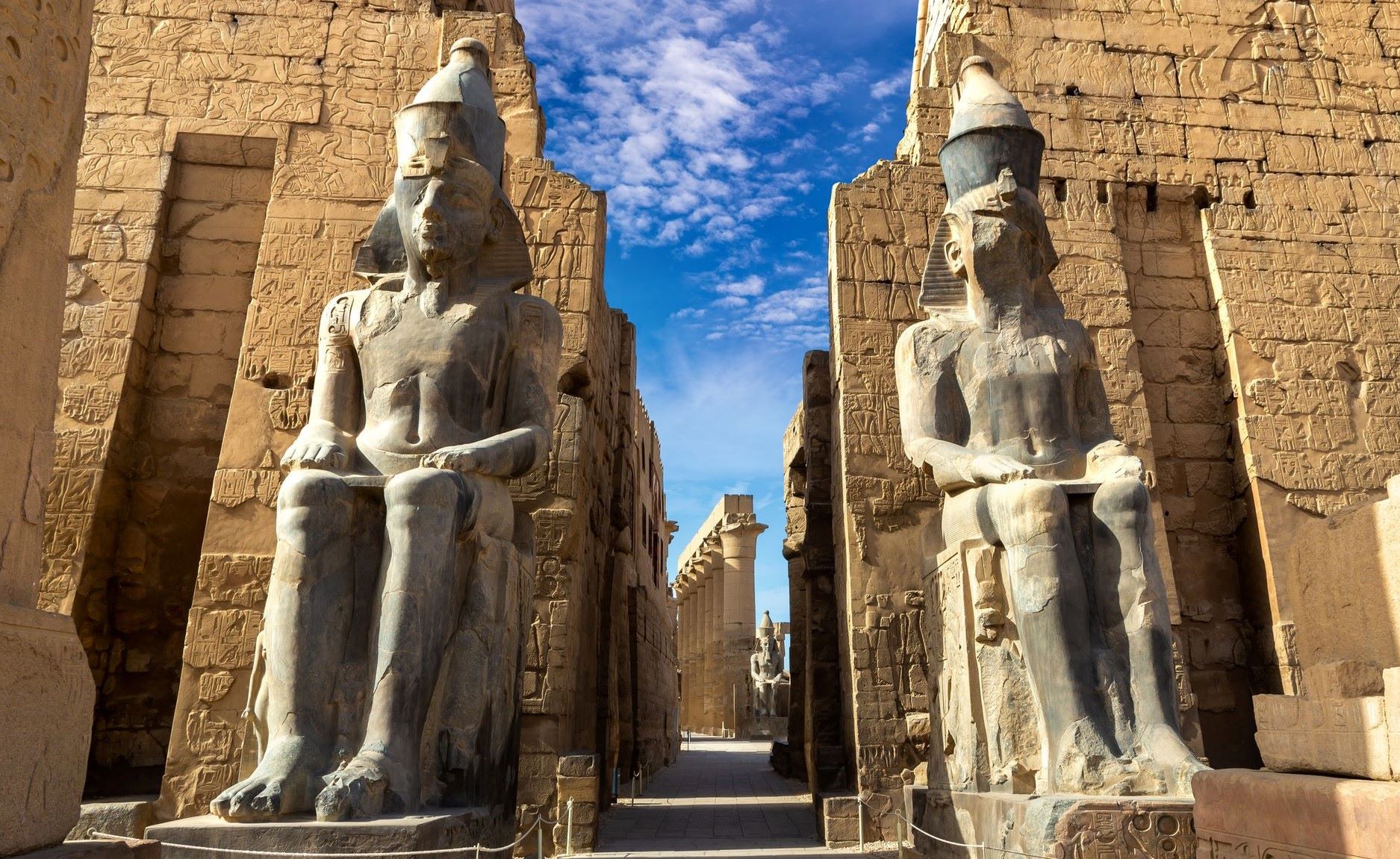
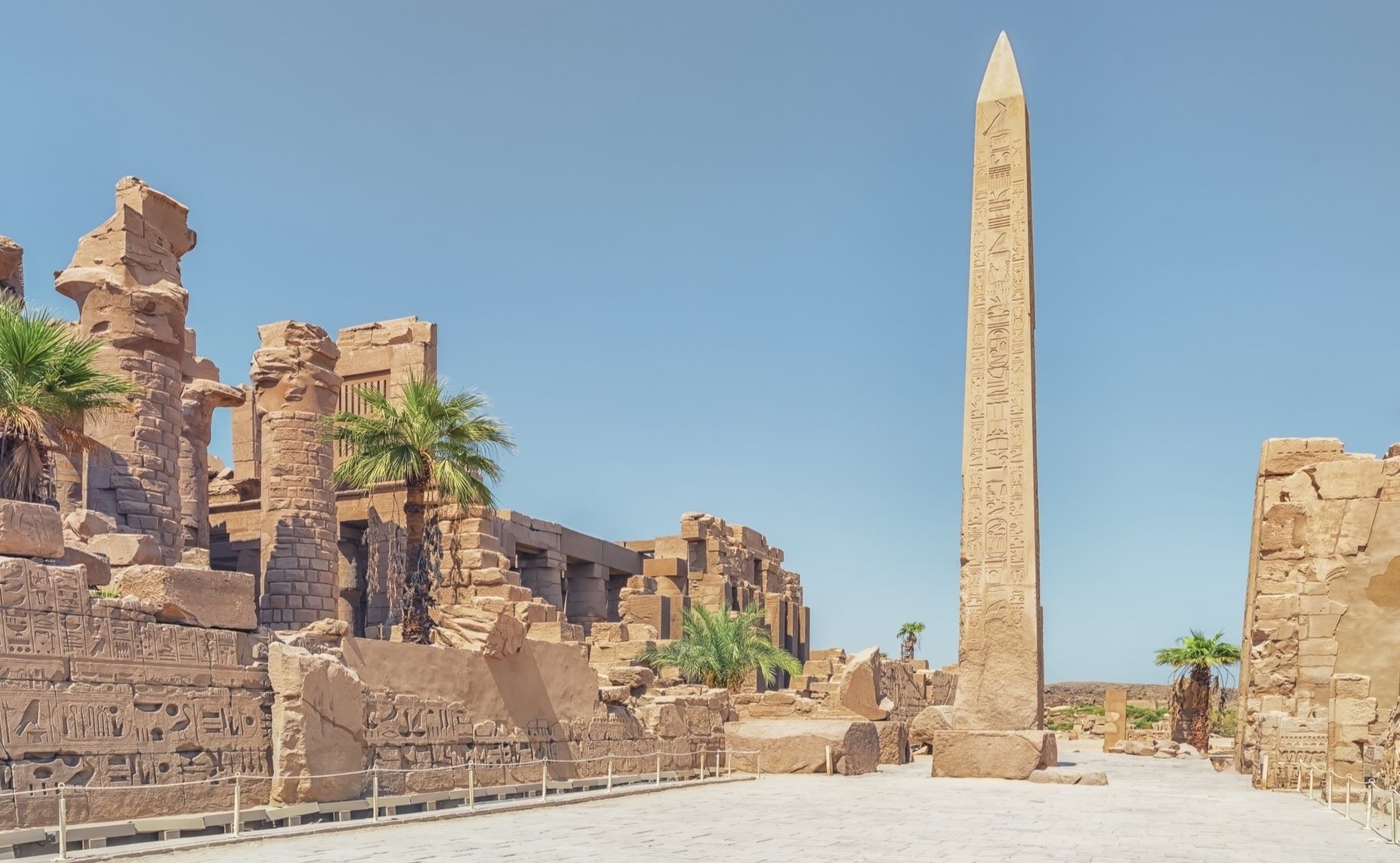
 The Great Temples Of Luxor And Karnak
Karnak and Luxor Temples
Explore the ceremonial heart of ancient Thebes.
Learning emphasis: solar symbolism, sacred architecture, inscriptions, and how civilizations used monuments to express cosmic order.
The Temple of Karnak
The Temple of Karnak was believed to be the spot where creation began. They also believed it was a point of interaction between the god Amun-Ra and Egyptians. It is important to Egypt’s cultural history because it was a place of worship and provides clues about the ancient Egyptian religion.
The Temple of Luxor
The Temple of Luxor has always been used as a place of worship, and evidence of various groups is present even today.
Construction began around 1400 BCE during the New Kingdom, with Amenhotep III starting the core of the temple and later additions by Tutankhamun, Horemheb, and Ramesses II.
The Luxor Temple served as a significant religious center, particularly for the Opet Festival, where the cult images of Amun, Mut, and Khonsu were taken from Karnak Temple to Luxor Temple.
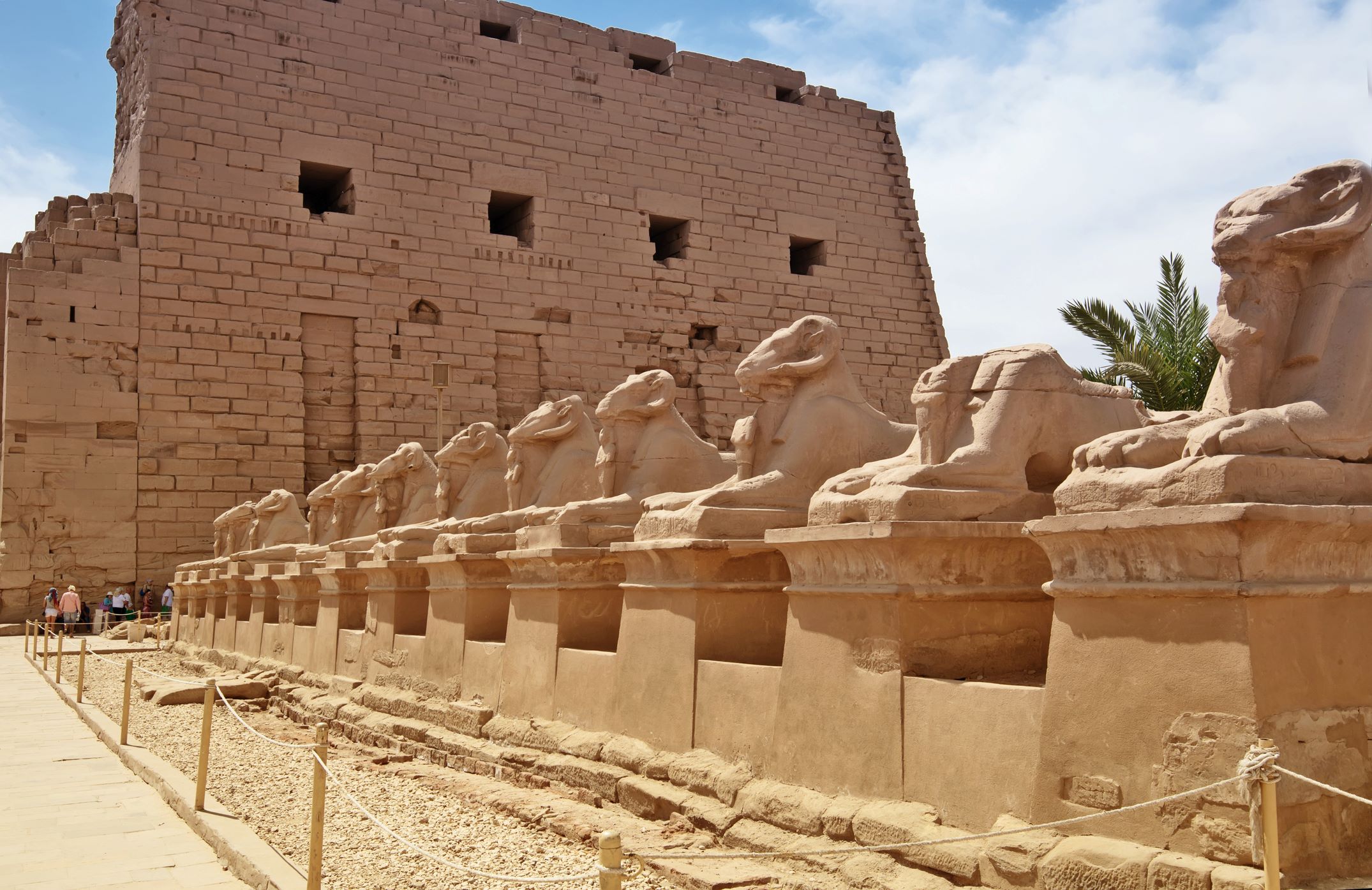 Karnak Temple
 Egypt (406)
 Where History Abounds
West Bank of Luxor
Visit the Valley of the Kings, Hatshepsut Temple, and selected sites on the West Bank.
Students compare landscape, belief, kingship, and the westward journey of the sun.
Valley of the Kings
The Valley of the Kings refers to where the bodies of the pharaohs were laid to rest in tombs cut deep into the rock. These tombs range in size from single chamber burials to massive complexes spanning several thousand square meters.
The Valley of the Workers Deir el-Medina, also known as the Valley of the Workers, was an ancient Egyptian workmen’s village.
Located on the west bank of the Nile River in Egypt, it was home to the artisans who worked on the tombs in the nearby Valley of the Kings during the New Kingdom period (1550-1070 BCE)2.
Pharaoh Hatshepsut’s temple is an engineering marvel and is important because it offers insight into her rule. Hatshepsut was largely written out of history, but the stories told on the colonnades in the temple shed a lot of light on the two decades of her reign.
 The Valley Of The Kings
 The Incredible Nile Brings Prosperity
 Hatshepsut Mortuary Temple In Luxor
Eclipse Day, 2 August 2027
Transfer early to the selected viewing site.
Observe the partial phases, totality, temperature and light changes, shadows, and the solar corona. After totality, students complete field notes and share first reflections.
Solar Eclipse
Reflection and Departure or Extension
Closing seminar, student presentations, and return travel to Cairo for onward flights, or continue with a Nile cruise or Red Sea extension.
View Of Cairo From The Citadel
Inclusions
- Pick up and return to your hotel in air-conditioned vehicles
- Return airfares from Cairo
- Breakfast and lunch
- A private guided tour
- ISO-compliant solar viewing glasses for all students
- Local Egyptologist and astronomy educator or guest lecturer where available.
- Dedicated eclipse-day operations plan covering transport, shade, hydration, medical support, and crowd management.
Exclusions
- Visa
- Tips
- Additional meals
Video
FAQ's
Q1. Are students grouped according to age?
Answer: Yes. To ensure the program is age-appropriate, supportive and engaging, students participate in one of two groups:
- High school students aged 14 to 17 years
- College and university students aged 18 to 23 years
Q2. Do students aged 14 to 17 years need to be accompanied by a teacher, parent or guardian?
Answer: Yes. As part of our duty of care, students aged 14 to 17 years must be accompanied by an adult nominated by the school or institution. In most cases, this is a teacher or school-appointed staff member who acts as the lead contact and supports the management of the student group throughout the program.
Q3. Do college and university students aged 18 to 23 years need to be accompanied by a teacher, parent or guardian?
Answer: No. College and university students are not required to be accompanied by a teacher, parent or guardian. However, One Horizon requires a nominated point of contact for the group to support communication, coordination and liaison throughout the program.
Q4. Where do students and accompanying staff stay during their program?
Answer: Students and accompanying staff stay in 4- to 5-star international hotel accommodation for the duration of the program. The first two days of the program are conducted at the hotel, providing a comfortable and well-supported environment for orientation, learning and preparation. Accommodation is arranged on a twin-share basis.
Q5. How are students transported to community visits and program activities?
Answer: Students are transported in private, air-conditioned vehicles operated by One Horizon. The facilitators delivering the program also accompany students during daily activities, providing continuity, guidance and supervision throughout the experience.
Q6. Can parents contact their child during the program?
Answer: Parent communication is managed in accordance with the policies of the participating school or institution. One Horizon also provides 24-hour contact details, including mobile numbers and email addresses, so students can be reached if required. Internet connectivity is available at program venues and in the vehicles used to transport students and staff.
Q7. What meals are provided during the five-day program?
Answer: One Horizon caters for a wide range of dietary requirements, including vegetarian, vegan and familiar Western-style meal options. Meals are prepared with fresh, healthy ingredients and are provided through the hotel where students and staff are staying. Evening meals also include selected well-regarded Nairobi restaurants, giving students an additional opportunity to experience the city in a safe and structured way.
Q8. Is travel and health insurance required?
Answer: Yes. Appropriate travel and health insurance is required for student participation in the program. Schools, institutions, parents and guardians should ensure that each participant has suitable coverage before travel.
Q9. Does One Horizon have public liability and professional indemnity insurance?
Answer: Yes. One Horizon maintains insurance coverage that includes public liability and professional indemnity insurance. Copies of relevant policy documentation can be provided upon request.
Q10. What distinguishes One Horizon and this experience?
Answer: Our purpose-led approach and on the ground experience, gives students meaningful insight into community development, resilience and sustainable change. One Horizon’s mission and work are captured in the video ‘What We Do’.


 One Horizon Egypt
 @onehorizonkenya
 onehorizonkenya