Educational - Egypt: Living Classroom on the Nile
Where ancient innovation, global history, and student inquiry meet.
Overview
Designed for educators, school leaders, and students, this eight-day educational journey uses Egypt as a living classroom for exploring one of the world’s most influential civilizations. Beginning in Cairo, participants encounter the Giza Plateau, Memphis, Saqqara, Historic Cairo, and the National Museum of Egyptian Civilization before continuing south on a Nile cruise through Aswan, Abu Simbel, Kom Ombo, Karnak, Luxor, and the West Bank.
The program moves beyond sightseeing by turning each site into a platform for inquiry. Students examine how ancient Egyptians organized knowledge, labor, belief, and environment to build systems that endured for millennia. Pyramid construction, temple design, hieroglyphic writing, calendar development, medicine, irrigation, governance, and artistic expression become entry points for discussion across history, social studies, science, mathematics, geography, literature, and the arts.
By moving from museum collections and archaeological landscapes to temples, tombs, river communities, and sacred spaces, participants develop a chronological and interdisciplinary understanding of Egypt’s legacy. The journey supports inquiry-based learning, encourages respectful cultural engagement, and helps students connect ancient problem-solving with enduring questions about innovation, leadership, cultural memory, and the preservation of heritage.
Program Objectives
- Connect Egypt’s major archaeological and cultural sites to key periods of ancient history, from the Old Kingdom through the New Kingdom and beyond.
- Explore how geography, especially the Nile River, shaped settlement, agriculture, trade, transportation, belief systems, and political organization.
- Highlight ancient Egypt’s contributions to engineering, architecture, mathematics, astronomy, medicine, writing, administration, and visual culture.
- Encourage student inquiry through observation, evidence-based discussion, comparison, journaling, and reflection at museums, temples, tombs, and historic neighborhoods.
- Support educators with interdisciplinary connections to world history, social studies, geography, STEM, English language arts, visual arts, and global citizenship.
Learning Outcomes
- Students will explain why ancient Egypt remains central to the study of world civilization, early complex societies, and human achievement.
- Students will use site observations and guided discussion to describe how environment, belief, technology, labor, and leadership shaped Egyptian society.
- Participants will compare ancient Egyptian achievements with modern questions about planning, engineering, public administration, cultural memory, and heritage preservation.
- Educators will gain place-based examples, discussion prompts, and interdisciplinary connections that can be adapted for pre-travel preparation, on-site learning, and post-travel assessment.
- Students will reflect on legacy by considering how ideas, technologies, artistic forms, sacred traditions, and cultural values can endure across time.
Gallery
-
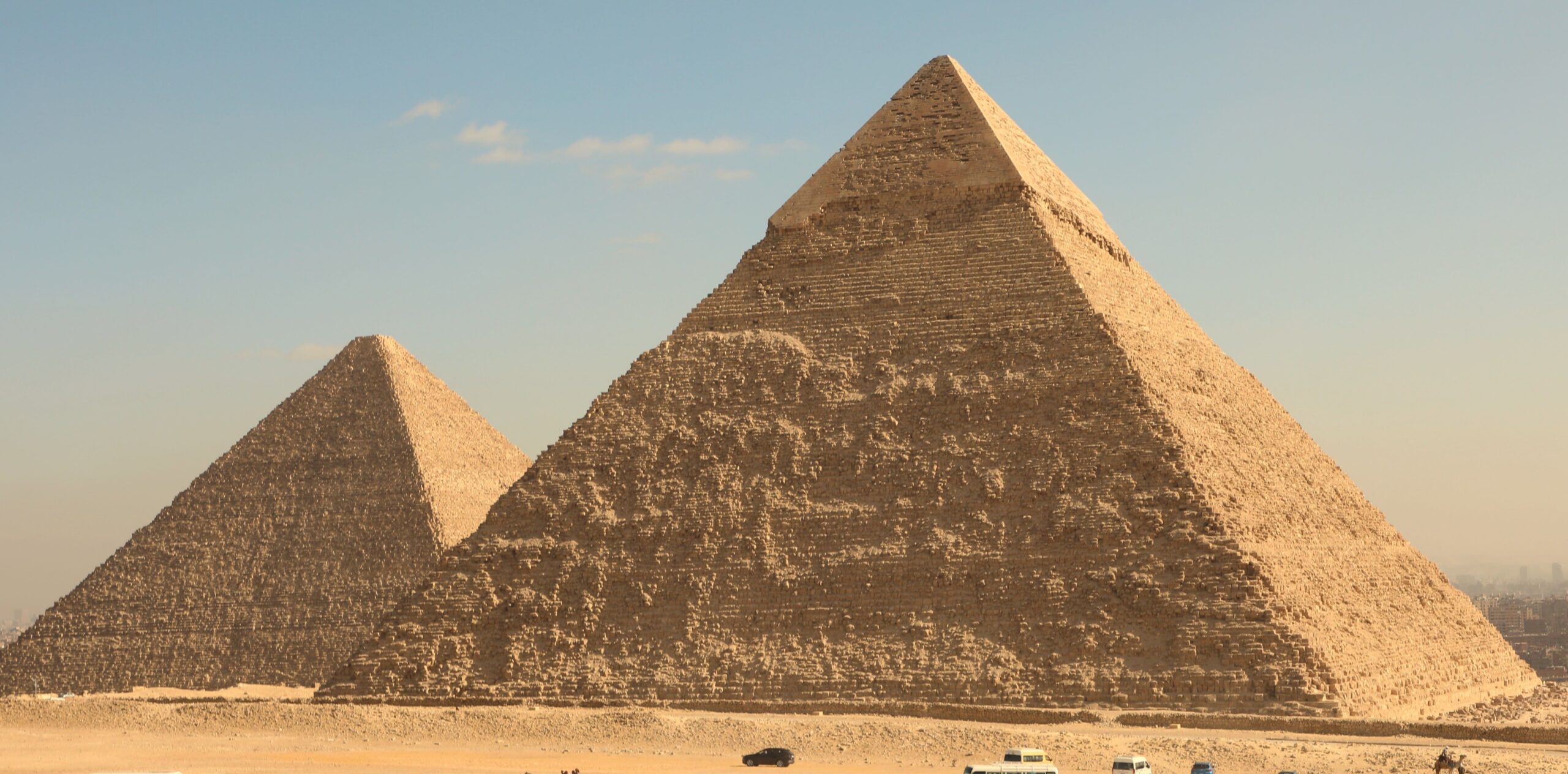
The Giza Pyramids
-

Saqqara Is Still Revealing Its Secrets
-
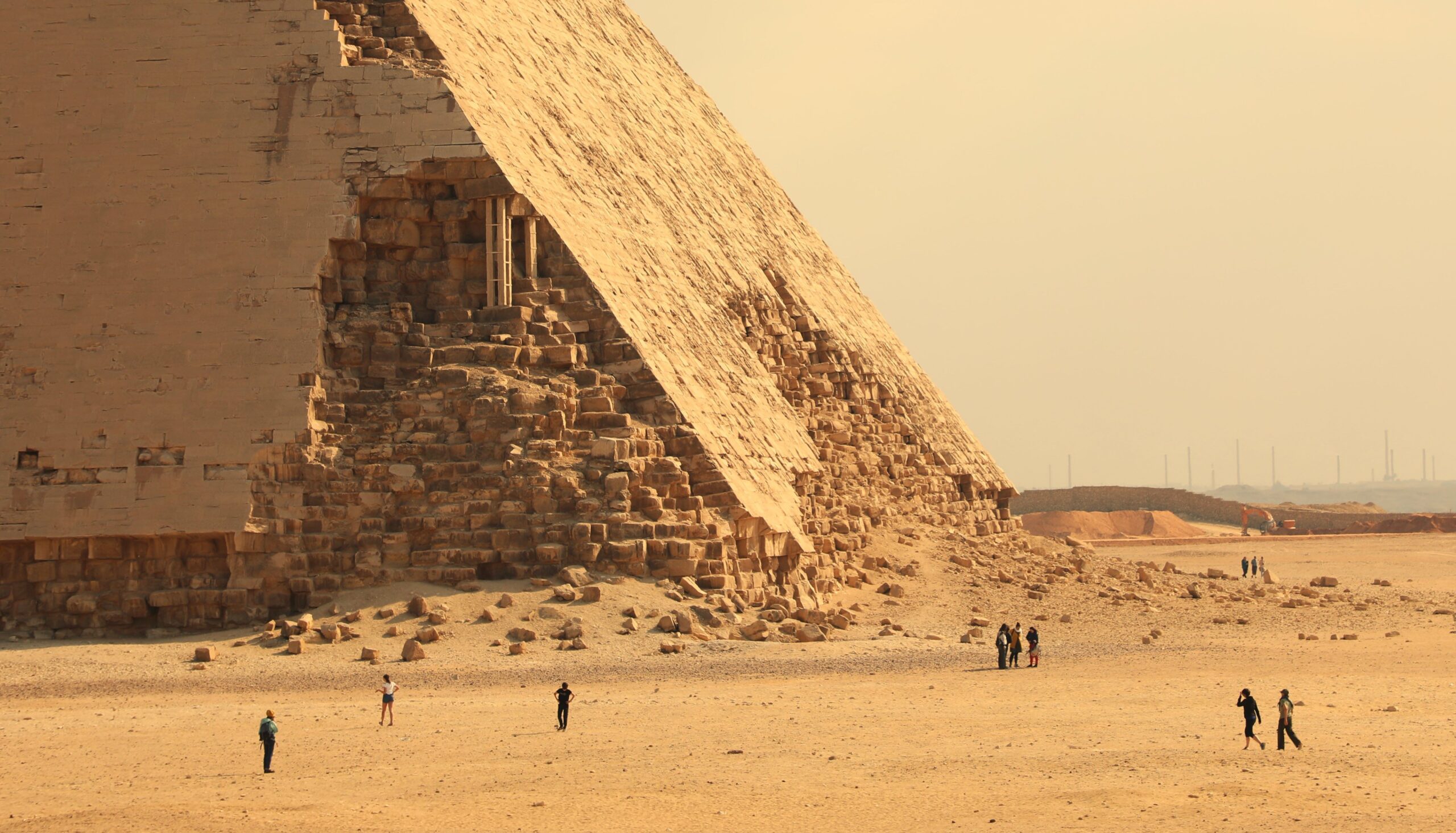
The Bent Pyramid At Dhashur
-
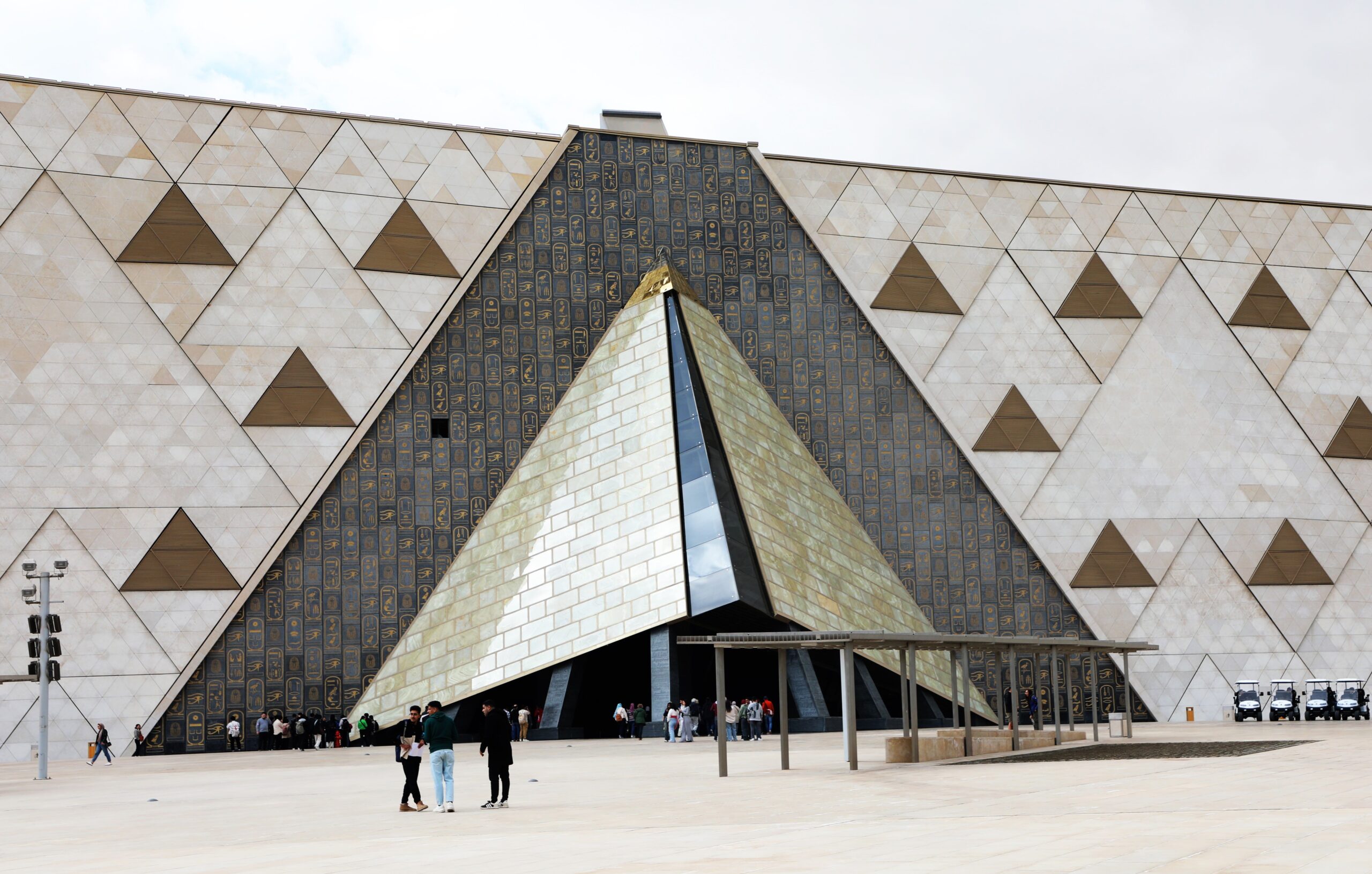
The Grand Egyptian Museum
-

The GEM Is The Largest Museum In The World
-
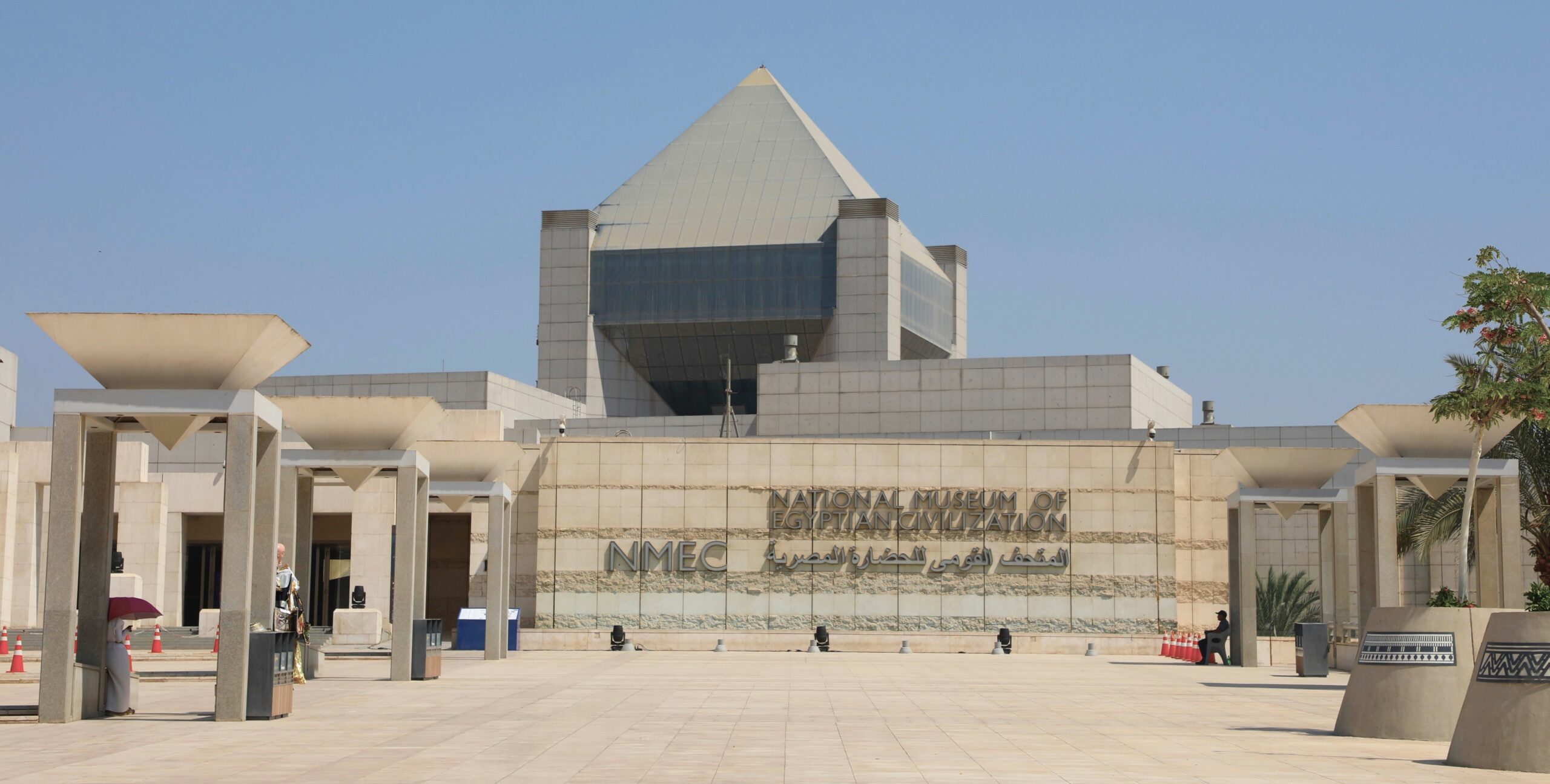
The National Museum Of Egyptian Civilization
-

Cruising The Nile In Luxury
-
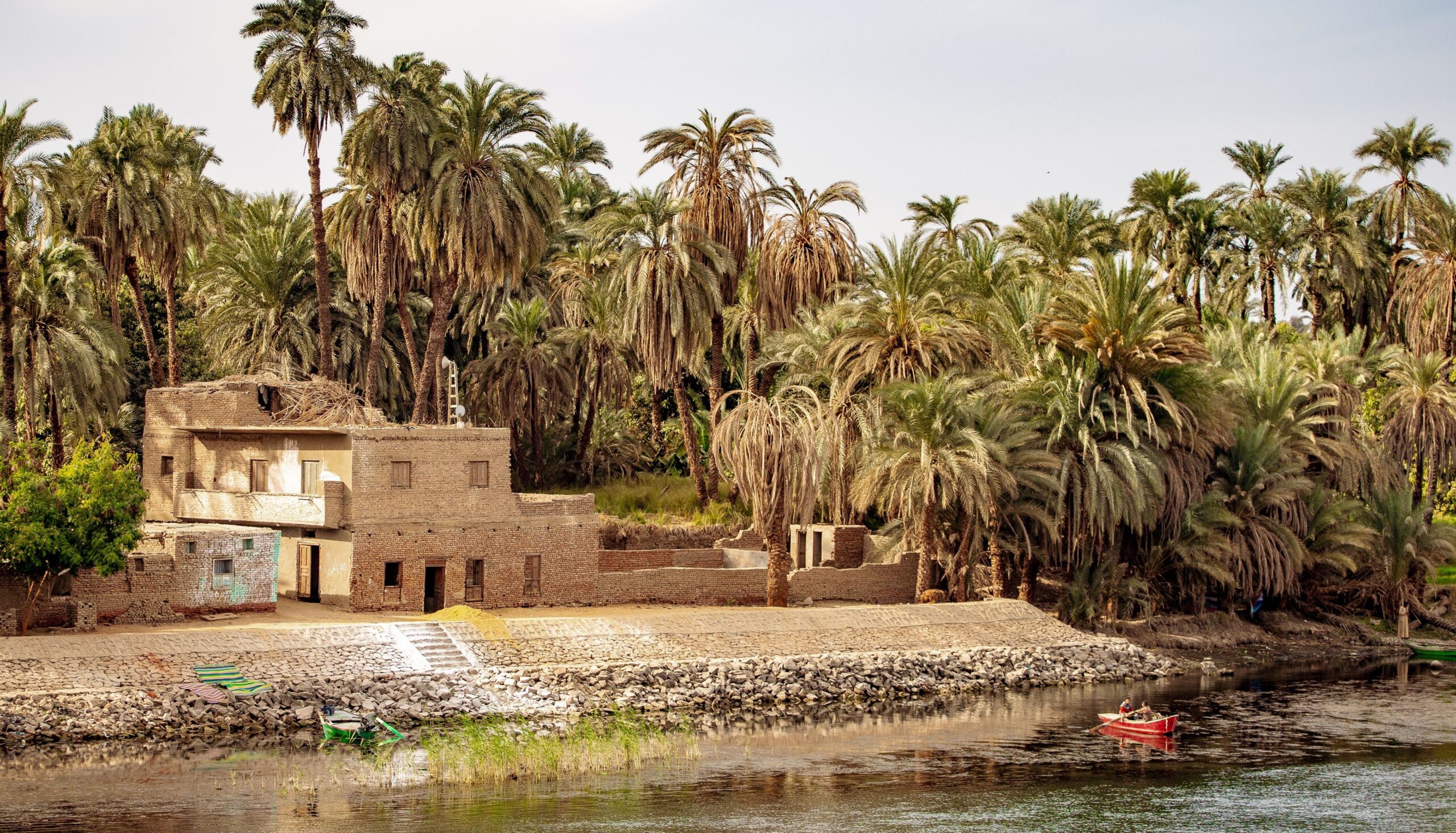
Egyptian Village In The Nile Delta
-
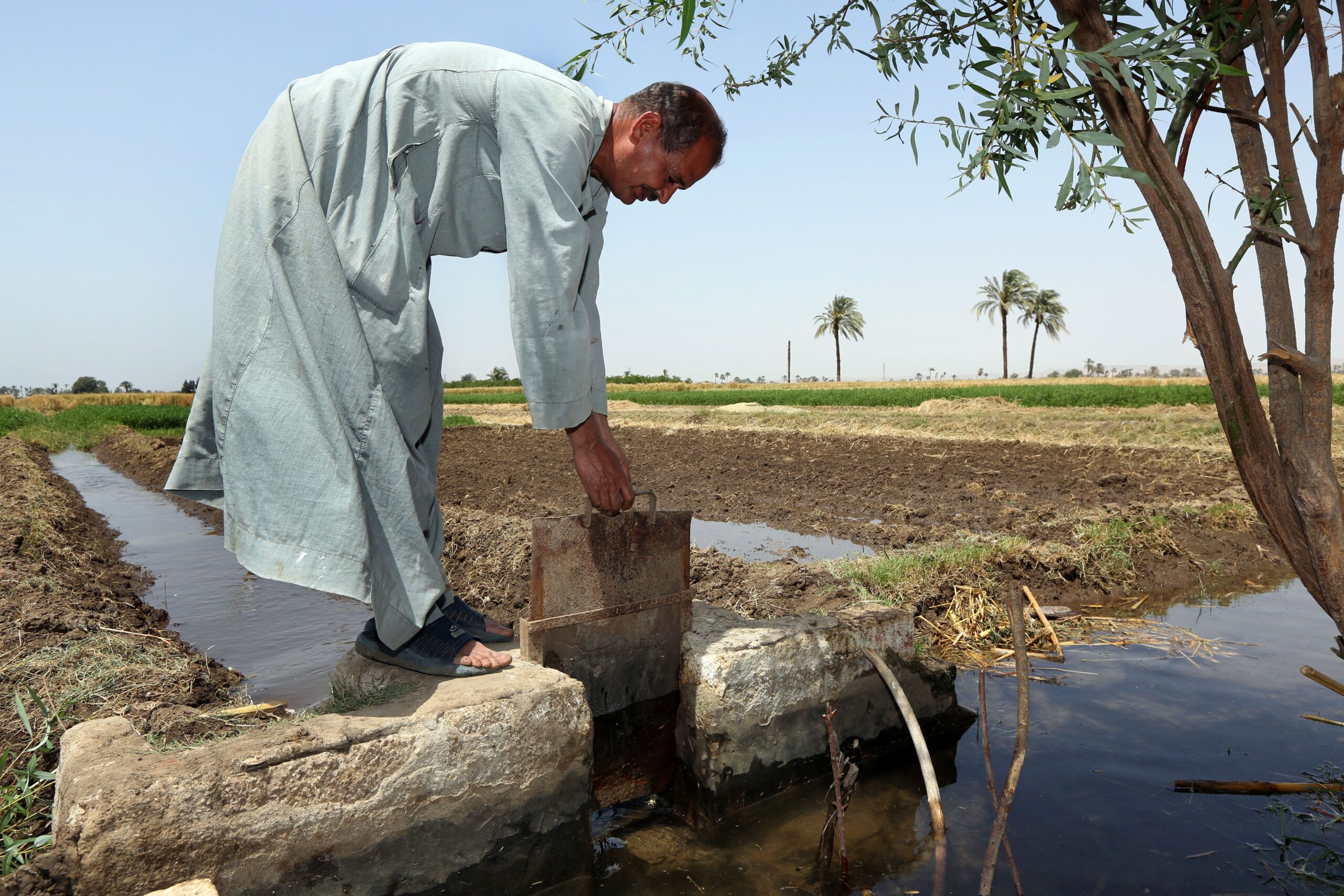
The Nile Provides Water For Irrigation

Ancient Egyptian Research Association
One Horizon Africa is a member of AERA. AERA brings together archaeologists and specialists from around the world to address questions regarding the origin, nature, and development of the Egyptian state. By becoming a member of AERA you support the training of young Egyptian archaeologists and the survey, mapping, excavation, and the analysis of archaeological sites. We encourage everyone to become a member and support the work of AERA. For additional information please click the button below.
Itinerary
Why This Program Is Chosen by Schools
Egypt’s sites allow students to move from textbook knowledge to direct observation, helping them ask better questions about evidence, interpretation, technology, belief, leadership, and cultural continuity.
- Curriculum alignment: Supports world history, social studies, geography, STEM, English language arts, visual arts, and global studies units commonly taught in U.S. classrooms.
- Inquiry-based learning: Gives students opportunities to observe, gather evidence, question, interpret, discuss, and reflect at each major site.
- Interdisciplinary value: Uses pyramids, temples, tombs, museums, and the Nile to connect history with engineering, mathematics, art, religion, environmental studies, and civic life.
- Student engagement: Provides memorable anchors for classroom learning before and after travel, including Giza, Abu Simbel, Karnak, Luxor, and the Valley of the Kings.
- Global citizenship: Encourages respectful cultural engagement and helps students understand why heritage preservation matters in a connected world.
Welcome to Cairo — Orientation and Arrival
On arrival in Cairo, your local representative will assist the group through airport formalities and provide a smooth welcome to Egypt.
Transfer, Settling In, and Trip Briefing
Transfer to the hotel with support from your representative. After check-in, students and educators have time to rest, adjust, and prepare for the first full day of site-based learning.
Depending on arrival times into Cairo, an option is to undertake a visit to the newly opened Grand Egyptian Museum which houses the entire Tutankhamen collection.
 View Of Cairo From The Citadel
 The GEM Exhibits Over 5000 Artefacts
Engineering Eternity — Giza, Memphis, and Saqqara
Beginning at the Giza Plateau, where the pyramids invite students to consider engineering, leadership, labor organization, belief, and the relationship between architecture and power.
The pyramids of Khufu, Khafre, and Menkaure have stood for more than 4,500 years. Their scale and precision provide a powerful platform for discussing mathematics, materials, logistics, social hierarchy, and the accumulated knowledge that developed from earlier pyramid-building experiments under Sneferu.
At the Great Sphinx, students examine how monuments communicate authority and mystery, and how historians use evidence, interpretation, and unanswered questions to build understanding of the past.
Continue to Memphis, once a capital of ancient Egypt and an important center of political and religious life. Although much of the ancient city has disappeared, surviving statues and remains help students consider how capitals rise, change, and leave traces in the archaeological record.
Saqqara: One of Egypt’s most important archaeological landscapes, Saqqara continues to reveal new evidence about burial practices, belief, administration, and architectural experimentation.
At Saqqara, the Step Pyramid of Djoser introduces the evolution of monumental stone architecture. Students can trace how experimentation, design, and centralized planning helped transform burial practices and architectural possibility.
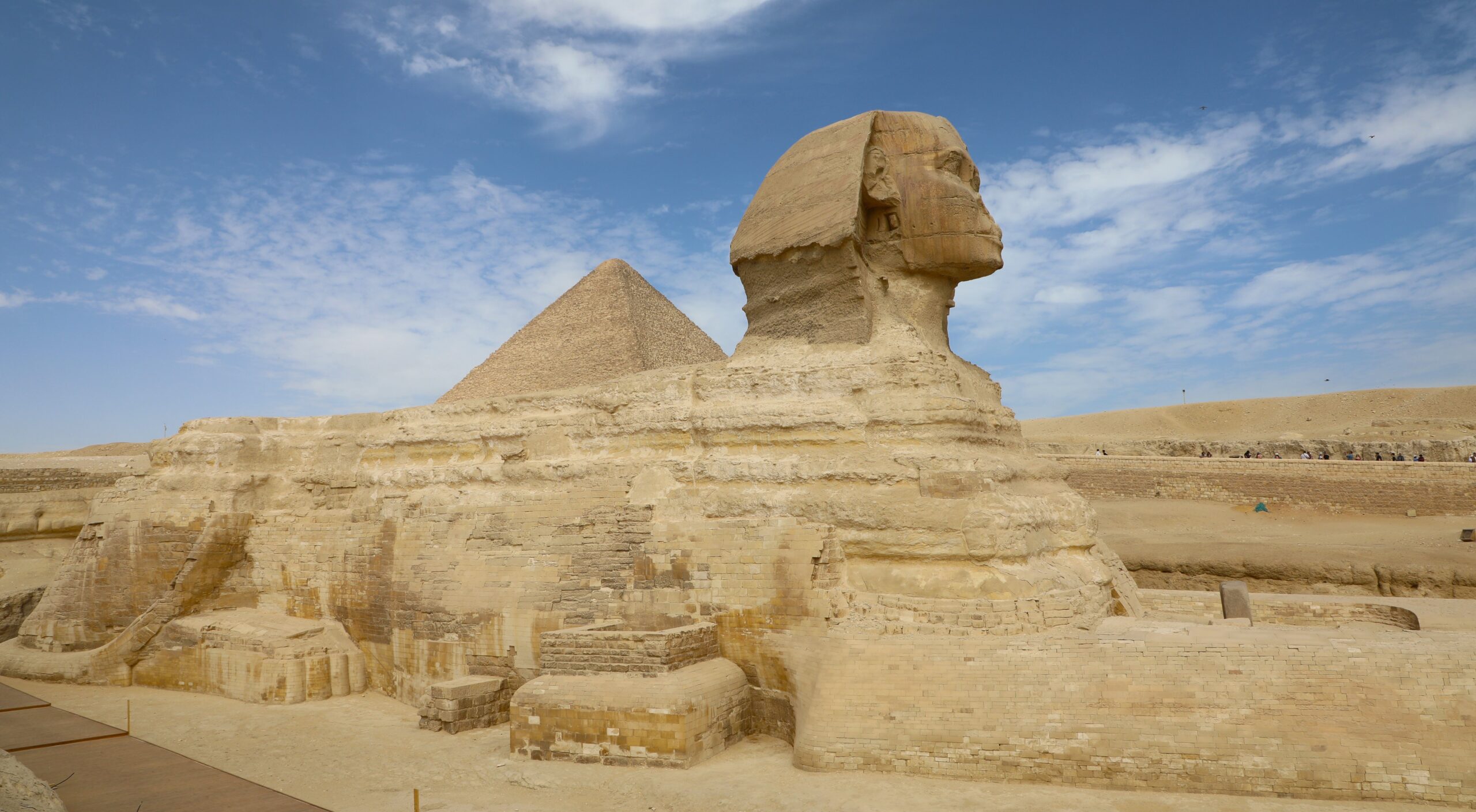
The Giza Pyramids
 The Iconic Sphinx
 The Stepped Pyramid Was The First Stone Pyramid
 Discovered Tombs In Saqqara
Egypt Through Time — Museums, Faith, and Historic Cairo
Today’s program broadens the story from pharaohs and pyramids to the long arc of Egyptian civilization. Museum galleries and historic neighborhoods help students compare material culture, belief, identity, and continuity across time.
NMEC presents Egyptian innovation across mathematics, engineering, astronomy, writing, medicine, craftsmanship, and social organization, making it an ideal setting for interdisciplinary learning.
A world-class museum dedicated to Egyptian history
Since opening, NMEC has become a major museum for understanding Egyptian history from prehistoric times to the present. Its galleries explore themes including the Nile, writing, state and society, material culture, beliefs, and royal mummies, giving students a structured way to connect artifacts with larger historical questions.
Old Cairo
Historic Cairo introduces students to the city’s layered religious, architectural, and civic heritage. The area includes Coptic Cairo and Islamic-era neighborhoods and is part of a UNESCO World Heritage landscape.
The visit offers opportunities to discuss urban development, sacred architecture, cultural exchange, and the ways communities preserve identity in a city shaped by many centuries of change.
The Muhammad Ali Mosque: With its prominent silhouette and twin minarets, this landmark introduces students to Ottoman-era architecture, urban visibility, and the continuing role of religious spaces in Cairo’s civic identity.
Coptic Cairo
Coptic Cairo provides a meaningful setting for examining early Christian heritage in Egypt, sacred tradition, and the relationship between memory, pilgrimage, and place.
The area includes the partly preserved Babylon Fortress, where remaining walls, towers, and gates allow students to connect the built environment with conquest, defense, and urban continuity.
Key sites may include the Hanging Church, the Greek Orthodox Church of St. George, the Church of Saints Sergius and Bacchus, and the Church of Santa Barbara, each offering insight into religious history, architecture, and community life.
Traditions associated with the Holy Family’s flight into Egypt add another layer for discussing sacred geography, memory, and the ways communities connect faith narratives to place.
The National Museum Of Egyptian Civilization
 A Futuristic Entrance To Ancient Egypt
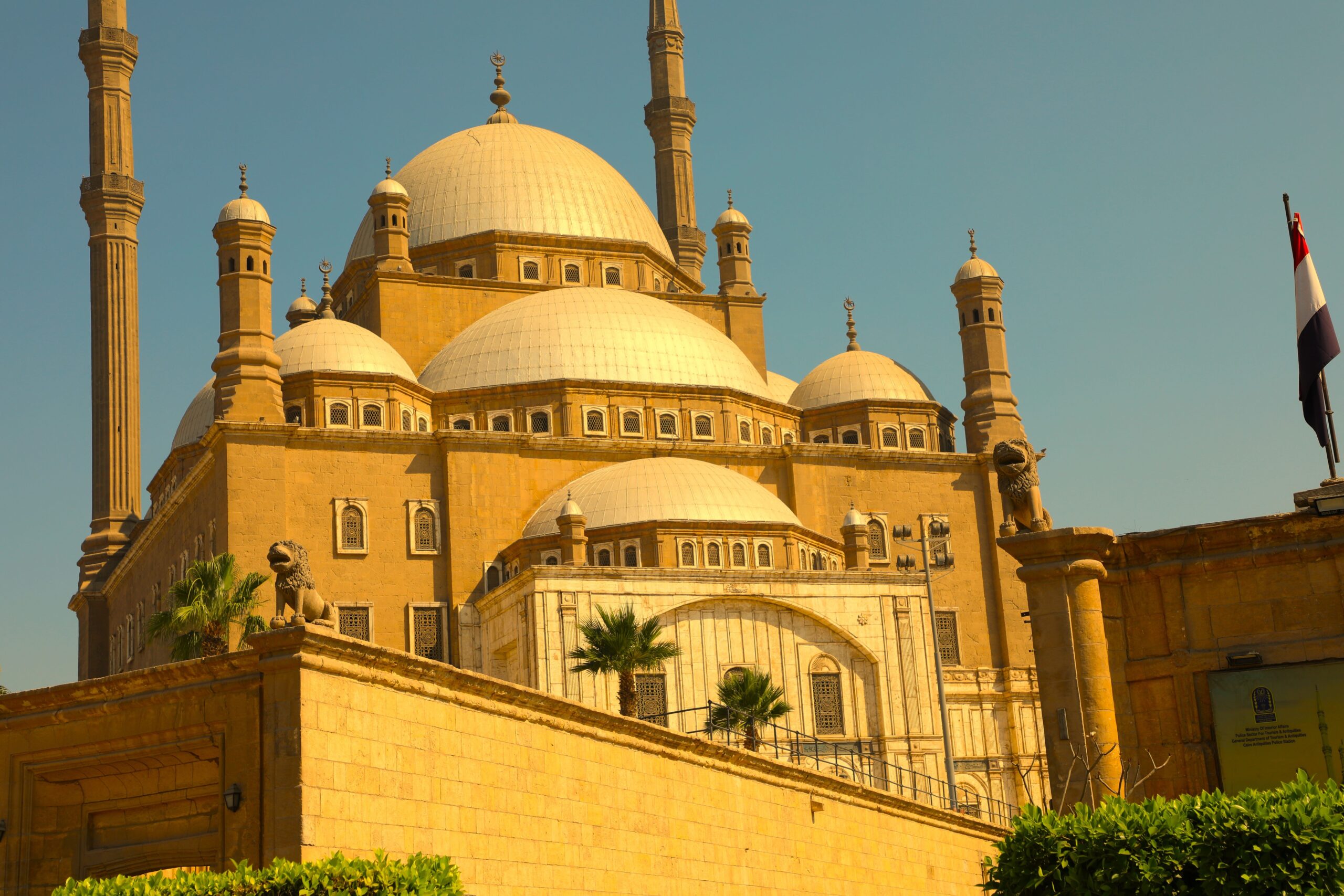 The Muhammad Ali Mosque
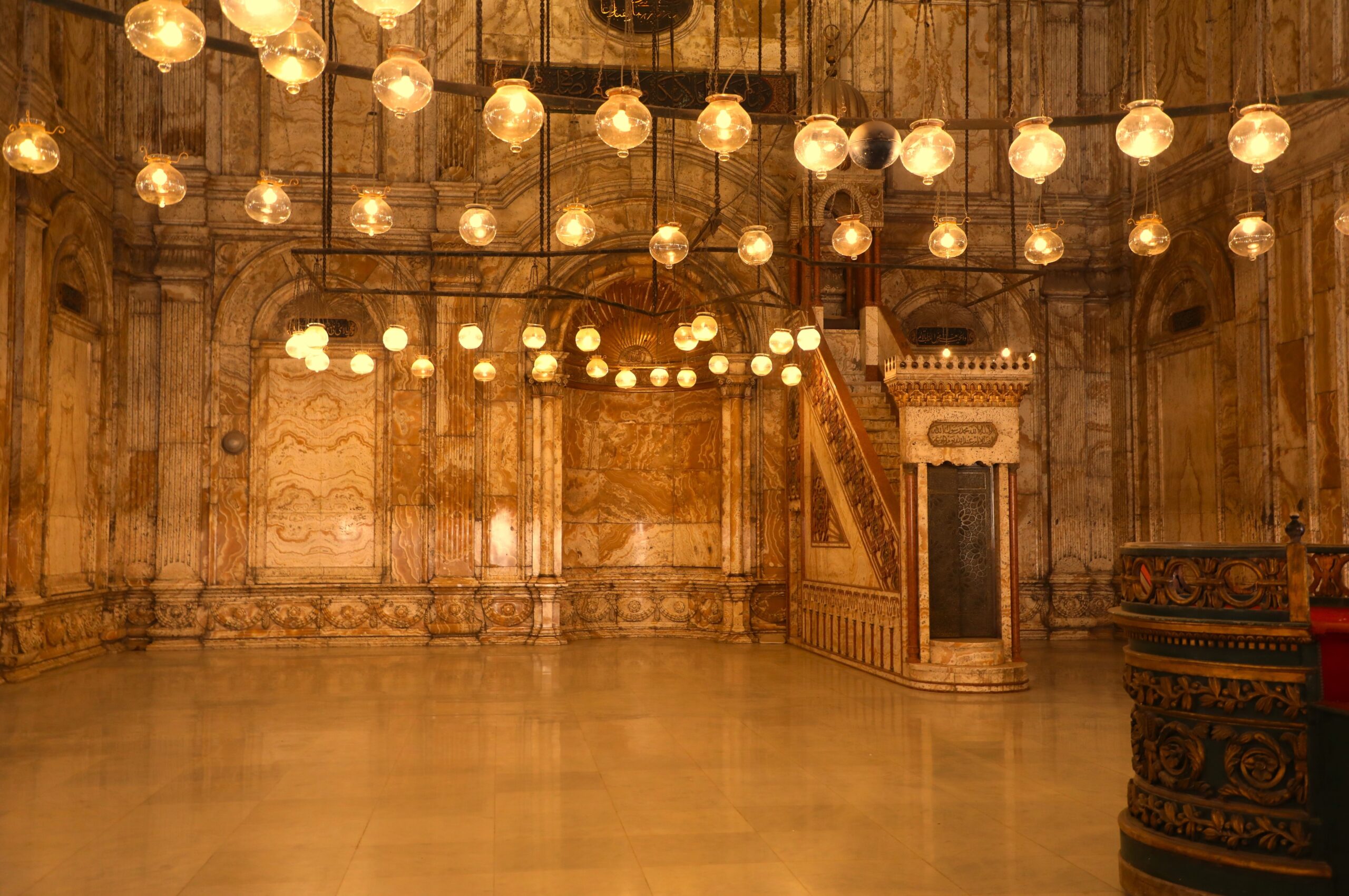 An Active Place Of Worship
 The Hanging Church
 A Sacred Place To Christians
From Cairo to Aswan — The Nile as Lifeline
Aswan Dam and Elephantine Island: Fly to Aswan and begin exploring the Nile’s role in shaping settlement, agriculture, trade, engineering, and modern development. A felucca sail offers students a slower, river-level perspective before visiting the Philae temple complex.
Philae Temple Complex: Associated with the worship of Isis, Philae invites discussion of mythology, sacred landscapes, temple relocation, and the international effort to preserve cultural heritage.
Cruising The Nile In Luxury
 Elephantine Island
Abu Simbel and Kom Ombo — Power, Preservation, and Duality
Abu Simbel: Built under Ramses II, Abu Simbel gives students a dramatic example of royal image-making, solar alignment, and modern heritage preservation after the temples were relocated during the Aswan High Dam project.
Temple of Kom Ombo: Set beside the Nile, Kom Ombo is distinctive as a double temple dedicated to Sobek and Horus. The visit supports discussion of duality, medicine, mythology, and the ways temples functioned as religious, scientific, and social spaces. Overnight aboard the cruise vessel.
Cruising The Nile In Luxury
 The Temple At Abu Simbel
Luxor East Bank — Sacred Architecture at Monumental Scale
The Great Temples of Karnak and Luxor: Explore Luxor’s East Bank, where temple avenues, pylons, obelisks, sanctuaries, and colossal columns reveal how religion, politics, astronomy, procession, and public space came together in ancient Thebes.
Overnight aboard the cruise vessel for the final night.
Cruising The Nile In Luxury
 The Great Temples Of Luxor And Karnak
Luxor West Bank — Tombs, Artisans, and Royal Memory
Where belief, craftsmanship, and legacy meet
The Valley of the Kings: Explore the royal necropolis where rock-cut tombs were created for New Kingdom pharaohs. Nearby, the Valley of the Workers helps students understand the skilled artisans, planners, and communities whose labor made these extraordinary burial places possible.
The Temple of Hatshepsut: Queen Hatshepsut’s mortuary temple provides a compelling case study in leadership, representation, gender, architecture, and the ways rulers shaped public memory.
 The Valley Of The Kings
 Hatshepsut Mortuary Temple In Luxor
Reflection, Departure, and Last Impressions
Breakfast, Checkout, and Departure: After breakfast, check out of the hotel. Depending on flight schedules, the group may have time to relax, reflect on the journey, or visit Khan El Khalili Bazaar for a final experience of Cairo’s markets, crafts, and street life before departure
 Perhaps The Khan For Shopping
Inclusions
- 4 x nights’ accommodation at Hotel Cairo with daily breakfast
- 3 x nights’ accommodation at 5 Star Nile Cruise with daily full board meals
- BLD each day
- Return domestic flights Cairo /Aswan –Luxor /Cairo
- 2 x full day tours of Cairo (as determined on the itinerary)
- Over day Abu Simple Temple excursion
- All ground transfers in Cairo, Luxor and Aswan as per itinerary in private modern A/C coach
- All entrance fees, service charge, current taxes, and vat. A meet and assist by our local representative.
- Services of English-speaking guide
Exclusions
- International Airfare
- Visa Fees
- Optional tours
- Personal expenditure of any kind
- Tips
- Drinks, extra meals
videos
We would like to acknowledge National Geographic for this video which is publicly available on You Tube.
FAQ's
Q1. Are students grouped according to age?
Answer: Yes. To ensure the program is age-appropriate, supportive and engaging, students participate in one of two groups:
- High school students aged 14 to 17 years
- College and university students aged 18 to 23 years
Q2. Do students aged 14 to 17 years need to be accompanied by a teacher, parent or guardian?
Answer: Yes. As part of our duty of care, students aged 14 to 17 years must be accompanied by an adult nominated by the school or institution. In most cases, this is a teacher or school-appointed staff member who acts as the lead contact and supports the management of the student group throughout the program.
Q3. Do college and university students aged 18 to 23 years need to be accompanied by a teacher, parent or guardian?
Answer: No. College and university students are not required to be accompanied by a teacher, parent or guardian. However, One Horizon requires a nominated point of contact for the group to support communication, coordination and liaison throughout the program.
Q4. Where do students and accompanying staff stay during their program?
Answer: Students and accompanying staff stay in 4- to 5-star international hotel accommodation for the duration of the program. The first two days of the program are conducted at the hotel, providing a comfortable and well-supported environment for orientation, learning and preparation. Accommodation is arranged on a twin-share basis.
Q5. How are students transported to community visits and program activities?
Answer: Students are transported in private, air-conditioned vehicles operated by One Horizon. The facilitators delivering the program also accompany students during daily activities, providing continuity, guidance and supervision throughout the experience.
Q6. Can parents contact their child during the program?
Answer: Parent communication is managed in accordance with the policies of the participating school or institution. One Horizon also provides 24-hour contact details, including mobile numbers and email addresses, so students can be reached if required. Internet connectivity is available at program venues and in the vehicles used to transport students and staff.
Q7. What meals are provided during the five-day program?
Answer: One Horizon caters for a wide range of dietary requirements, including vegetarian, vegan and familiar Western-style meal options. Meals are prepared with fresh, healthy ingredients and are provided through the hotel where students and staff are staying. Evening meals also include selected well-regarded Nairobi restaurants, giving students an additional opportunity to experience the city in a safe and structured way.
Q8. Is travel and health insurance required?
Answer: Yes. Appropriate travel and health insurance is required for student participation in the program. Schools, institutions, parents and guardians should ensure that each participant has suitable coverage before travel.
Q9. Does One Horizon have public liability and professional indemnity insurance?
Answer: Yes. One Horizon maintains insurance coverage that includes public liability and professional indemnity insurance. Copies of relevant policy documentation can be provided upon request.
Q10. What distinguishes One Horizon and this experience?
Answer: Our purpose-led approach and on the ground experience, gives students meaningful insight into community development, resilience and sustainable change. One Horizon’s mission and work are captured in the video ‘What We Do’.


 One Horizon Egypt
 @onehorizonkenya
 onehorizonkenya